
How to disassemble a Beko washing machine?
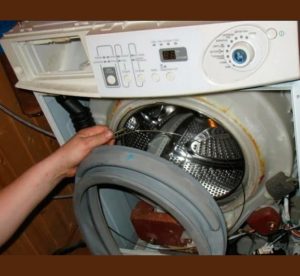 The vast majority of modern washing machines are repairable, significantly extending their lifespan. However, it's not that simple: to repair the machine, it must be properly disassembled without damaging any serviceable parts or sensors. With Beko, the task is complicated by the fact that this manufacturer's models have several design differences. Let's look at how to disassemble a Beko washing machine yourself and what you'll need.
Preliminary stage
To ensure that disassembling your washing machine yourself is as easy as possible and doesn't involve any surprises, you need to start with preparation. First, disconnect the Beko from the power supply: first, unplug the power cord from the outlet, then turn off the water supply, and disconnect the drain hose from the drain. Then, move the machine to the center of the room, ensuring easy access to both the front and back walls.
Next, we collect the tools:
- screwdrivers (slotted and Phillips);
- set of wrenches;
- pliers;
- screwdriver;
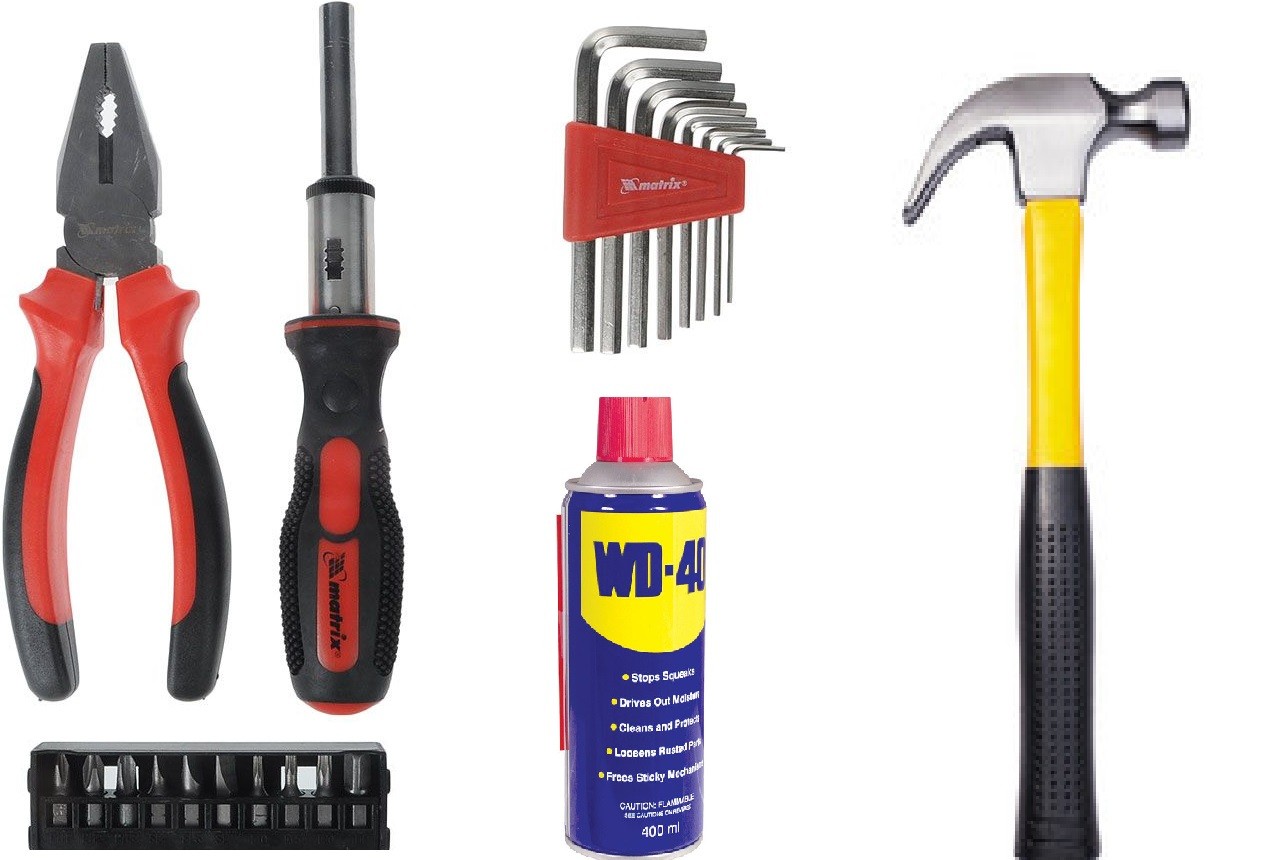
- set of different sized heads;
- WD-40 lubricant;
- gloves;
- puller (for removing bearings).
Before disassembling the machine, it is necessary to study the factory instructions and the electrical diagram of the unit.
If everything is ready, you can start disassembling. The amount of work ahead is significant, so stock up on patience, time, and an assistant.
Description of the progress of work
The extent of disassembly of the washing machine depends on the problem. If the drive belt or inlet valve needs to be replaced, 10-20 minutes will be enough. Repairing the bearing assembly requires removing almost all major components of the machine, which will take at least 40 minutes. However, the procedure remains the same.
Before starting disassembly, make sure that the washing machine is disconnected from the power supply and water supply!
The instructions are as follows:
- we disconnect the hatch door (we unscrew the two bolts on the hinges, lift it up and remove it from the rod);
- we unfasten the door of the technical hatch;
- loosen the outer clamp of the cuff and insert the elastic into the drum;
- unscrew all the bolts located around the perimeter of the front panel;
- bend the front panel by 2-3 cm, and through the freed gap disconnect the wiring from the UBL;
- we remove the “end” completely;
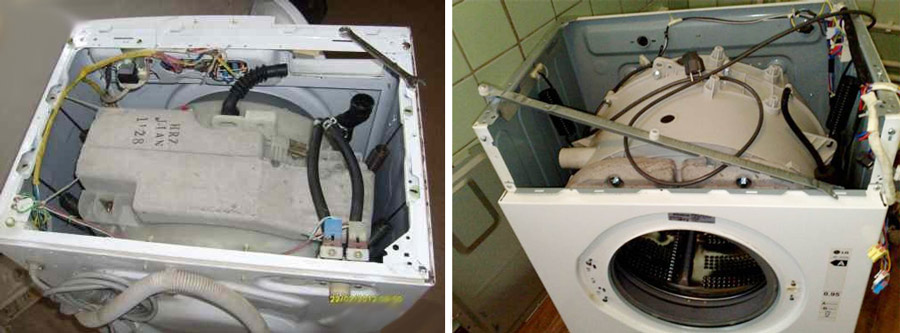
- unscrew the retaining bolts from the rear panel;
- remove the drive belt from the pulley;
- unscrew the screw that secures the pulley wheel (you need to insert a screwdriver between the blades to prevent the wrench from turning);
- we release the wires connected to the drum;
- we pull out the water supply hose attached to the tank;
- Using pliers, remove the metal brackets inserted around the perimeter of the tank;
- We pull the front half of the tank towards ourselves.
On Beko washing machines, the heating element is removed along with the drum – be careful not to damage the heating element during disassembly!
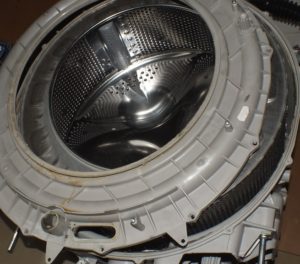
Next up is the drum. We go around to the back of the washing machine, place the blunt end of a chisel in the center of the crosspiece, and hammer it in. Once the retaining bolt has fallen through, insert the screw and release the tank.
Next, we knock out the bearings. Insert a metal rod into the hole cleared by the crosspiece and tap it with a hammer until the seal and bearings release. If the parts are heavily stuck, the area is treated with lubricant. WD-40.
Experienced technicians advise taking your time and recording the disassembly process on the camera, especially when disconnecting wires. This will help avoid confusion and prevent mistakes during reassembly. The Beko machine is reassembled in a similar manner, only in reverse order. The mounting surface for each component is cleaned beforehand, as are the components themselves.
Interesting:

Readers' comments
Headings
Washing machine repair




For buyers




For users


Dishwasher




Add a comment