
How to disassemble an Indesit top-loading washing machine?
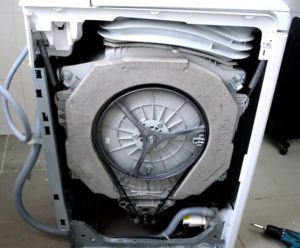 Any repair or diagnostic requires first disassembling the Indesit top-loading washing machine, and only then checking for any theories or assumptions. To avoid breaking latches or unscrewing unnecessary parts, it's essential to thoroughly understand the machine's design and prepare thoroughly. We suggest you don't just feel around the machine, but rather confidently approach the disassembly process.
Let's prepare without haste
Any task requires preparation, and disassembling a washing machine is no exception. To avoid a flood or worsening the breakdown, it's important to plan ahead. First of all, we ensure free access to the machine by disconnecting it from the utilities and moving it as far away from the wall as possible. Ideally, it's best to move the equipment to a garage or workshop, but 2 square meters of kitchen or hallway space will suffice. Next, gather the necessary tools for the repair:
- screwdrivers (positive and negative);
- set of open-end wrenches;
- set of socket heads;
- pliers;
- cleaner such as WD-40.
It is recommended to record each action with a camera to facilitate the reassembly process.
You'll definitely need a large container, such as a basin, as well as dry rags or paper. A camera is also helpful, as it's recommended to record the wiring layout to ensure proper reconnection.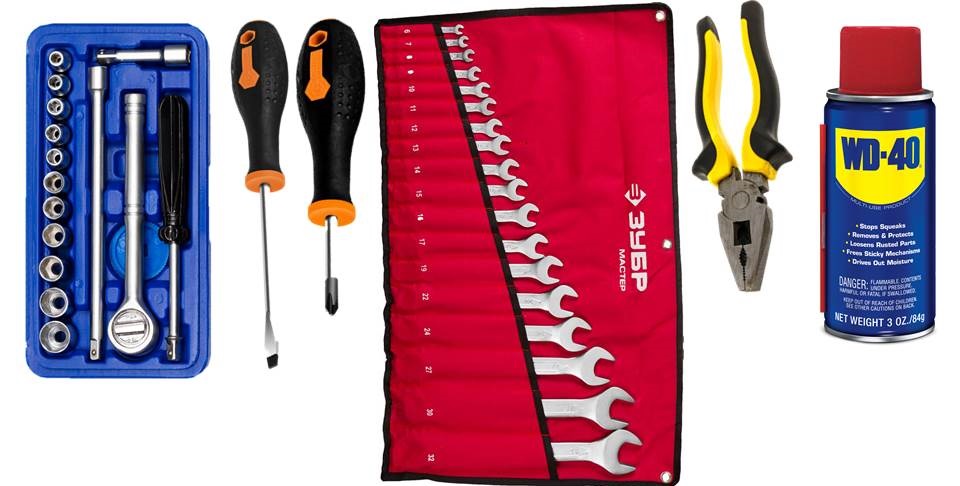
The main things you'll need to disassemble Indesit vertical ovens are experience, free time, desire, patience, and precision. If even one item is missing, it's best not to tempt fate and immediately contact a service center for assistance.
Machine disassembly process
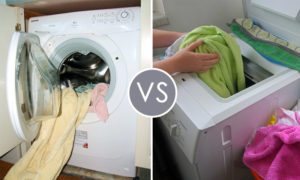
Top-loading washing machines are very different from front-loading models, so the operating procedure will differ. In any case, before starting the intervention, you should carefully study the design diagram of the “vertical”. Remember that disassembling a circuit breaker yourself without experience and the necessary knowledge is not recommended. If you're unfamiliar with the terms "control board," "resistor," or "pressure switch," it's best to avoid experimenting and creating unnecessary problems for the technicians. Once you've cleared all your doubts, let's get down to business.
- We disconnect the machine from the power supply, move it to a free place and prepare all the tools.
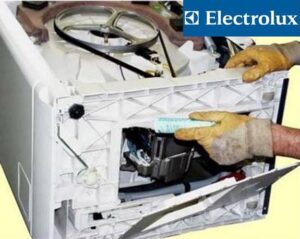
- Remove the instrument panel. The procedure varies depending on the specific model: on some, you first need to unscrew four bolts around the perimeter, while on others, simply pry the panel up and bend the clips. The disconnected board can either be hung on the side panel or removed completely, exposing the wiring.
- We find the fasteners holding the cover in place. Unscrew them and remove the panel.
- We loosen the clamps on the filler valve pipe, disconnect the hoses, release the wiring and push out the valve.
- We unscrew the fasteners along the perimeter of the side walls, move them down and remove them.
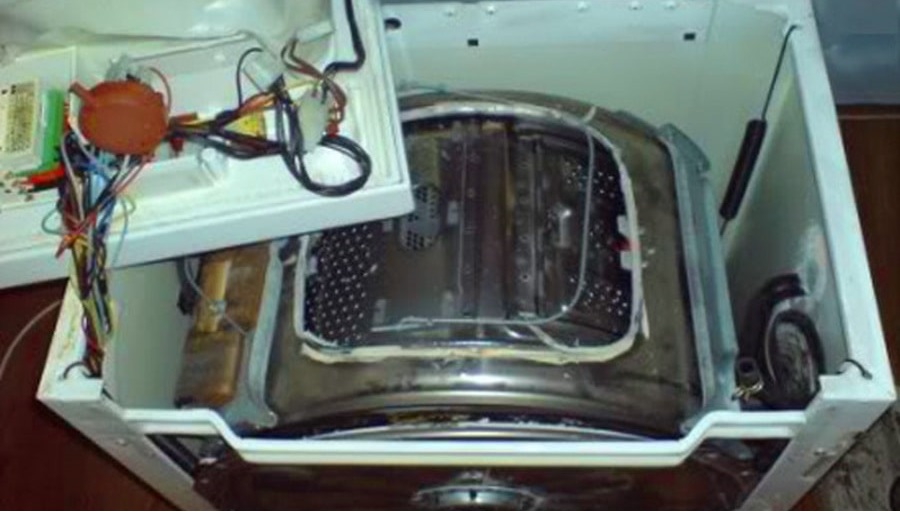
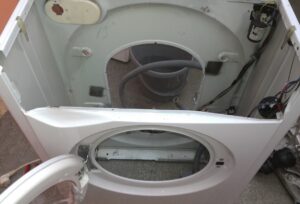
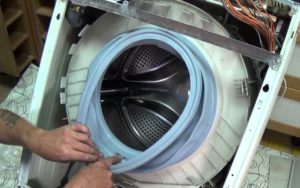
- We remove the front door fasteners and open access to the main components of the washing machine.
- We disconnect the wiring connected to the drum. Removing the drum from top-loading machines is not necessary, and even the bearings can be replaced on-site.
- Next, the drive belt is removed from the pulley.
- The wiring is disconnected from the heater, the central nut is unscrewed, the bolt is pressed inward, and the heating element, after rocking from side to side, is removed from the housing.
- We remove the motor after pulling out the connectors and releasing the retaining fasteners.
- To remove the pump, loosen the clamps from the connected pipe and drain hose, and then turn the pump counterclockwise.
Be prepared for water to flow out when you remove the pump from the machine!
Disassembling the top-loading washing machine lid is a separate process. First, place the panel on a flat surface, then pull the detergent drawer toward you until it clears the machine body. Then, press the top latch, remove the button, and unscrew the two screws hidden behind it. Turn the door over, locate the handle, and, unfastening the holders, open the hatch.
At this stage, the vertical stand is considered almost completely disassembled and ready for further manipulation. Now, repairing or replacing it yourself is a breeze. The main thing is to act carefully and not forget to clean the equipment from dirt and scale.
Typical breakdowns
Indesit top-loading washing machines have some particularly sensitive areas that most often lead to machine failure. These are called typical malfunctions, and experienced technicians are well accustomed to such complaints from machine owners. Typically, people contact the service center for the following reasons.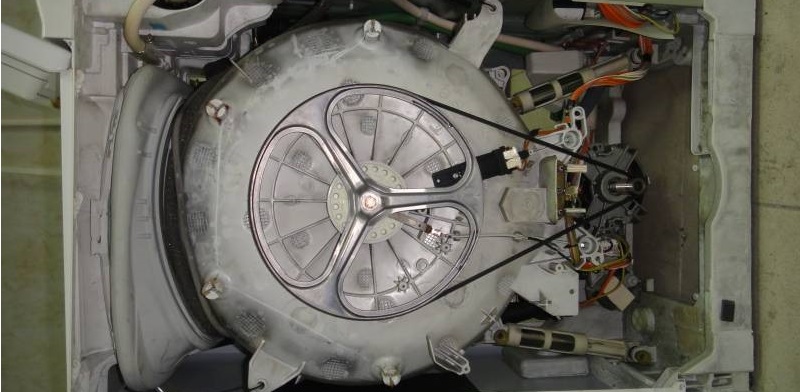
- The drum doors open directly during washing, which leads to damage to the heating element and depressurization of the tank.
- Low-quality metal housings are quickly damaged by corrosion, making the machine unsightly.
- The laundry loaded into the drum is unevenly distributed along the walls, causing an imbalance.
- The electronics turn out to be weak, the software often resets, and the resistors on the control board burn out.
- Bearings quickly become deformed and destroyed.
Repairs don't always require disassembling the machine. But it's best to know all the instructions to be prepared and informed.
Interesting:
1 reader comment
Add a comment
Headings
Washing machine repair




For buyers




For users


Dishwasher




Which way is the screw on the drum turned?