
Disassembling an Electrolux top-loading washing machine
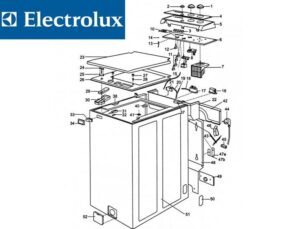 Most washing machine problems can be resolved at home. Troubleshooting requires completely or partially disassembling your Electrolux top-loading washing machine. Where do you begin? What tools will you need? What are the most common problems with Electrolux washing machines?
Getting ready for hard work
Complete disassembly of the washing machine isn't always necessary. In some cases, removing one of the side panels is sufficient. The solution will depend on the type of malfunction.
In any case, before disassembling the washing machine, disconnect it from the power supply. Working with the machine while it's plugged in is dangerous. You'll also need to disconnect the washing machine from the water supply and sewer line, then move it to the center of the room. Ensure free access to the washing machine from all sides.
If space is limited in the bathroom, you can move the machine into a hallway or room. For comfortable disassembly, you'll need 2-3 square meters. You'll also need to gather all the tools you might need: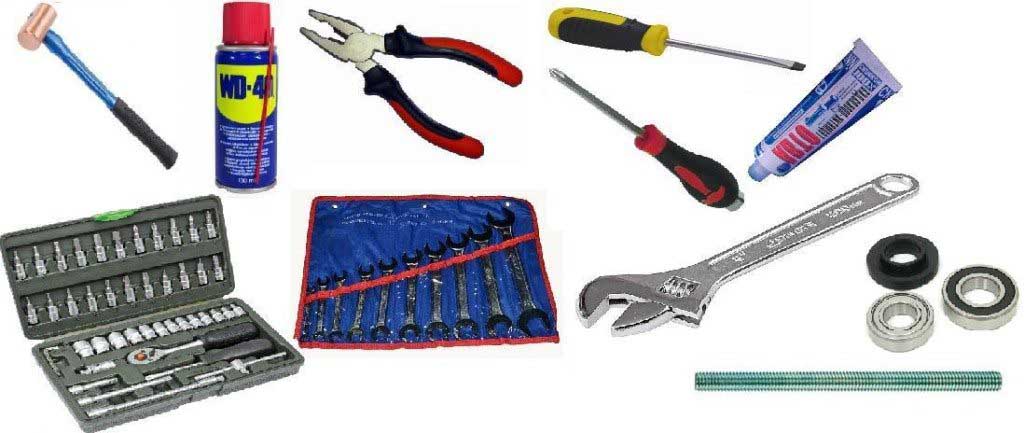
- a pair of screwdrivers (Phillips and slotted);
- socket heads of different sizes;
- adjustable wrench;
- pliers;
- open-end wrenches.
Have a few dry rags on hand. Also, place a basin nearby to catch any water that spills out when you remove the debris filter. A phone with a camera will also come in handy – during the disassembly process, it’s best to take photos of how the terminals and wires are connected.
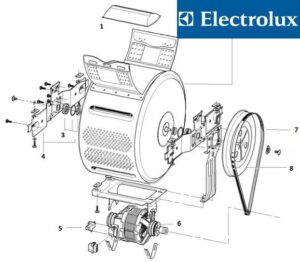
Before disassembling your Electrolux vertical dryer, read the instructions for the equipment – it describes the location of the main components and parts.
It's important to understand the internal structure of a washing machine. This will make it easier to navigate during disassembly. Follow the instructions exactly, and disassembly will be trouble-free.
Description of the SM dismantling process
All washing machines are assembled from the same components: the tub, drum, motor, heating element, pressure switch, and others. These components are present in any machine. However, the arrangement of these components varies between front-loading and top-loading machines. This explains the differences in disassembling the washing machine.
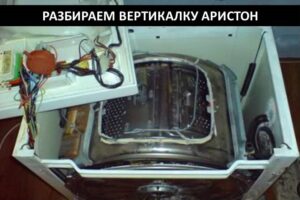
How do you disassemble an Electrolux top-loading washing machine? The steps are as follows:
- de-energize the device;
- close the shut-off valve on the pipe responsible for supplying water to the washing machine;
- disconnect the inlet hose from the washing machine;
- move the machine away from the wall and furniture;
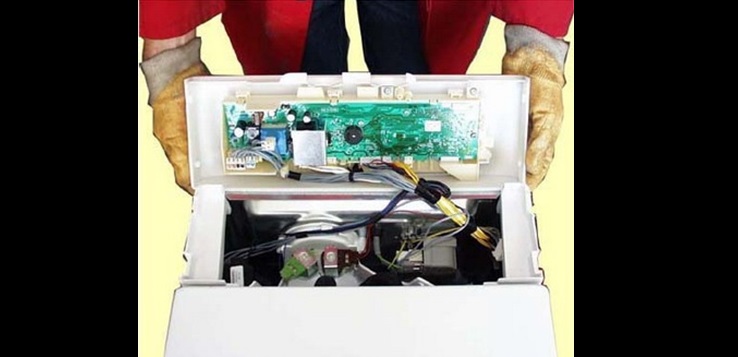
- remove the washing machine control panel (on some Electrolux models you can pry the control panel off with a slotted screwdriver, on others you will first have to unscrew the fixing bolts and deal with the latches);
- unscrew the bolts securing the washing machine cover, remove it and put it aside;
- Loosen the clamps on the intake manifold, unhook the hoses and connected wires, and remove the solenoid valve;
- Unscrew the bolts holding the side panels of the case;
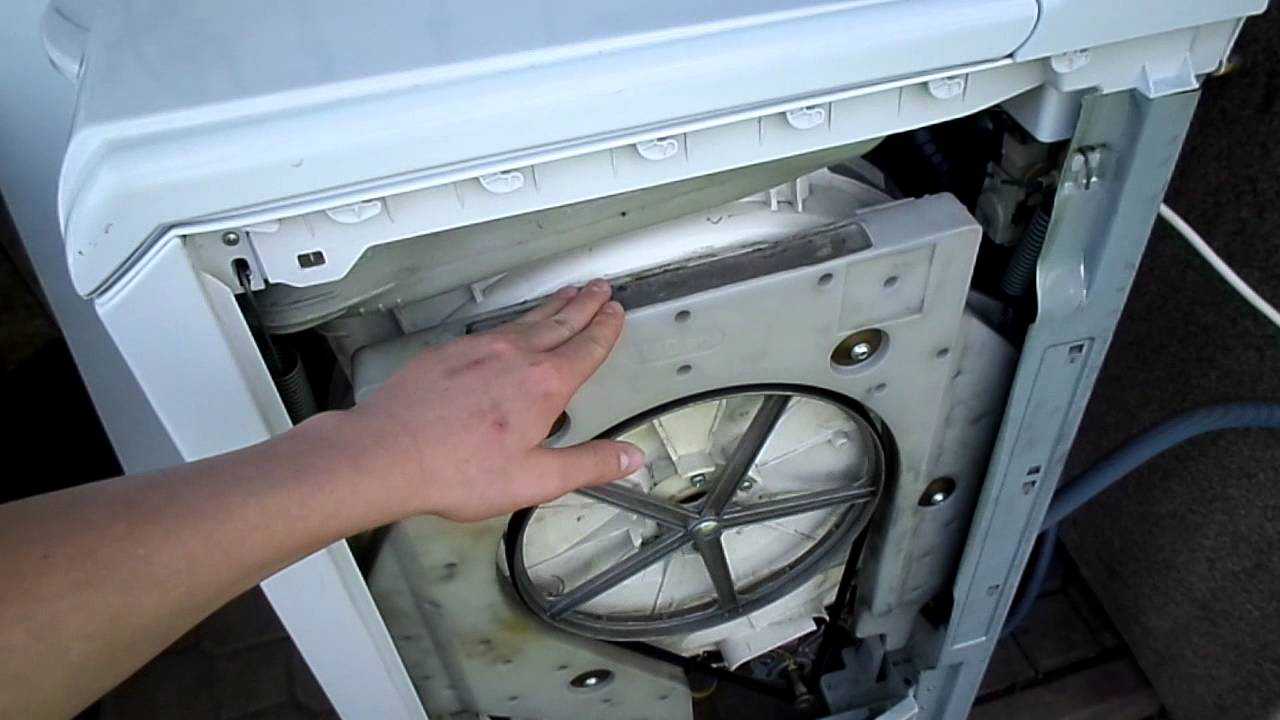
- Having dealt with the latches, remove the right and left panels of the machine;
- remove the fasteners from the front wall of the washing machine (this will open access to all the internal parts of the automatic machine);
- remove the drive belt from the drum wheel;
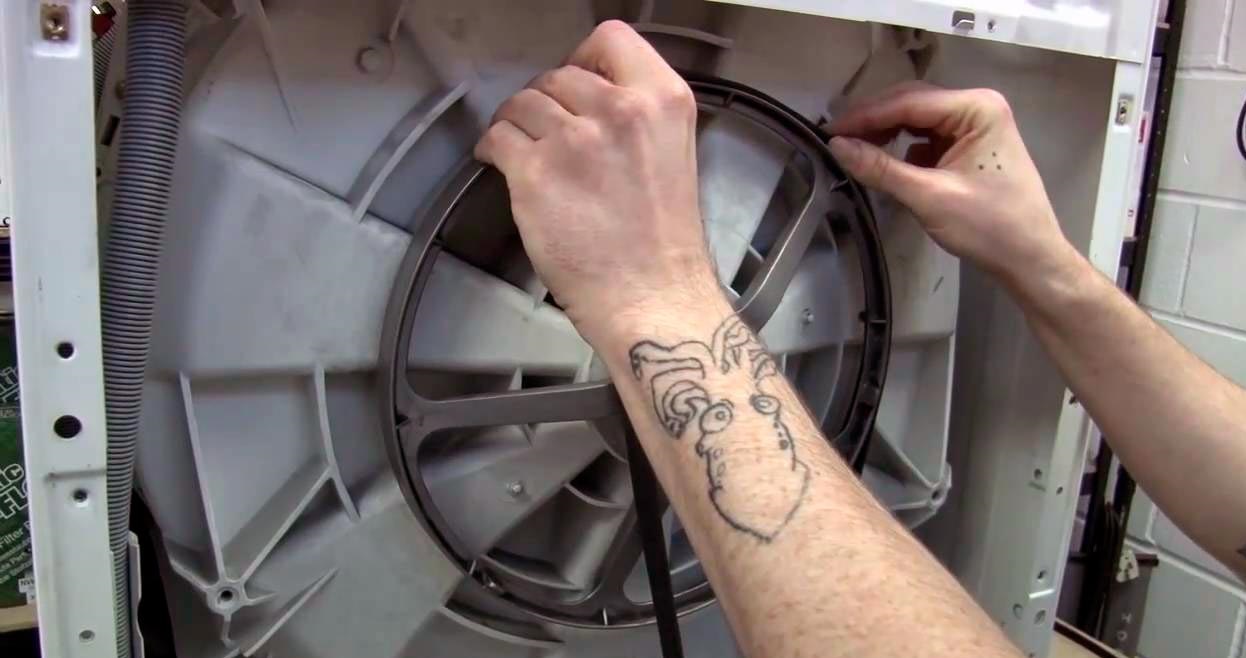
- disconnect the wires connected to the tank from it (with Electroluxes, you don’t need to remove the tank even when replacing bearings – this type of work is done “in the air”);
- reset the heating element wiring;
- unscrew the heating element nut, sink the bolt, and remove the heating element from the machine;
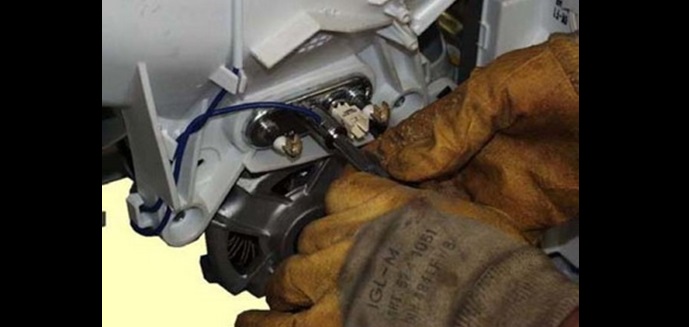
- disconnect the contacts from the motor, remove the bolts securing it, and pull the motor out of the washing machine housing;
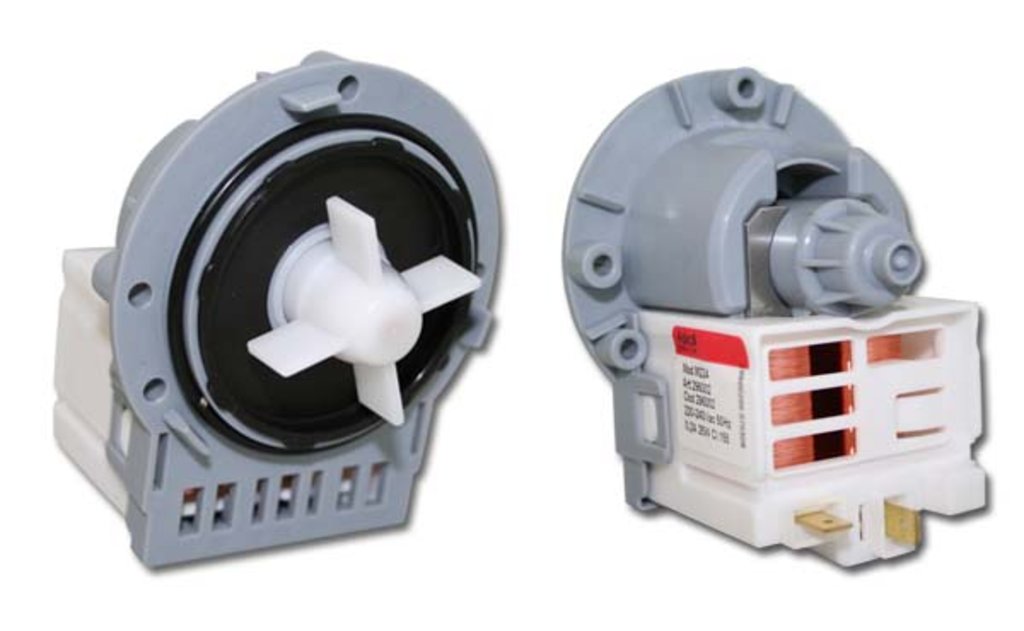
- loosen the clamps on the drain pipe, detach the hose from the pump;
- Unscrew the pump fasteners and remove the pump from the housing.
The scope of work depends directly on the type of failure. If you simply need to replace the inlet solenoid valve, there's no point in completely disassembling the machine. Removing the top cover will suffice.
The vertical dishwasher's lid can be disassembled separately. Be sure to place the element on a flat, hard surface. First, remove the detergent drawer by firmly pulling the drawer toward you.
After this, you'll need to press the top latch, pull out the button, and unscrew a couple of screws hidden behind it. Then, flip the panel over, locate the handle, and remove the holders. This will help separate the element.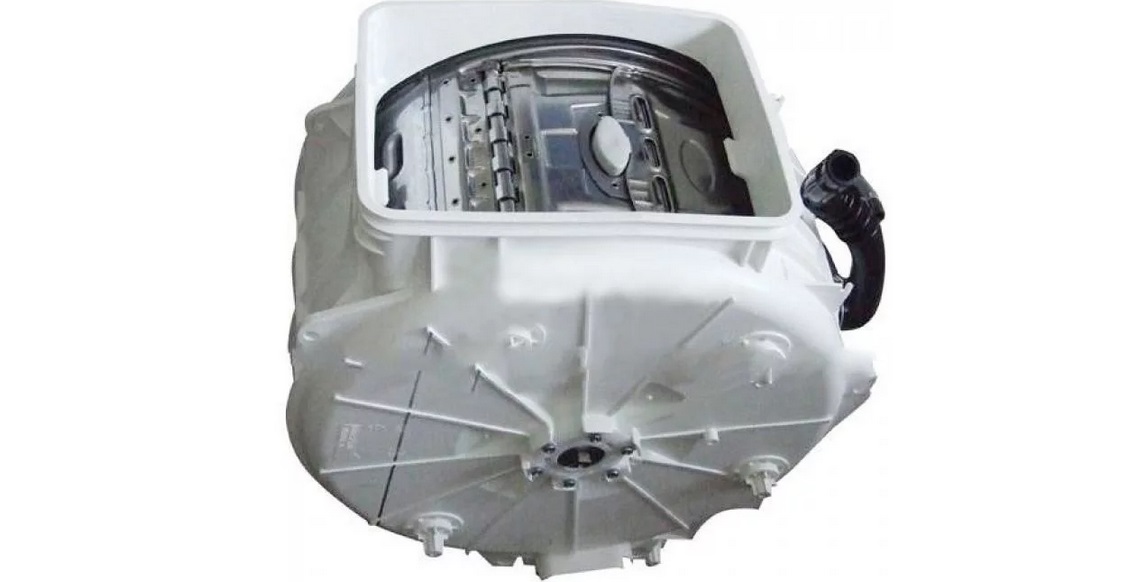
You should not disassemble Electrolux appliances if the warranty card is still valid. If you open the case yourself, the warranty will be void. In this case, it is better to take the washing machine to a service center for free maintenance.
Disassembling an Electrolux top-loading washing machine is no more difficult than a front-loading machine. In this case, replacing the bearings doesn't even require removing the drum assembly from its shock-absorbing springs. Only the top cover will require some effort.
Common breakdowns
Electrolux automatic washing machines are quite reliable. Machines from this brand are distinguished by high build quality. However, this doesn't guarantee that the appliance will remain faultless throughout its entire service life.
The following faults are typical for Electrolux:
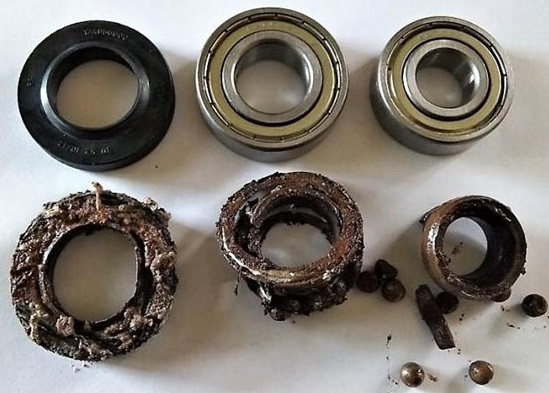
- destruction of the bearing unit;
- heating element failure;
- damage to the metal body due to corrosion;
- centrifuge rotation (when the tank is positioned with its flaps down);
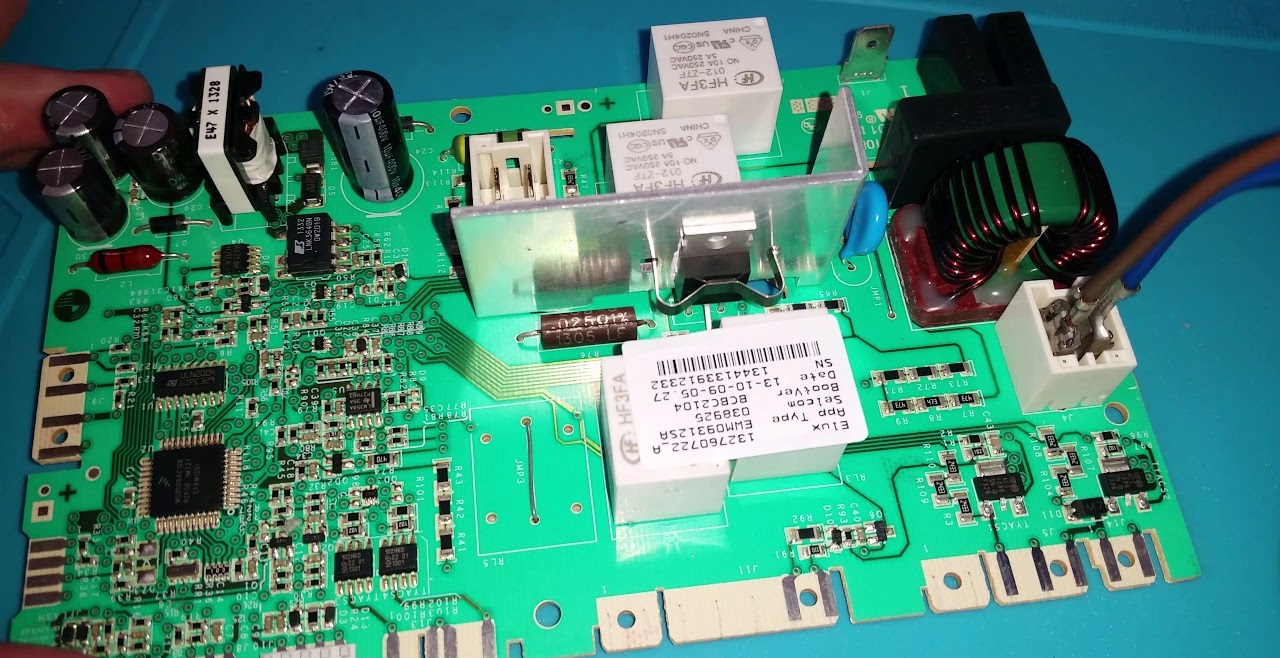
- main control module failure.
Bearing failure occurs not only in Electrolux washing machines, but in washing machines of absolutely any brand. This malfunction is caused by natural wear and tear. Users themselves accelerate bearing failure by violating washing machine operating instructions:
- allowing the machine to be overloaded;
- washing one item in the machine, which causes an imbalance;
- constantly running high-temperature washing programs (this damages the seal, water gets inside the unit, and the bearings are destroyed).
By following the washing machine operating instructions prescribed by the manufacturer, you can avoid many breakdowns.
For example, don't overload your washing machine. Adhere to the manufacturer's maximum weight rating. Avoid excessive spin speeds; it's best to stick to medium settings. If you have hard water in your area, be sure to soften it to prevent premature heating element failure.
Electrolux vertical washing machine control modules are sensitive to power surges. Therefore, it is recommended to install them on the washing machine's power line. voltage stabilizerSuch a device will protect the electronic unit from damage.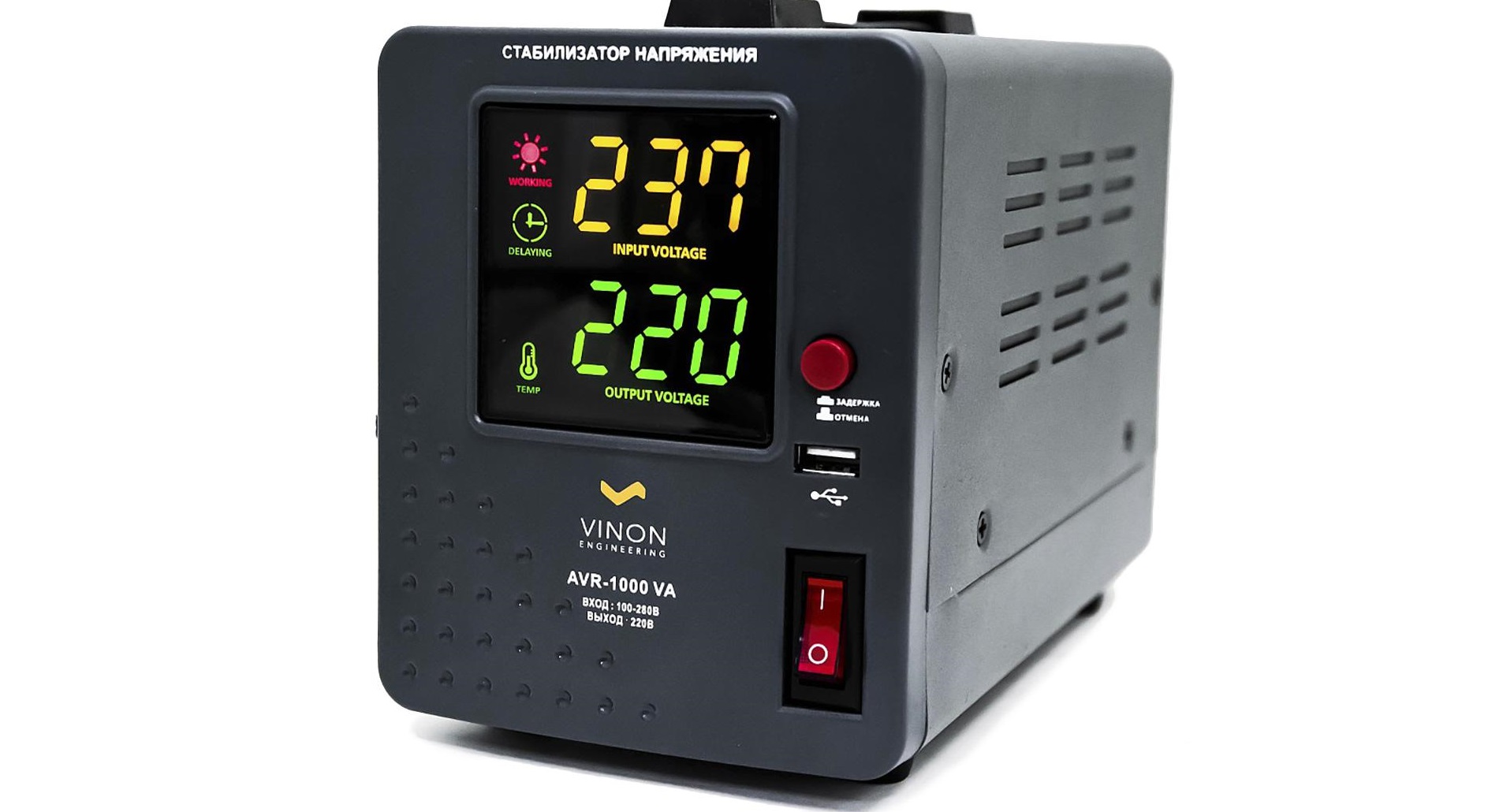
It's also recommended to periodically descale your washing machine using a special descaling product. Avoid running multiple high-temperature cycles in a row; two cycles at most are harmful. This can damage all the rubber seals in the machine.
Interesting:
Readers' comments
Headings
Washing machine repair




For buyers




For users


Dishwasher




Add a comment