
Best Dishwasher Detergent - Rating
 After purchasing a dishwasher, most people ponder the question: which detergent to choose to ensure excellent cleaning results, health benefits, and affordability. Clearly, there's no perfect balance between price, quality, and eco-friendliness, but you can try searching for a detergent that comes close by creating a rating for yourself.
In this article, we'll discuss the best dishwasher detergents, based on the opinions of experts who have tested numerous samples and consumers who use them.
What forms are the products available in: which is better?
To understand which dishwashing detergent is best for dishwashers, it's important to study the different types and categorize them. There are three main types of dishwasher detergents:
- powdered;
- gel-like;
- tableted.
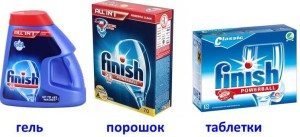 Each of these forms also differs in content. Powder, as a rule, contains only a substance that removes dirt from dishes. The powder does not soften water and does not contain conditioner or rinse aid, so ideally the powder should be used along with other dishwashing and dishwasher care products. The powder is quite cheap, but if you use it “alone” the car will soon become unusable, although you can choose auxiliary substances for it, for example, dishwasher saltAnother disadvantage of the powder is its poor solubility, which leads to a decrease in the quality of dishwashing.
Gel dishwashing detergent dissolves much better than powder, so its concentration in the cleaning solution is always sufficient. You don't have to worry about dishes being clean. However, gel, like powder, only cleans dishes. It doesn't soften hard water or maintain the dishwasher. Even adding salts and fabric softener to gel (as well as powder) won't have any effect, since gel mixes with water immediately, while the ingredients need to be added to the cleaning solution gradually.
Modern tablet detergents differ radically from powder and gel detergents.
- The compressed tablets contain detergent, salt and conditioner.
- Each of the substances included in the tablet does not dissolve immediately, but at the right moment.
- Using tablets, you wash dishes, maintain your dishwasher, and refresh both the dishes and the machine itself.
Please note! We are talking about modern 3-in-1 tablet detergents, provided they are used in modern dishwashers that can recognize them.
If we look at market research, we can draw a clear conclusion: over the past three years, 3-in-1 cleaning tablets have been increasingly replacing powders and gel-based detergents on store shelves, but let's not jump to conclusions.
Which products are more environmentally friendly?
We all want dishwashing detergents to contain fewer harmful chemicals. Ideally, everything that comes into direct or indirect contact with food should be environmentally friendly. In fact, based on this idea, European manufacturers are making a lot of money selling detergents made with natural ingredients, including in Russia. On the one hand, this seems like a good thing, but consider this:
- environmentally friendly detergents do a worse job of cleaning dishes;
- These products cost two or even three times more than regular ones;
- Eco-friendly products are used more sparingly because their concentration is more moderate.
So, we get one plus – eco-friendliness – against three minuses. Two of these minuses will seriously damage your wallet. In our opinion, before giving in to panic and following annoying advertisers, try to evaluate the harmfulness of the chemicals included in regular, mid-priced dishwasher detergents. They contain: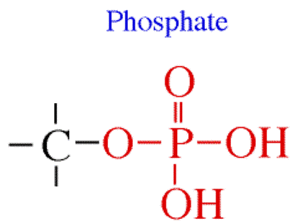
- Phosphates. Generally speaking, these aren't particularly harmful substances. Even if we assume that 0.01 mg of this substance remains on your plates every time you wash dishes (though that's an exorbitant amount), only 1/8 of that will enter your body. Even if you wash your dishes with phosphate-containing detergent your entire life, you won't accumulate enough of the chemical to cause harm. In fact, you consume far more phosphates from sausages, canned goods, and soda.
Please note! In small concentrations, phosphates actually benefit the body by providing phosphorus, which in turn plays an important role in metabolic processes.
- Chlorine. We could talk at length about the harm of chlorine, but it's unlikely we'll be able to say anything new on this subject. But then again, The concentration of chlorine that is not washed off the dishes and eventually settles in the body is negligible. For comparison, with regular tap water, we consume approximately 150 times more chlorine than when using chlorine-containing detergents. The bottom line is, you won't reduce the amount of chlorine in your body unless you use chlorine-containing detergents—other methods are needed.
- E1101, or proteases. Due to their ability to break down protein bonds in organic substances, they are widely used in the production of dishwashing detergents. Proteases are excellent at removing residue from dried-on mashed potatoes, cereal, ice cream, chocolate, and other foods. Until recently (2008), protease was used as a food additive and stabilizer. So, if we've eaten protease in cookies, bread, and sausage, we can tolerate its presence in dishwashing detergent—it's harmless.
- E1104, or lipase. A component of dishwashing detergent that helps dissolve any grease; without it, all the grease would remain on the dishes. Lipase was also previously used as a food additive, so the small concentrations found in dishwasher detergent are harmless, even if ingested.
- Tensides. This is a very important component of any dishwashing detergent. Tensides allow you to separate any dirt from a hard or soft homogeneous surface and ensure perfect dishwashing. Toilet soap contains the highest concentration of surfactants. Toilet soap is harmless to the body, except that it dries out the skin—so draw your own conclusions.
In summary, based on the above, we can confidently state that even standard dishwasher detergents don't contain anything extremely hazardous to humans, and you can safely use them to wash dishes. Don't give in to the "eco-friendly hysteria"; instead, spend the money you save on vitamins to boost your immune system.
Top 5 most suitable products
Let's return to our question: what to use for washing dishes in a dishwasher? Discussing the benefits and harms of detergent ingredients and their types is all well and good, but we need to decide on a specific product from a specific manufacturer. For this very reason, we decided to compile a rating of detergents based on expert opinions and consumer reviews.
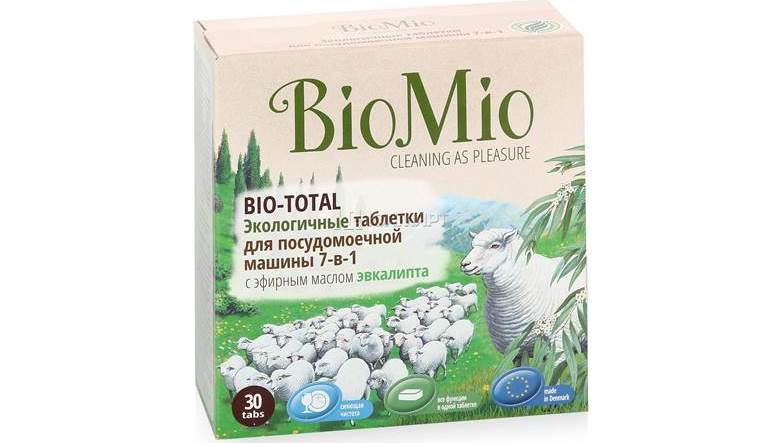
The best modern dishwashing detergent for the dishwasher was recognized as a tablet substance called BioMio 7 in 1. Here, experts and consumers once again agreed that it cleans dishes best, equally effective at removing burnt-on grease and tea stains. The product passed laboratory tests with flying colors, and consumer reviews are 99% positive. A 30-tablet pack of BioMio 7-in-1 tablets costs $4.20—an order of magnitude cheaper than competitors.
Finish Dishwashing Tablets. This product is also very good; however, in the test for removing tea stains from cups, it performed worse than the first-place product. However, consumer reviews are also positive. Finish tablets are safe for washing silverware; they are corrosion-resistant. The tablets are not crumbling, but for a half-load, you can carefully cut a tablet in half and use it to wash dishes. A pack of 100 tablets costs $20—not exactly cheap, but considering the economical use, it's not that expensive.
Important! The Finish brand is quite well-promoted in Russia, and the manufacturer spends a significant amount of money on advertising, which inevitably affects the product's price.

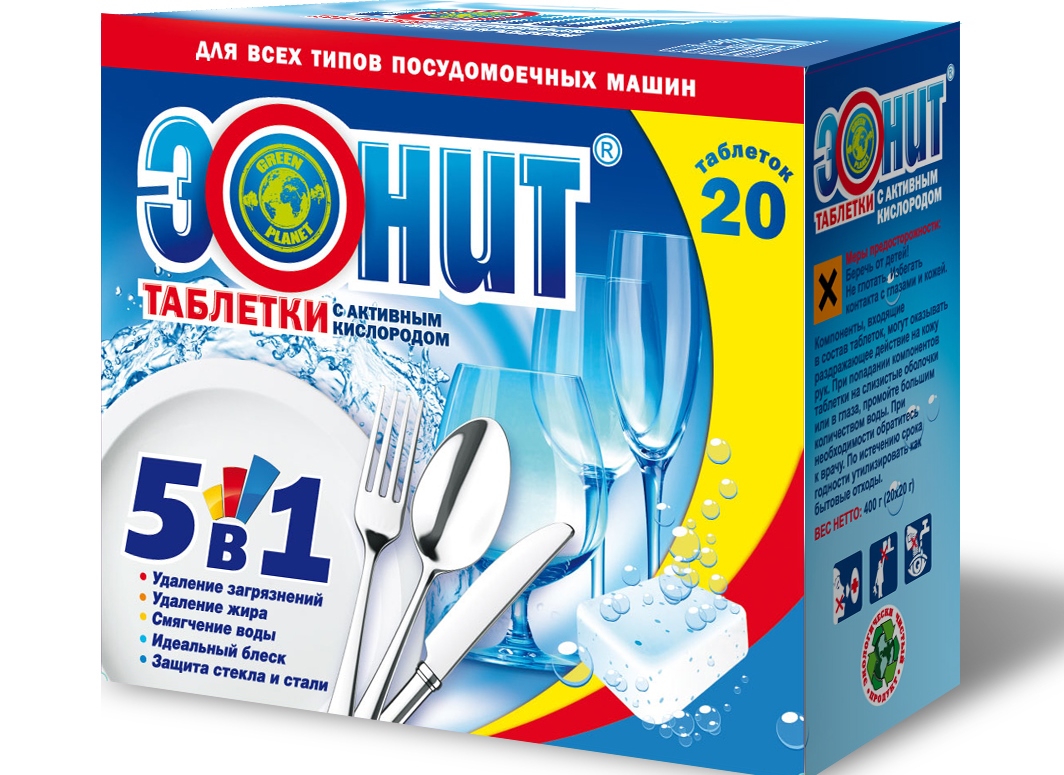
Eonit 5-in-1 Dishwashing Tablets. Our experts ranked this product third. Its main advantages are its low price combined with decent dishwashing performance. While it's risky to use on pans with burnt-on grease, it removes most stains, even the toughest ones, without any problems. The product does not contain surfactants or other harmful chemicals and effectively removes tea and coffee stains from cups and mugs. A package containing 20 Eonit tablets costs $2.40, so for 100 tablets you'll pay $12 – cheap and cheerful!
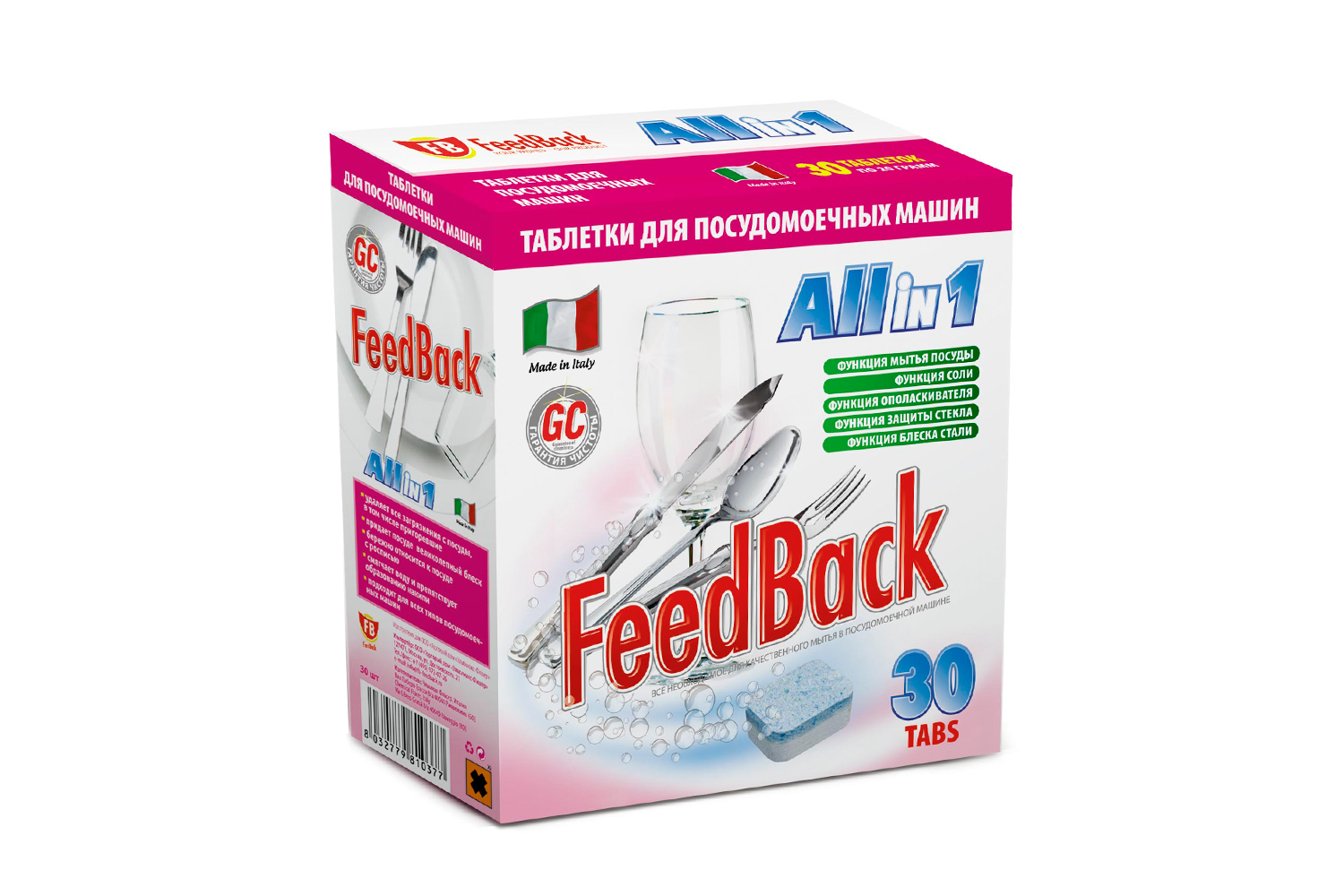
Feed Back Dishwasher Tablets. This product only earned fourth place due to its poor performance in the coffee cup cleaning test. Grease and other food residue are washed away with flying colors! This product is completely eco-friendly and relatively inexpensive. Consumer reviews are overwhelmingly positive. Washing dishes with this product is a pleasure; you just load it in the dishwasher and you're good to go. The average price for a package (30 tablets) is $3.70, so 100 tablets would cost $12.33.
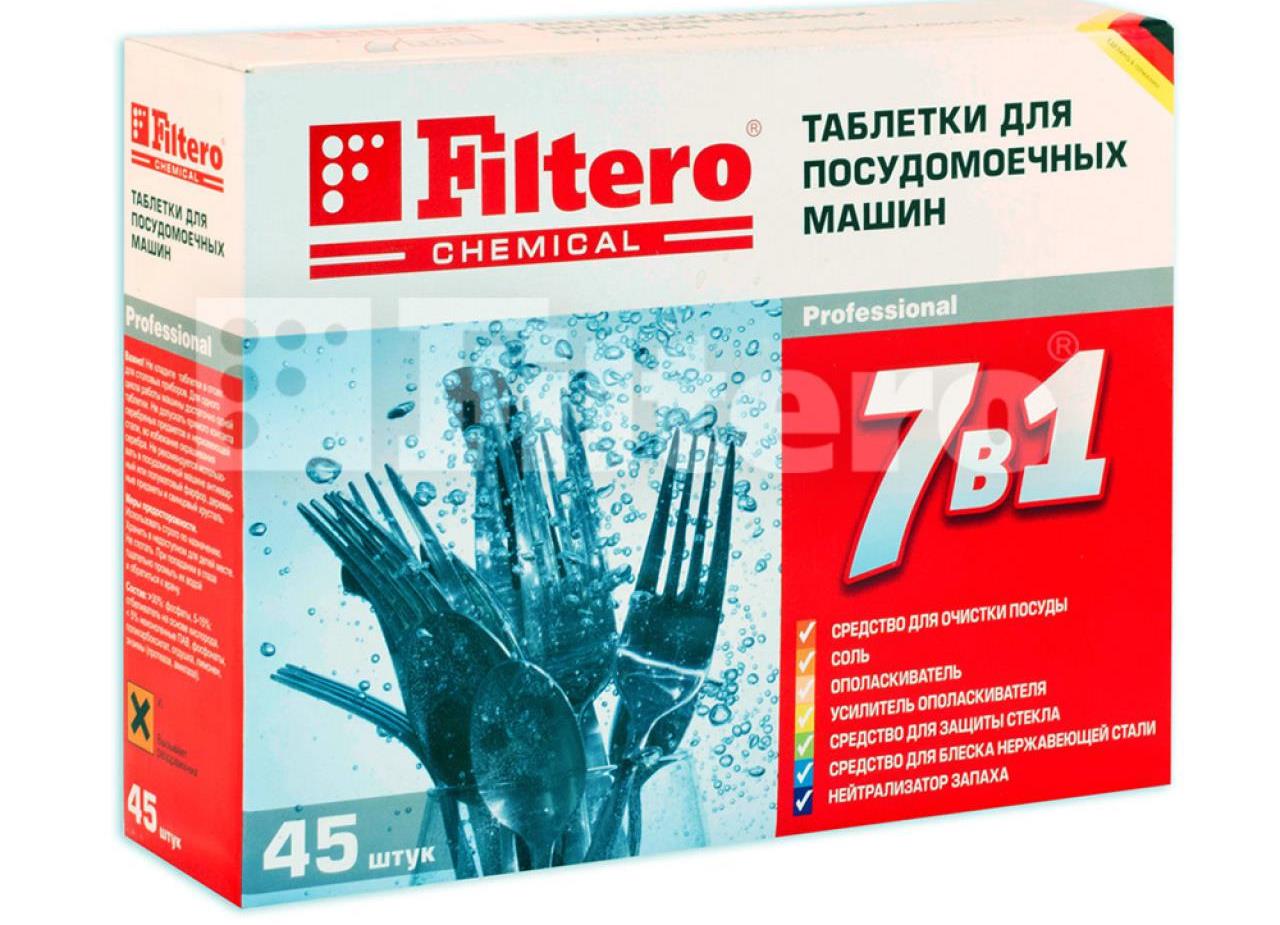
Filtero dishwasher tablets. It copes perfectly with burnt fat; in this regard, the product demonstrated the best results. However, there was a problem with removing dried-on mashed potato chips in two out of four tests. Consumer reviews of the product are also mixed, but the price is quite reasonable: a package of 16 tablets costs only $1.90. Based on laboratory testing and consumer reviews, we placed this product at the very bottom of our rating—the top 5 best dishwasher detergents.
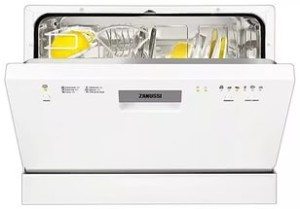
In conclusion, we'd like to point out that the opinions on the best dishwasher detergents presented in this article, although subjective, are certainly worth considering when choosing the best one for yourself. Although powder and gel detergents weren't included in our ranking, they shouldn't be discounted. They're also safe to use in the dishwasher. Don't jump to conclusions or rely on advertising, and you'll make the right choice!
Interesting:




5 reader comments
Add a comment
Headings
Washing machine repair




For buyers




For users


Dishwasher




I use dishwashing powder
More nonsense promoting tablets containing harsh chemicals. To talk about the safety of chemical residues on dishes, we need to conduct long-term human testing, which no one does.
So, people who wash dishes by hand with detergents don’t wash dishes with aggressive chemicals?
Absolutely identical chemistry and nothing happens to people from it.
I'm annoyed by people who are obsessed with chemicals, even in fruits and vegetables, but don't realize it. But when it comes to obvious chemicals, they start grumbling.
Chemicals are everywhere these days. Eating food from modern stores in our country where the ingredients are full of lies, and then getting upset about the tablets in the household cleaning products you use to wash your hair, do your laundry, and wipe down everything in your apartment—that's either narrow-minded or naive.
And there's no advertising as such here. If there was an ad for a specific company, one might think it was paid for, but here they're talking about pills in general. No one could possibly pay for advertising them, since there are plenty of companies selling them.
Ivan, you couldn’t have said it better!
So, for someone looking for a chemical-free product, it's silly to argue that the store is full of chemicals or that they wash their dishes with chemicals by hand. Such a person doesn't eat sausage or wash their dishes with conventional detergents, and instead looks for organic farms with vegetables, etc. Telling us that chemicals are harmful is pointless; for that, learn the language and discover scientific research conducted abroad. Also, consider the environment in general and the fact that this water, laden with chemicals, ultimately ends up in the sea. To summarize the futility of your conclusions, I'd also like to point out that I came here to find the best product based on eco-friendliness and dishwashing quality. And what I get is a platitude for logic, with assurances that we once used all these additives in cookies. It's both funny and sad.