
Is it worth repairing electronic modules yourself?
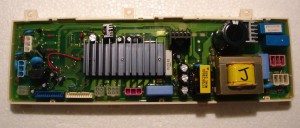 Washing machine electronics are the most complex components of this household appliance. They are based on a printed circuit board, which contains the control elements for each unit and its components, arranged in a specific order. A microprocessor, the most expensive component of the control module, synchronizes the operation of these elements. Electronic modules in modern washing machines can fail, and this is where the main problems arise. In this article, we will discuss these issues and outline solutions.
How do you know if a module is broken?
The most fundamental problem is determining whether the control module is truly broken and needs repair, or whether one of the washing machine's components is actually faulty, creating the appearance of electronic damage. Resolving this issue is a priority, because rushing to repair or replace the module without sufficient justification will waste money and not resolve the problem.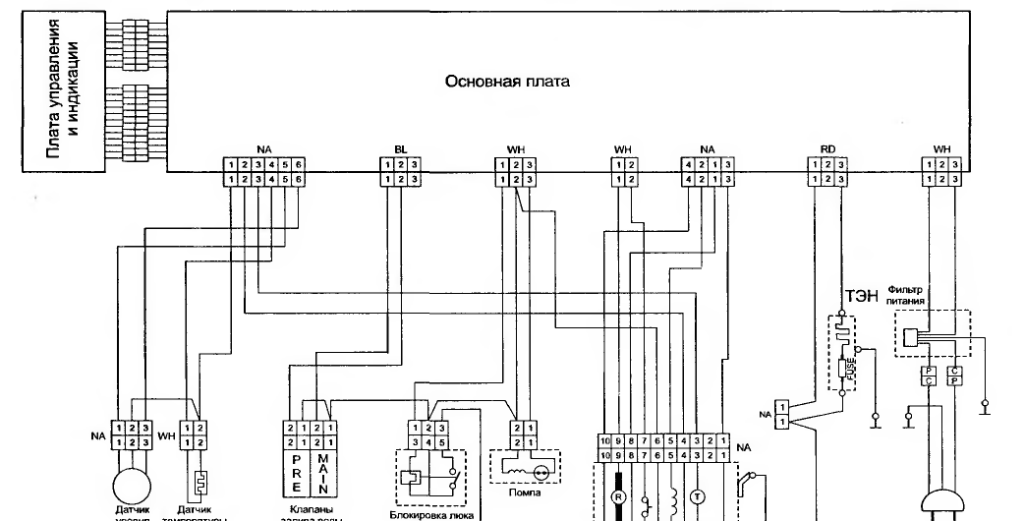
So, let's first figure out how to diagnose a problem with the electronic module. Let's start with the simple: learning the typical signs of electronic module failure. In about half of the cases, the electronic modules of modern washing machines, by their “behavior,” reveal the cause of the malfunction. All that remains for us to do is to recognize and identify it.
- The washing machine does not spin the laundry., while the control panel freezes and does not respond to user actions, the error code is not displayed on the display.
- All the lights on the control panel flash together and one after the other, making it impossible to start any washing program.
- The washing program is set and started, but either no water fills the drum or the water drains immediately. After this, the machine freezes completely, and only a reboot can save the day. However, after restarting, washing can proceed as normal.
- The machine runs for 3-4 hours straight on any wash program, without stopping, without switching to rinse or spin cycles. The drain pump makes no attempt to remove water from the drum. After a long period of time, the machine freezes.
- After turning on, when trying to set a washing program, the machine freezes and immediately turns off.
- The washing program is set, the display shows the progress of the wash, but in reality nothing happens, water does not fill the tank, the drum does not spin - nothing happens.
- The motor changes the drum speed unnecessarily frequently, even when the speed change isn't programmed. The drum alternates between the two directions for a very long time.
- The washing machine's heating element sometimes overheats the water, sometimes leaves it cold, ignoring the temperature sensor's readings.
Important! This washing machine behavior only hints at a malfunction and the need for repair of the electronic module. To confirm this, it's essential to conduct a series of tests.
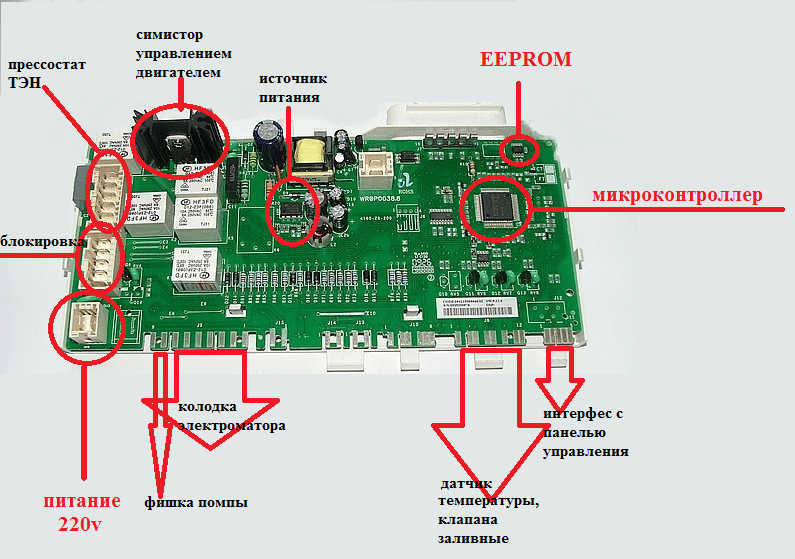 Each of the eight malfunction signs listed above could indicate a faulty control module, a faulty sensor, or a faulty component in the washing machine. To ensure it's truly the electronic module, You must first run the washing machine's autotest, and then test the machine's components manually. Only then can we draw definitive conclusions about the malfunction. So, how do you run a self-test on your washing machine?
The self-test procedure varies for different washing machine models. Therefore, we recommend carefully reading the operating manual for your automatic washing machine. Here's an example of the self-test procedure using an Ardo washing machine.
- We move the programmer arrow to a strictly vertical position, so that the arrow points downwards.
- We set the temperature to zero.
- We check that the drum is empty and there is no water in the tank.
- Press all the buttons on the control panel simultaneously, after which the machine's autotest mode should start.
Upon completion of the test, the display should show an error code corresponding to either a malfunction of the washing machine unit or a malfunction of the electronic module.
Please note! This test cannot be performed on washing machines with an asynchronous motor or on state-of-the-art machines with a built-in self-diagnostic system (there's a special "self-diagnostic" button on the control panel).
The autotest does not always produce adequate results. To check if the electronic module is faulty, you need to test it with a multimeter. The same procedure should be performed with all suspect components, testing them one by one. This is, of course, a very painstaking process, but it's the only way to be 100% certain that the electronic module is faulty.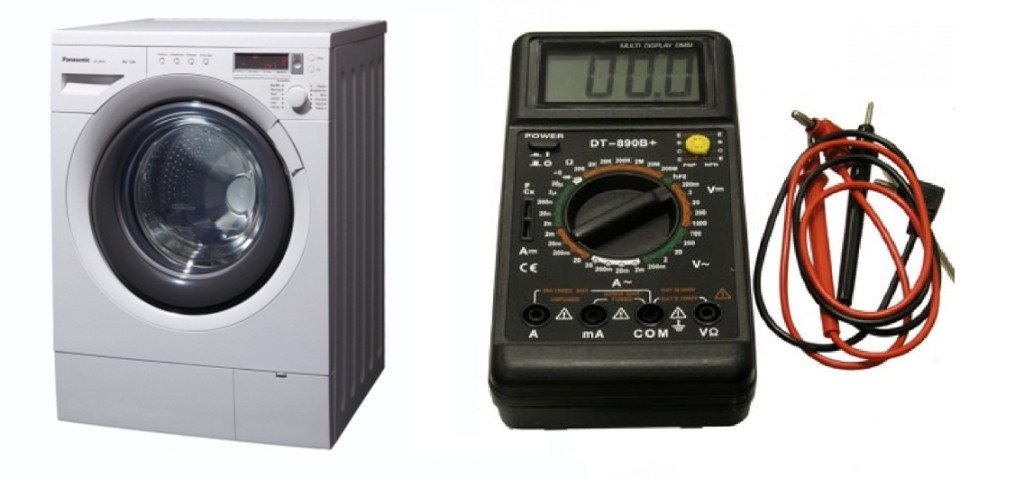
Why does the control module break down?
There are many reasons why electronic modules fail. And not all of them are due to improper use of the washing machine. But let's take things in order.
- Factory defect: one of the board parts or track is damaged.
- Exposure to moisture, working in conditions of very high humidity.
- Voltage surges.
- Disconnecting the washing machine from the power supply several times while the washing program is running.
Unfortunately, manufacturing defects are common in both cheap and expensive washing machines.
Most often, such defects arise in the washing machine's most complex part—the control unit. Fortunately, in most cases, the problem is quickly identified while the machine is still under warranty, but sometimes the problem only manifests itself after several years. In these cases, repairs must be carried out at your own expense, often by yourself.
Any automatic washing machine is designed to operate in very harsh environmental conditions, especially high humidity. However, In some cases, it is moisture that causes the electronic module to fail.Moisture typically causes short circuits, which damage the electrical components and electronics. After this, the machine will definitely require serious repairs.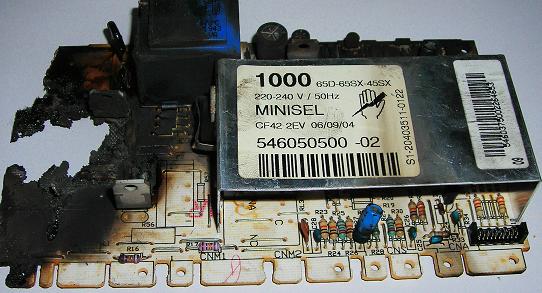
If you connect a washing machine to an unprotected electrical system, a power surge could easily damage any or all components of the washing machine, including the electronic module. This can be prevented by installing a residual-current circuit breaker (RCCB) in the electrical circuits supplying the washing machine.
And finally, the user factor. Never disconnect the washing machine from the power supply forcibly while it is running. Several such shutdowns can easily damage the electronic module. If you need to turn off the washing machine urgently, it's better to press the stop button first and then turn it off—this will be less damaging than a sudden shutdown.
Do we fix it ourselves or call a specialist: what is more profitable?
Now let's move on to the main question: should you repair the electronic module yourself or is it better to entrust this important task to specialists? Answering this question is quite difficult. Everything will depend on your knowledge, skills, and experience working with microchips and printed circuit boards, as well as the nature of the failure.
The most basic problem for an amateur is identifying a fault in an electronic module. Each component must be tested, the burned-out element or broken track identified, and only then can the component be replaced or the track re-soldered. The likelihood of doing everything correctly, given your mediocre skills, is virtually zero.
Replacing the electronic modules in modern washing machines is certainly possible, but it won't help, especially if a proper diagnostic hasn't been performed. A new electronic module board will likely burn out again.
Another option is to remove the entire control unit and have it tested by a technician. Experts don't recommend this. If you do call a technician, give them the opportunity to test the control unit on-site, directly on the washing machine. This way, they can pinpoint the problem more accurately.
Important! Electronic modules in modern washing machines can only be repaired by qualified technicians. Don't trust repairs to just anyone. Ask for a specialist's recommendations before entrusting them with the work.
Whatever one may say, it's more cost-effective to consult a specialist. Do-it-yourself repair of such a complex washing machine component can lead to even greater costs. In the worst case, an improper test of the equipment could burn out not only the control unit, but also the heating element, motor, drain pump, or all three, forcing you to buy a new machine. This begs the question: why risk it? Isn't it better to entrust the repair of your home appliance to a reputable technician?
Interesting:


6 reader comments
Add a comment
Headings
Washing machine repair




For buyers




For users


Dishwasher




After the module broke, I simply went to a scrap metal collection point and removed the module from a washing machine that was lying around there and installed it. And everything works perfectly! Mine is an Indesit 5103, and the one I removed it from is an Indesit 5085.
Bosch WTE86305OE tumble dryer. Module needs repair.
Ariston displays error code F-12. Then it might start working, work for a while, and then I turn it on again, and the same thing happens.
My washing machine broke. I called a technician, who replaced the motor brushes, and everything started working again. But since the bearing was about to wear out, they replaced it too. After that, the machine stopped working again. The technician arrived and said he had connected the motor module incorrectly. He did something about it. It worked for one wash, and then the machine stopped working again. Now the motor module needs to be repaired. Is it worth it? Or should I just buy a new one? A couple more repairs like this and the cost will exceed the cost of the washing machine.
How much will it cost to repair the Indesit Eva 1 module?
Can the Siemens module be repaired? The display isn't lit.