
Repair and inspection of the washing machine motor (collector)
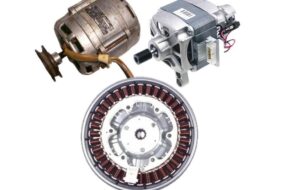
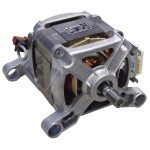 Washing machines can use various types of electric motors. The most common are:
- Direct drive motors
- Collector
- And asynchronous
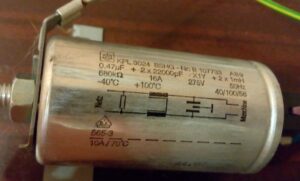
These electric motors have their own operating characteristics. For example, for an asynchronous motor to operate properly, we need a special phase-shifting capacitor. Most washing machines manufactured a long time ago used this method.
Nowadays, a special control system is used to monitor this type of engine. And testing the performance of an asynchronous motor without a dedicated test bench or machine requires some effort.
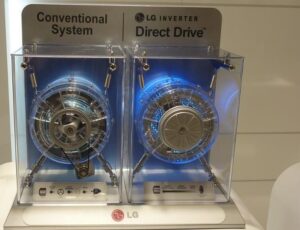
Testing a direct-drive motor independently can be equally challenging. This type of drive is used in some modern washing machine models. Testing them can be challenging because they are connected to the washing machine's drum. Furthermore, testing this type of motor also requires a control system.
Methods for testing a commutator motor
You can test brushed motors easily, even at home. Most motors of this type are connected according to the following diagram:
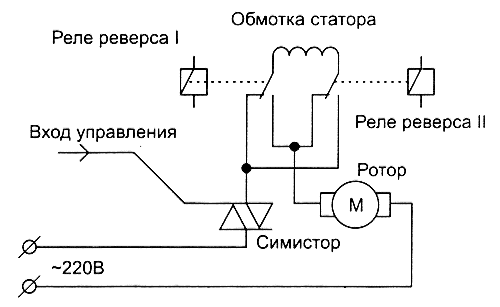
In the diagram, you can see that the engine's power supply goes along the following chain: two hundred and twenty volts - control triac - reverse relay contacts (II or I) - stator winding - and rotor.
The stator winding in the SM is switched using a relay and control unit contact blocks. All of these are located in the machine's control module.
The stator winding consists of 2 sections. This design reduces the impact of various interferences that may arise due to sparks on the collector.
The drum's rotation direction is reversed by reversing the polarity of the stator winding. Some washing machines have a stator winding tap. This tap is used during spinning. With this system, electricity is connected to one of the outer terminals and the tap described above. When the stator winding is connected through the outer terminals, the machine performs a normal wash cycle, and the drum rotates slowly.
To test the motor's operation, a specialist connects the stator and rotor windings one at a time and connects them to the power supply. See the schematic below:
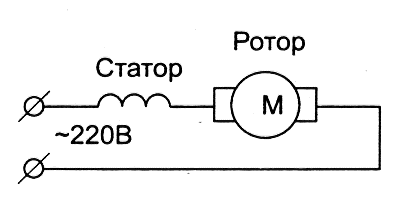
This testing method has its drawbacks, too. For example, with this type of testing, you still can't be 100% sure the motor is working properly. Even if the shaft is rotating, it doesn't guarantee that no malfunctions or subtle defects will occur under various operating conditions.
Furthermore, this circuit doesn't include any protection. If the electric motor were to short-circuit during operation, it would likely quickly fail. To avoid exposing the motor to unnecessary danger, another circuit breaker is included in the test circuit. This could be a heating element from a washing machine or a powerful lamp (over 500 watts). The ballast is connected as shown in the diagram:
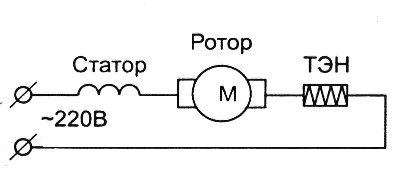
If a short circuit occurs, the heating element will increase its temperature due to the electrical current. There's also another option for checking the motor's operation. Connect the windings as shown in the second diagram and power everything using a special autotransformer with a power rating of over 500 watts. This method allows for more precise control of the motor speed and allows for a timely response to any unexpected events. To ensure the entire process is protected, you can use a 5- or 10-amp fuse.
Instead of a laboratory transformer, you can also use an electronic regulator. One designed to control loads of a given power. If you're knowledgeable in electronics, you can make one yourself using the appropriate circuit diagram.
There's another option for testing functionality. It involves monitoring the strength of the sparking between the brushes and the commutator. If it sparks strongly, the washing machine's electric motor is likely faulty.
The main causes of electric motor failure
The main reasons for washing machine motor failure may be the following:
- Malfunctions of collector lamellas,
- Breaks in rotor and stator windings,
- Worn out motor brushes.
Lamel malfunctions most often occur due to short circuits in the windings.
Broken slats
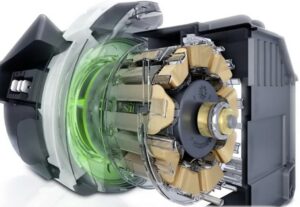
Due to damage, the fins may lose contact with the rotor winding section. They may also become excessively hot and even peel off. The fins are secured to the commutator with adhesive, and special hooks create the electrical connection to the rotor winding sections. One of the most common failures of this motor component is a broken cord in the rotor section where it connects to the fins.
It is much worse if the lamella has peeled off due to excessive heating. This type of failure occurs due to short circuits in winding sections, between the lamellas, and rotor jamming. This defect occurs because electricity passes through the lamellas at levels significantly higher than the operating level.
This can occur when the bearings seize or when a top-loading washing machine starts a wash cycle without the drum flaps locked in the closed position. More often, this slat defect indicates other motor problems or improper operation of the machine.
Minor delamination, no more than half a millimeter, can be removed by turning the commutator on a special machine. Afterward, carefully inspect and clean all parts of the part of dust and chips, and remove any burrs.
To determine if this problem exists, you can slowly spin the rotor by hand. If you hear a characteristic cracking sound, this is most likely the problem.
Worn motor brushes
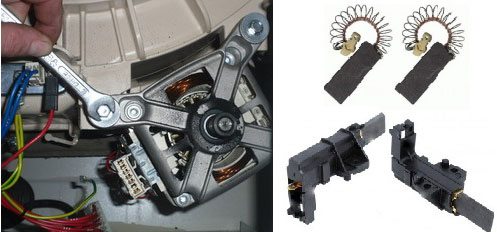
If the brushes on your washing machine's motor are worn out, it's time to replace them with new ones. You can find new brushes at specialty stores. They can also be ordered. The easiest way to find the right parts for your washing machine is to use online search engines. Google or Yandex search results will show you companies that sell these parts. You can also call them to check if the brushes you need are in stock or to place an order.
To find out if the brushes are worn out, you can use a visual inspection or check how much the engine sparks during operation.
Incidentally, quite strong sparking can occur when the brushes are still new and haven't yet adjusted to the internal components of the motor. Another reason to suspect worn brushes is that the washing machine drum isn't rotating fully. This often occurs when there's a problem with the drive belt, for example, when it's broken or slipped off the pulley. A short circuit between the turns of the motor winding can also cause this problem.
In most cases, brushes from other motors will not fit. You must purchase brushes specifically designed for your motor.
The hardness of the brushes can affect how long they last. However, very hard brushes can damage the commutator over time.
Short circuits and open circuits of rotor and stator windings
 Has the motor become less powerful? Short circuits between windings are possible. As we mentioned above, if this occurs, the washing machine drum may not rotate or may not rotate fully.
Has your electric motor stopped working? Most likely, there's a break in the stator windings. This can also occur due to excessive heating of the motor housing due to short circuits in the same motor windings. If the motor heats up to over 90 degrees Celsius, a special thermostat designed for protection will activate. The normal operating temperature of an electric motor should not exceed 80 degrees Celsius. As you've already read above, overheating and short circuits can cause the fins to detach.
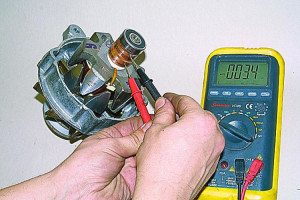
To check for an open circuit in the windings, you can use a multimeter (tester). Set it to ohmmeter mode. Then connect it to adjacent lamellas. At different shaft positions, the resistance between adjacent lamellas should be the same (from 0.1 to 0.4 ohms).
Furthermore, short circuits in the washing machine motor winding can occur due to insulation failure. Unfortunately, in this case, the entire motor will have to be replaced or the winding rebuilt. This is very difficult, and we do not recommend attempting this yourself.
A short circuit in the washing machine's motor can cause many other malfunctions. For example, the control module connector contacts may become damaged, the power triac or reverse relay may fail, and so on.
Interesting:
1 reader comment
Add a comment
Headings
Washing machine repair




For buyers




For users


Dishwasher




It was useful, thank you!