
Washing machine pump repair
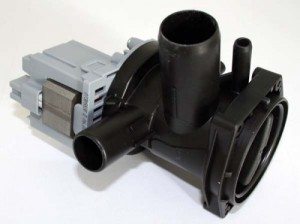 The washing machine pump is jokingly called the "heart" by mechanics. Its main function is to extract waste liquid from the drum. Sooner or later, it's time to repair the pump or replace it with a new one, because, along with the motor, this component bears the heaviest load and is subject to the most wear. In this article, we'll explain how to check the pump, how to access it, and how to repair it yourself. We hope you find this information helpful.
How to understand that the pump is faulty, what are the causes of the breakdown?
Before rushing to disassemble the washing machine and replace the pump, you should accurately determine the cause of the breakdown. It's quite possible that the pump isn't the problem at all, so we need to investigate this as thoroughly as possible. Here's how to proceed.
- First you need to listen to the pump.
- Open and clean the drain filter if necessary.
- Check and clean the drain hose.
- Check the rotation of the pump impeller, it may be jammed.
- Check the sensors and contacts going to the pump.
Some faults can be easily detected by ear, even without being a specialist, so go up to the washing machine while it's running and listen. Wait until the machine begins draining or filling water according to the program. If the pump hums and tries to work hard, but no water enters the tank, or the pump makes no sound at all, consider the problem localized.
Once you've confirmed that the pump isn't working properly, you need to determine whether it needs to be replaced or whether you can repair it yourself. First, open the drain filter and clean it of any debris.
It is possible that the pump impeller has become jammed due to a coin or bra underwire getting caught in the filter, which is why it is not working properly.
If cleaning the filter doesn't help, check the drain hose for blockages. To do this, remove the hose and rinse it with hot water. Replace the hose and run a test wash. If the pump continues to act up, you need to look further.
Next, you need to check the rotation of the washing machine's drain pump impeller. You can access the impeller without disassembling the machine, through the drain filter, which you need to unscrew. To make this easier, get a flashlight and shine it into the hole where you removed the plug.
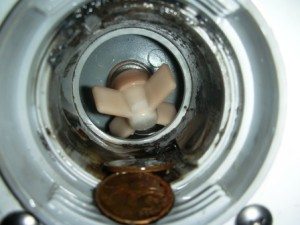
You'll see the pump impeller in the hole. Reach into the hole and spin the impeller with your fingers, checking its operation. If the impeller is difficult to rotate, try to feel for any obstructions (often threads, lint, wire, etc.). If the impeller rotates freely or the cause of the impeller's obstruction is not identified, you'll have to disassemble the washing machine yourself.
Once we reach the pump, we inspect the impeller. If necessary, the drain pump can be removed and inspected more thoroughly. If there are no threads or lint, but the impeller still does not spin well, then the problem lies in the mechanism and the pump needs to be disassembled. If the impeller rotates normally, but only works intermittently, then the problem lies in burnt contacts, a sensor, or a control unit.
If everything has been checked, but the pump still does not work, then it definitely needs to be replaced.
We select tools and components for repairs
The required tools and components will depend entirely on the nature of the problem, so we'll describe a more general approach if the pump is completely damaged. In this case, washing machine repair may require the following components:
- drain pump assembly;
- impeller;
- axis;
- cuff;
- pad;
- pulley;
- drain pump sensor;
- contacts.
When purchasing a new pump and its parts, be careful. It's best to take your old unit to a retailer that sells similar products, and a sales associate will help you make a choice. The same applies to components. Bring the disassembled pump to the store, and they'll give you the right part.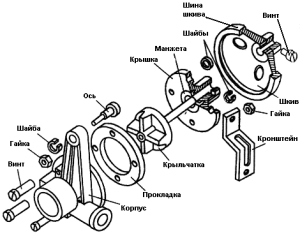
Important! If you decide to order components online, you should search for them using the numbers found on the old pump you removed.
Tools are a simpler matter. In most cases, a Phillips-head screwdriver and a pocket knife will do. However, if you need to check the functionality of electrical components (sensors, contacts, wiring), you'll need a multimeter.
How to get to the pump?
Accessing a faulty drain pump doesn't require disassembling the entire washing machine. Repairs will depend on the model and manufacturer. While some washing machine pumps are very easy to access, others are more difficult, but let's take things one step at a time.
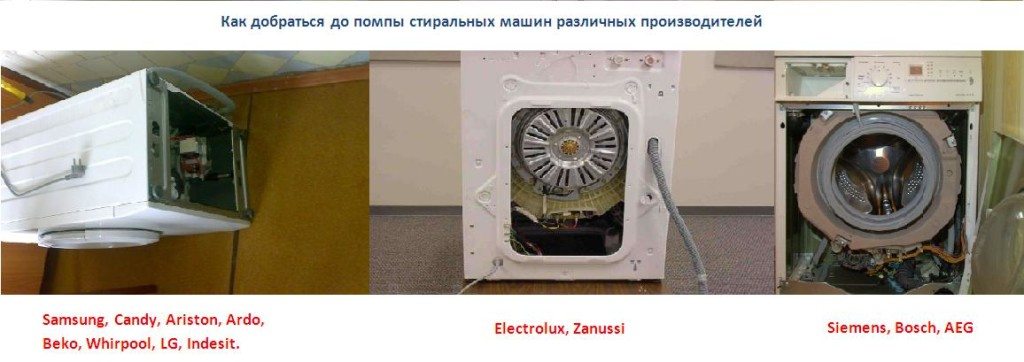
- The easiest way to access the pump is on Samsung, Candy, Ariston, Ardo, Beko, Whirpool, LG, and Indesit washing machines. To do this, turn the washing machine on its side, remove the bottom cover (if applicable), and the pump will be within easy reach.
- Things are a bit more complicated with Electrolux and Zanussi washing machines. To access their pump, you'll need to turn the washing machine over and remove the back panel, removing a few screws.
- The most difficult parts to access are the pumps of washing machines from manufacturers like AEG, Bosch, and Siemens. In this case, you'll have to remove the front panel along with the control panel. For the best way to do this, read this article. Replacing the pump in a washing machine.
Do-it-yourself repairs
As mentioned above, a washing machine pump is fairly simple in design and easy to repair. If there's no visible damage, it should be disassembled and all components carefully examined. One of the most common washing machine pump failures is impeller failure. Often, it simply falls off the shaft, causing the pump to turn on and make noise, but not pump any water. The solution, we believe, is to purchase a new impeller and install it in place of the old, broken one. 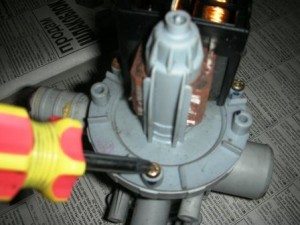
When disassembling the pump, carefully inspect all rubber gaskets. If even the slightest trace of oil wear is visible, the gaskets need to be replaced. Also, inspect all moving parts of the pump, including the pulley, for wear and replace them if necessary. Pump parts are cheap, but neglecting to replace them or using non-original parts can waste time and ultimately require replacing the entire pump.
Please note: When repairing and removing the old pump, keep in mind that it may contain a significant amount of stagnant water, so be sure to place a container or a large rag nearby.
In conclusion, it's entirely possible to repair a washing machine, or more specifically its pump, yourself, without the help of a professional. To do this, you need to study the repair instructions and other useful information, which we've summarized in our article. Good luck!
Interesting:


24 reader comments
Add a comment
Headings
Washing machine repair




For buyers




For users


Dishwasher




The website is user-friendly, everything is there, and there are detailed repair descriptions. I liked it...
Thank you for the useful information!
Thank you, everything is clear.
My pump rotor is in the water, is this normal?
Everything is clear, thank you.
This is why the impeller is falling off. How can I secure it? Glue is useless. Please help!
Replace the rubber ring on the shaft
My LG washing machine had a 30W pump. We replaced it with an Askoll 40W pump. Is this normal?
I think if it works well, then don't worry. Let it erase little by little 🙂
The pump is humming, but the impeller isn't turning. If I twist it slightly through the drain hole with a screwdriver, it starts to spin. What should I do?
I poured oil under the impeller and didn't have to disassemble anything. Everything works, but not for long.
How much does it cost to diagnose pump problems on an LS car?
Hello, I installed a new Bosch Maxx 5a pump. The impeller is spinning the wrong way. Can you tell me how to fix this problem?
Rotate the stator 180.
Ways for information, it helped!
The pump works like an old TV. It doesn't work unless you hit it. What can I do?
When the pump starts working, after knocking on it, you need to install a new one. I can't figure out one thing: how do you take it apart?
What should I do if it takes in water but doesn't drain?
Clean the drain and filter.
My rotor is wobbling diagonally, making noise when running. How can I fix this?
Thank you very much. It helped.
My Indesit washer is making a loud humming noise due to the pump or something else during the spin cycle. I took the drain pump apart and cleaned the hose. Everything was clean. I wiggled something in the hose where it connects to the drum. It worked fine for three washes and then started making the humming noise again. Can anyone tell me what it could be? Thank you.
The impeller falls off the pump
I removed the pump, took out the impeller, and there was so much black stuff inside that it was overflowing :)
I washed everything with solvent, reassembled it, and the pump still roars while working.
How can I fix it? Or should I buy a new one?