
Indesit washing machine pump repair
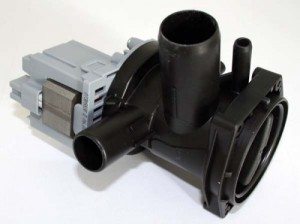
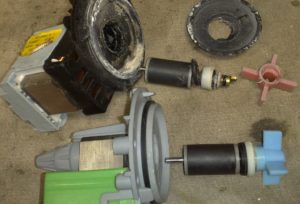 Many service center specialists rightly consider the pump to be one of the most important components in washing machines. This is because this component draws liquid from the appliance and bears the heaviest loads, making it subject to significant wear and tear. Over time, this component inevitably fails, requiring either replacement or repair of the Indesit washing machine pump to restore your beloved "home helper."
Are you sure the problem is in the pump?
First and foremost, it's always worth making sure that the pump itself is broken, and not some other component of the machine. A thorough diagnosis will clearly demonstrate whether the pump is damaged or whether the drainage has stopped for some other reason. To do this, you should check several components of the washing machine.
- Drain pump. You can tell if the pump is working by ear, so listen to this part. Simply start the cycle and listen carefully to the sounds the machine makes. Pay close attention to the filling and draining of water—if you hear a loud humming sound from the bottom of the washer, but the machine itself doesn't drain or fill, there's a problem with the pump. The same applies even if there's no noise at all; a steady hum should be present during a normal cycle.
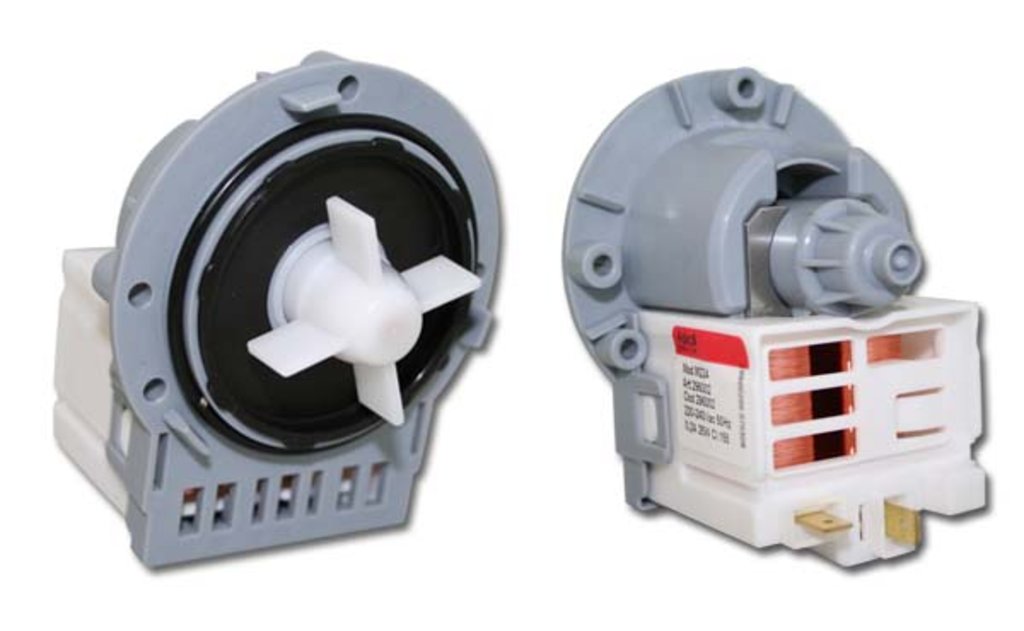
- Waste filter. If there are obvious drainage issues, you should also pay close attention to the waste filter. To do this, open the access panel in the lower right corner of the washing machine and unscrew the plastic cap. It's common for the filter to become clogged with hair, dirt, and other foreign objects, which prevents wastewater from draining into the sewer.
The dust filter often gets clogged with coins, buttons, and bra underwires, so always carefully inspect your clothing pockets before washing, and try to wash underwear in a separate laundry container.
- Drain hose. This problem is often caused by a clogged drain hose. To confirm this, carefully examine the rubber element, or simply detach it from the housing and rinse it with a powerful stream of hot water. After these steps, test the washing machine to see if the drain problem has resolved.
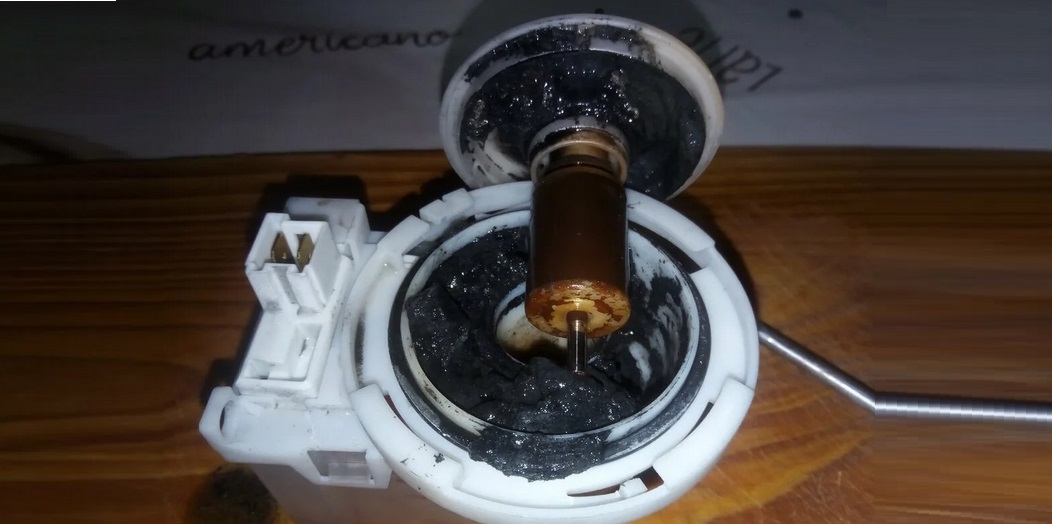
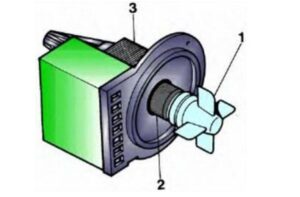
- Impeller. The impeller itself is another potential problem, as it may no longer rotate freely due to various contaminants. To test this, open the drain filter and try to spin the pump impeller, which looks like a small wheel with blades, with your finger or a thin stick. If movement is difficult, it's likely clogged with the same debris that often clogs the filter. If movement is consistently good, continue investigating the cause of the problem.
If none of the four tests listed above yield results, then the contacts and sensors of the drain pump should be examined. If there are no problems with them, then you will have to check the functionality of the washing machine control unit. If the unit is in good condition, the only option left is to replace or restore the pump, which we will discuss in the next section.
Everything you need for repairs
To repair a pump yourself at home, you'll need a small set of tools. The list of tools needed depends solely on the nature of the problem—how severe it is. A complete pump repair kit consists of the following items: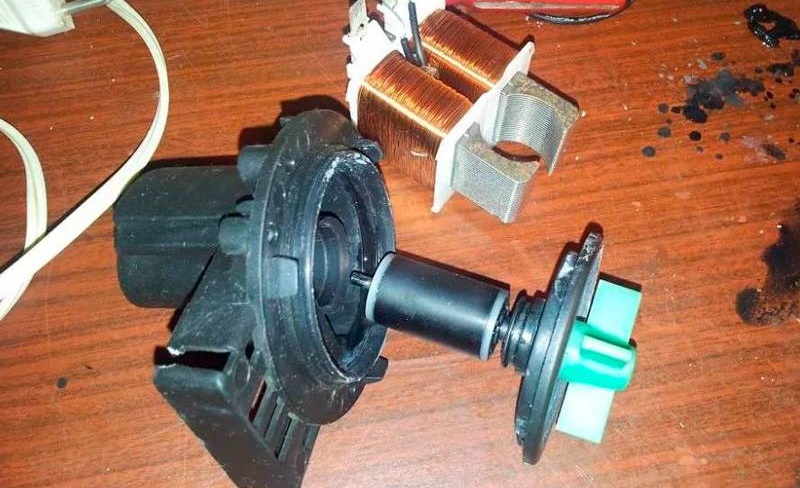
- impellers;
- axes;
- contacts and sensors;
- cuffs;
- rubber gasket;
- pulley.
Never buy new parts by eye, otherwise you may accidentally buy an item that is not suitable for your equipment.
The most reliable way to purchase new components is to disassemble your "home assistant" first, remove the damaged parts, and take them with you to the store as a sample. With a sample, the sales assistant will be able to easily find the same part or an equivalent. You can also write down the serial numbers of the components you need to find in the store. This method is especially relevant for ordering parts online, where it is most convenient to search by serial numbers.
As for tools, things are much simpler. Basically, you'll need a regular pocket knife and a Phillips-head screwdriver. You can also buy a standard multimeter, which is needed to check the contacts and windings.
Gaining access to the pump
Indesit washing machines don't differ much from each other, so finding the drain pump won't be a problem. You don't even have to completely disassemble the washing machine, remove the back panel, top cover, tray, or front panel. All you need to do to gain easy access to the drain pump is: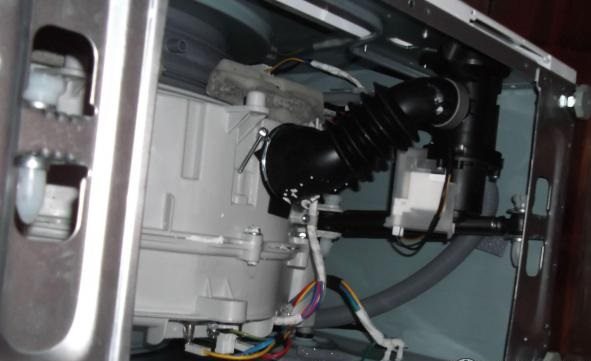
- disconnect the equipment from the power supply;
- remove the waste liquid from the drum, for which you need to use the emergency drain;
- disconnect the equipment from the water supply;
- Place the machine on its back, first placing rags, carpet or towels underneath it to avoid scratching the body or floors.
If you are unsure of your abilities, you can always contact a service center for professional diagnostics and repairs.
At this point, the preparations are complete – all that remains is to look under the bottom of the “home helper” to gain access to the drain. If this preparation option does not suit you, or there is too little space in your bathroom or kitchen, then the household appliances can be moved to a larger room and laid on their left side.
We disassemble and study the pump
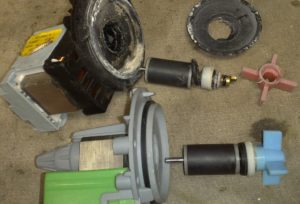
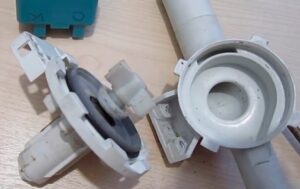
The most important part of pump repair is disassembling it. This is how you can determine whether the impeller rotates on the shaft, whether the clamps hold it securely, and whether there's any dirt, foreign objects, hair, or other debris inside. If the impellers rotate freely, only then will you need to thoroughly disassemble the housing to find the source of the malfunction inside the unit. How do you properly disassemble the part?
- We disconnect the pump from the snail, for which we need to remove the fixing screws.
- We press on the pump from the drain side, and then pull the housing towards us.
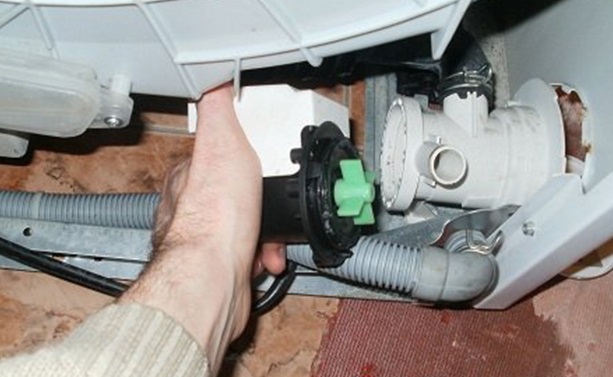
- We remove the remaining waste liquid from the pump.
- We pry the latch on the pump body from both ends to remove the pump from the reel.
This applies to a pump that can be disassembled. If your equipment is equipped with a non-disassemblable component, that doesn't mean repair is impossible. In that case, you'll just need a different manual.
- We disconnect the pump body together with the impeller from the snail with the coil.
- Using a hair dryer set to the lowest temperature setting, carefully heat the long rear end of the part.
- After a couple of minutes of this procedure, use a screwdriver to pry the crosspiece out of the housing. Along with the element, you'll also remove the magnet, which is preventing proper pump disassembly.
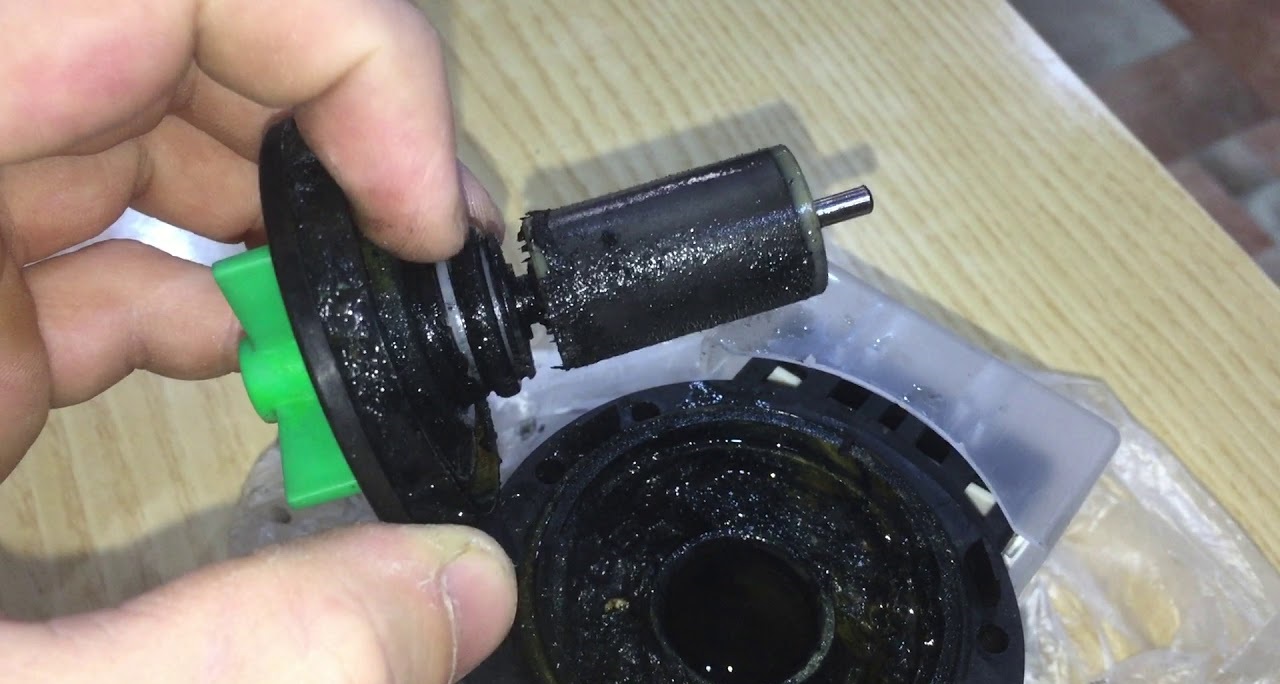
- We clean the seat and the element itself from all contaminants accumulated during operation.
- We remove the magnet and lubricate its bearing with a special mixture. The second bearing, located at the very bottom of the part's housing, should also be lubricated.
- After this, you should install all the elements in their places, following the instructions in reverse order.
- When installing the top part of the case, you should hear a characteristic click, and also make sure that the sealing rubber is securely in place.
Be sure to clean the pump seat, volute, impeller and pipes before installing a new or refurbished part into the washing machine.
This article applies to situations where the drain pump can be repaired by yourself or with the help of a professional. If the component is beyond repair, you'll need to purchase a new unit and install it in its place using one of the instructions described above.
Interesting:
Readers' comments
Headings
Washing machine repair




For buyers




For users


Dishwasher




Add a comment