
Samsung washing machine pump repair
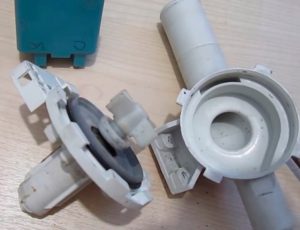 Technicians often call a washing machine's pump the "heart" because it circulates water throughout the machine, much like a blood supply. This task places the part under tremendous strain, often resulting in premature wear. Eventually, the pump breaks down, and the machine stops working with a full tank. Drainage problems are resolved by diagnosing, replacing, or repairing the washing machine's drain pump. The instructions and recommendations below will help.
We determine the pump malfunction
The lack of a full drain does not always mean that the pump is faulty. Problems with water circulation can also cause other drainage problems, such as jamming, clogging, or loose connections. Therefore, there's no need to rush into disassembling the machine and removing the pump from the housing. It's better to try to diagnose and isolate the problem.
Experts recommend following the following plan for the initial diagnosis of the drainage system:
- "listen" to the pump;
- check and clean the drain filter;
- make sure the drain hose is clean;
- turn the pump impeller;
- inspect the wires and terminals connected to the pump.
Modern Samsung machines, equipped with a display and self-diagnostic system, are able to display an error code on the screen.
Now, let's take a closer look. First of all, it's recommended not to interrupt a running cycle, but to wait until the water fills or the next drain. Approach the washing machine and listen: during the rinse or spin cycle, the pump runs smoothly and makes a moderate noise, gradually filling or emptying the drum. If the pump hums but the drum remains full, or if no sound comes from the machine, the "heart" is not working properly.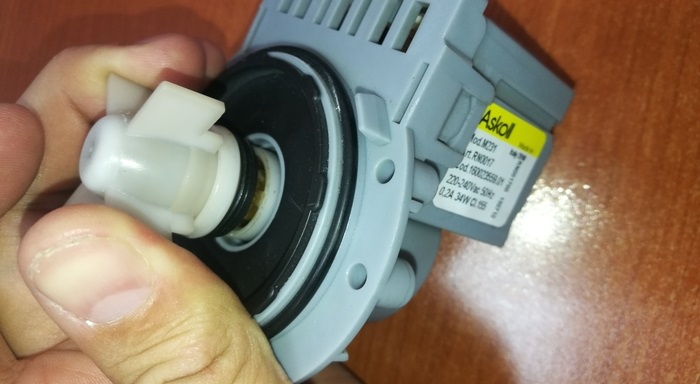
Next, we try to determine the nature of the malfunction. First, we unlatch the access door, remove the debris filter, and clean it of hair and dirt. While we're at it, we inspect the hole cleared of the coil. It's possible that a bra underwire or key has gotten stuck in it.
Next up is the drain hose. A simple blockage or a thick layer of scale on the walls can cause stagnant water. To test this, detach the hose from the drain pipe and the housing, rinse it under the tap, or soak it in a vinegar solution. Then, replace the rubber seal and run a test cycle. If the pump hums again and can't handle the load, continue the diagnostics.
Checking the impeller
A blocked impeller also prevents complete drainage. A forgotten key in your pocket or a bra underwire that has fallen out can jam the pump blades and stop the washing machine from working. Fortunately, it is not difficult to detect and fix a problem of this kind.
In most cases, repairs can be completed without disassembling the washing machine. Simply unscrew the drain filter and shine a flashlight into its mounting area. At the end of the "tunnel," you'll see the pump impeller—a plastic wheel with blades. Insert your fingers into the opening and try to get it moving.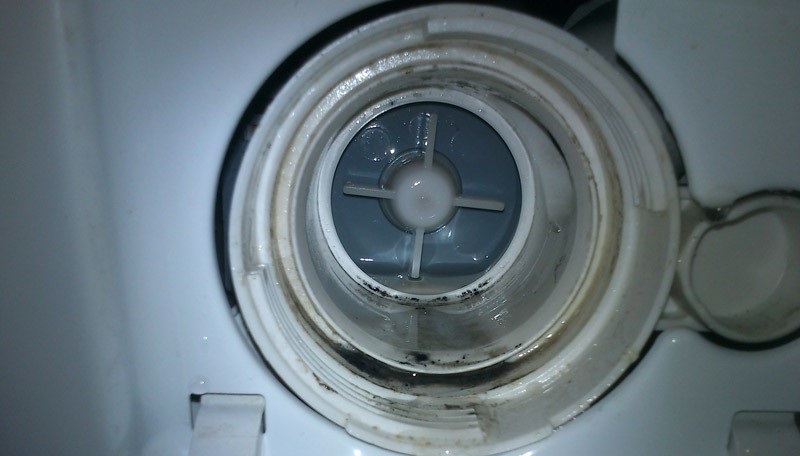
- If the impeller isn't rotating, you need to feel for the stuck object. Often, this is a clump of hair or wool, a coin, the aforementioned bone, or a piece of wire. Once the foreign object is removed, the problem will be solved.
- If the impeller spins but periodically stalls, the problem lies in burnt or loose contacts. A faulty control board can also negatively impact the impeller's rotation.
Foreign objects such as hair, coins, keys, or children's socks that get into the drum can block the pump impeller.
If the inspection yields no results—the impeller rotates freely or stops but shows no visible obstruction—you'll have to disassemble the washing machine and remove the pump. For further diagnostics, you'll need to handle the pump.
How to dismantle the pump?
To inspect and, if necessary, repair a Samsung washing machine's pump yourself, you'll first have to remove it. This is difficult to do on most models. The difficulty is that to remove the part you need to disassemble almost the entire end of the machine. If we talk schematically, the order of actions is as follows.
- Remove the washing machine's lid by unscrewing the two screws holding the top panel in place on the back panel and pushing it away from you. The panel will slide off the plastic clips and easily come out of place.
- Disconnect the instrument panel. Remove the dispenser by pulling the tray toward you, then unscrew the bolts hidden underneath. Next, release the screws around the perimeter of the instrument panel and carefully unhook it from the housing. Don't touch the wires: simply set the circuit board aside on top of the housing or hang it along the side wall.
- Remove the waste filter. Follow the procedure described earlier: open the service hatch and unscrew the waste filter. It's important to remember that some waste water always remains in the washing machine, so it's best to place a small filter cap or some old rags nearby.
- Loosen the clamp on the cuff. Open the hatch door, locate the outer metal ring, and use pliers to remove the clamp.
- We unscrew the bolts holding the end.
- Slowly unhook the end panel from the housing. Once the panel has moved a few centimeters, manually disconnect the wires from the door lock. The wall panel can then be removed without any problem.
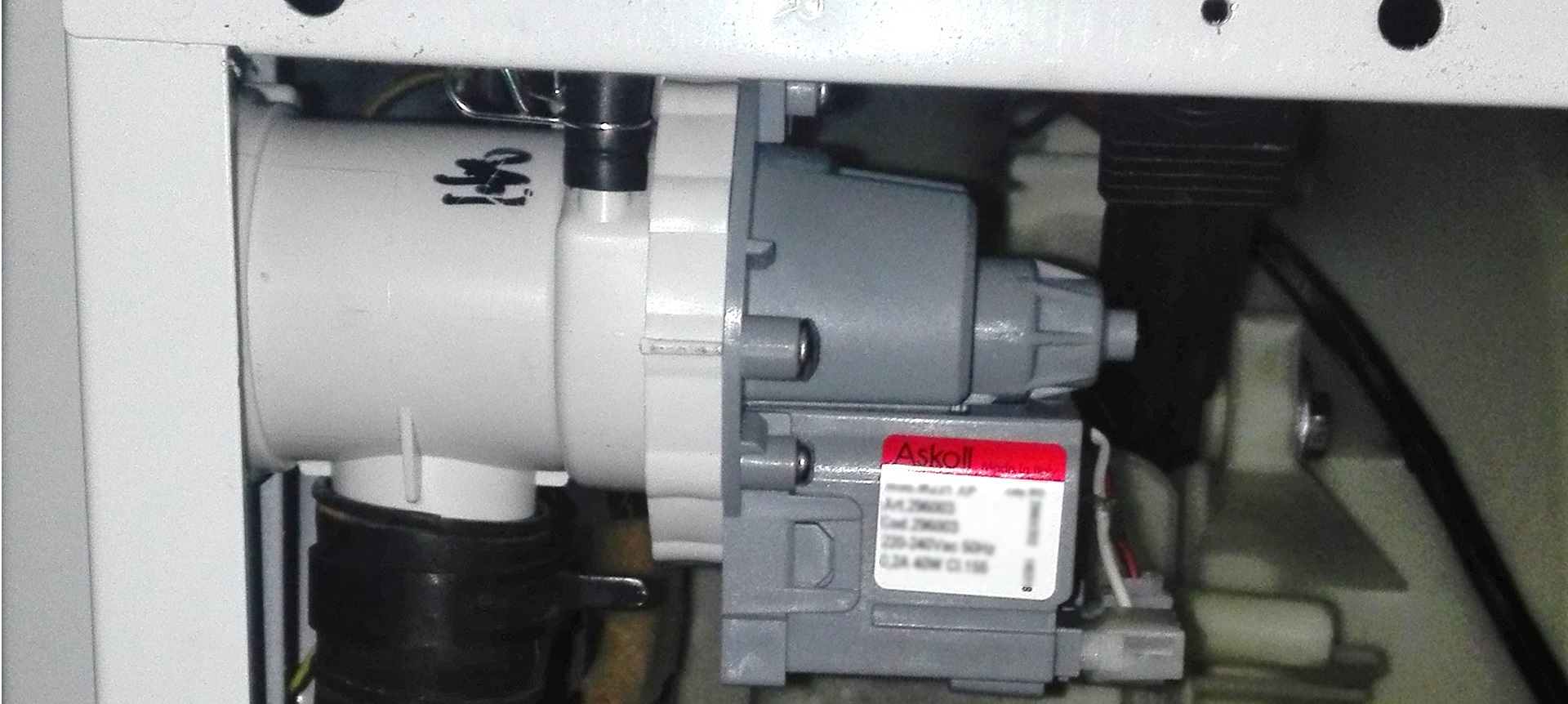
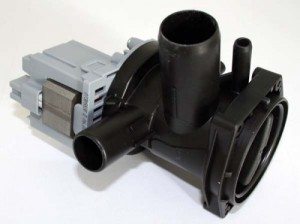
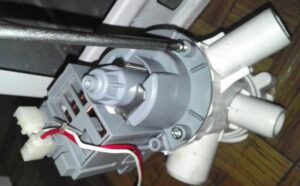
After removing the front panel, the entire internal structure of the Samsung washing machine is revealed. All that remains is to locate the pump, unscrew the bolts holding it in place, release the latches, loosen all the clamps on the connected pipes, and separate the pump from the housing. Now, place the "heart" of the machine on a dry, flat surface and begin the repair.
Restoring the pump's functionality
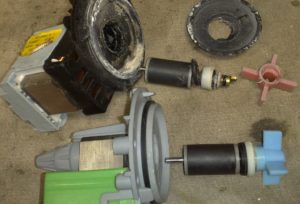
The washing pump has a simple design, making it easy and inexpensive to repair. First, inspect the removed part for obvious damage—chips and burn marks will indicate the cause of the malfunction. If there are signs of burnout or cracking, the unit will need to be replaced.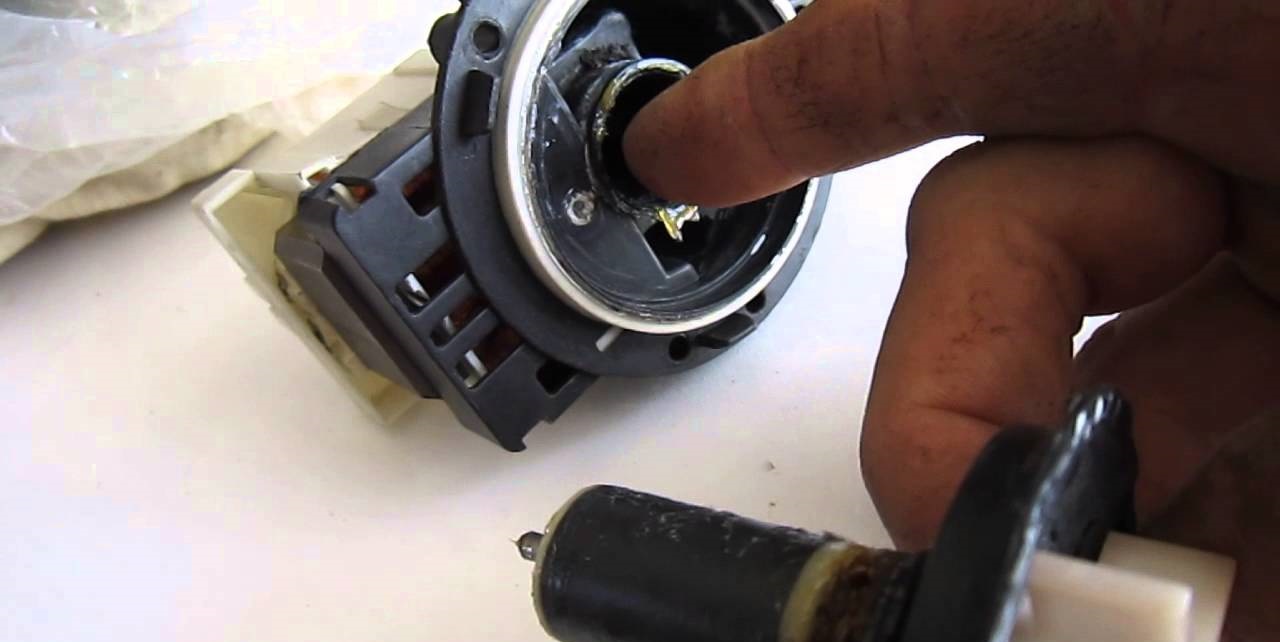
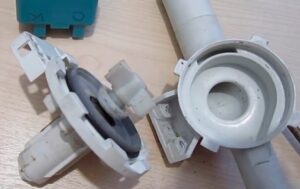
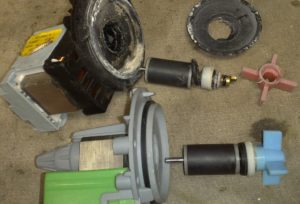
More often than not, the problem isn't with the pump itself, but with impeller failure. Typically, the impeller comes off the axle, preventing the pump from functioning properly. The solution to the problem is to remove the broken part and install a working equivalent in its place.
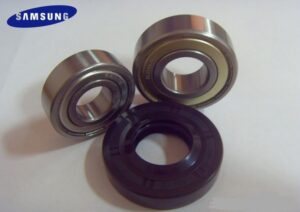
You should also pay attention to the rubber seals. They often deteriorate and show signs of wear. Next in line are the moving parts of the pump and the pulley, which, if damaged, should be replaced with new ones. If you replace all suspicious parts and don't skimp on original spare parts, the repair will be smooth and effective. It's important to remember that a lot of water remains inside the pump, so keep rags and a basin handy.
Interesting:
Readers' comments
Headings
Washing machine repair




For buyers




For users


Dishwasher




Add a comment