
DIY Daewoo washing machine repair
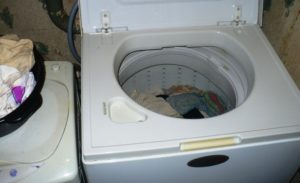 Korean washer-dryers have earned the trust of consumers thanks to their high build quality and reliability, combined with an attractive price. However, no matter how durable the machines are, individual components can fail over time. Let's look at how to repair a Daewoo washing machine and quickly resolve any issues.
Self-diagnosis system
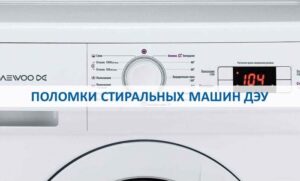
Most modern Daewoo washing machines can independently diagnose faults that occur in the system. Thanks to electronic control, the equipment detects the problem and notifies the user about it by displaying a specific error code on the screen. Semi-automatic machines without a screen alert the owner of a malfunction by flashing a light on the control panel. Let's look at the most common malfunctions of Daewoo units and their codes:
- The OE error indicates a problem with the drainage system. A malfunctioning water pump or damaged power lines leading to the pump could be the cause. A clogged debris filter or other drainage system components should not be ruled out. Another possibility is that the drain hose is incorrectly connected or severely kinked.
- The IE code indicates that water is being drawn into the drum very slowly or not at all. In most cases, this error code does not indicate a problem with the machine's system. Perhaps you forgot to open the inlet valve, preventing the washer from filling with water. Insufficient water pressure in the water supply could also be the cause. If this isn't the case, check the inlet hose for kinks or blockages, and clean the filter located on the inlet tube. Much less commonly, this code indicates a faulty pressure switch, which regulates the water level.
A faulty solenoid valve cannot be ruled out.
- The UE error may appear on the display during the wash cycle and indicate an imbalance in the drum. Another cause for the code is improper installation of the washing machine, for example, if the washing machine is placed on an uneven surface or not leveled. Very rarely, this error indicates a defective counterweight.
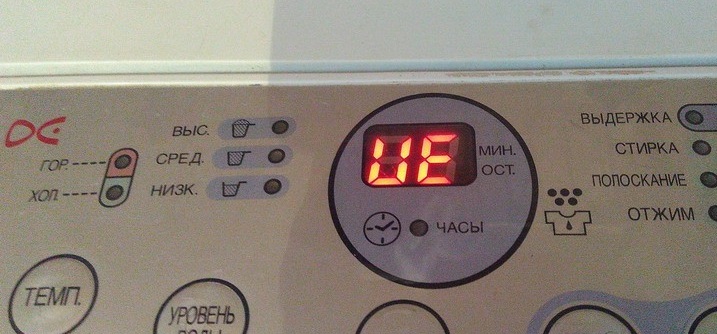
- LE – reports that the hatch doesn't close tightly. The door locking mechanism may be faulty. The hatch may also be warped due to worn hinges.
- E8 – a code specific to vehicles equipped with a load sensor. This error indicates a faulty measuring element and the need for a new load sensor.
- E9 – this symbol on the Daewoo display indicates a faulty pressure switch or a broken level relay. You should check the hose leading to the water intake sensor and ensure it is tightly connected to the element. The pressure switch may need to be replaced.
- H6 – Error code warns of a break in the heating element's electrical circuit. In most cases, the heater itself is damaged, requiring replacement.
Understanding common fault codes can save you a lot of time troubleshooting your washing machine. Knowing the error codes significantly narrows down the troubleshooting process for system malfunctions.
Typical breakdowns and their causes
By evaluating the error codes listed, you can understand which components and parts of Daewoo washing machines are the most vulnerable. As with cars of any other brand, the heating element and fluid level sensor most often suffer from problems, and the drain filter becomes clogged. In addition, Daewoo washing machine owners face the following problems: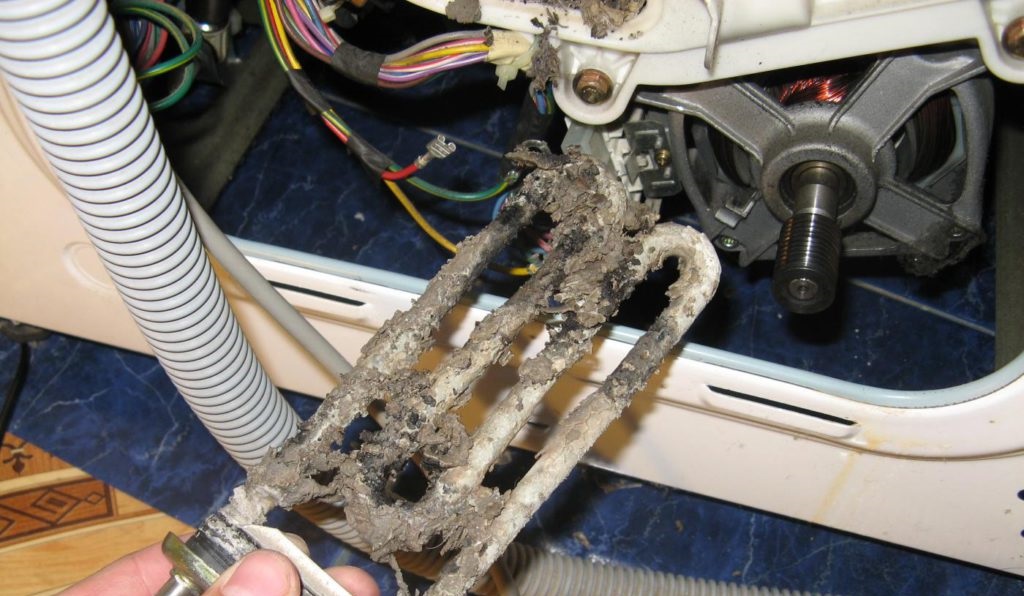
- A malfunction of the main control module. This can be indicated by many factors, such as the washing process stopping prematurely or, conversely, a program taking an excessively long time to complete;
If the machine does not spin the clothes, this may also indicate a failure in the electronics.
- clogging of the mesh filter in the water intake hose;
- failure of the temperature sensor, as evidenced by insufficient heating of the water or the cessation of the machine’s operation during washing;
- drive belt break;
- leakage from under the hatch door due to a worn sealing cuff, etc.
The above-mentioned faults are common in both Daewoo top-loading and front-loading washing machines. These components are vulnerable in all washing machine models. The drum, which is susceptible to rust and wear, is also a weak point.
To extend the period of maintenance-free use of a Daewoo automatic car, you should be aware of the following:
- rapid natural wear and tear of components;
- intake of too hard and polluted water into the system;
- power surges in the electrical network;
- poor quality detergents getting into the dispenser.
Some types of problems are quite possible to fix yourself. Before you begin, you need to carefully examine the problem and realistically assess your capabilities. Let's look at how to fix the most common problems.
We repair the water level sensor
A malfunctioning pressure switch may be indicated by slow water intake or no water flowing into the washing machine. Access the component and inspect it for damage. The procedure is as follows:
- remove the top cover of the unit housing;
- Find the pressure switch on the wall of the machine, near the cover mount;
- Disconnect the hose from the sensor. You may need pliers for this;
- Replace the hose and blow into it using a thin tube. If the pressure switch is working properly, you should hear a distinct clicking sound;
- inspect the tubes for defects.
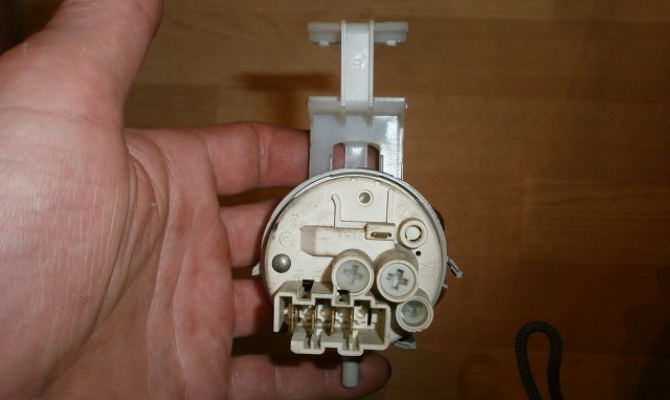
If you find damage to the pipes, you need to replace them; if you find a blockage, you need to clean it. If the tubes stick, you will have to replace the pressure switch completely.
We're troubleshooting water intake issues
This type of malfunction can also be resolved independently, without the help of a professional. In most cases, simply cleaning the water inlet filter and the inlet hose itself will suffice. Follow these steps:
- gain access to the back wall of the machine;
- disconnect the water intake hose;
- At the end of the pipe you will find a mesh filter that needs to be removed and thoroughly cleaned;
- Additionally, inspect the inlet hose and rinse it with water.
After reassembling the machine, run a test wash. If the error persists, inspect the inlet valve and replace it if necessary. If you can't resolve the issue yourself, it's best to contact a professional.
Interesting:
2 reader comments
Add a comment
Headings
Washing machine repair




For buyers




For users


Dishwasher




Your machines are a bit different, with the heating elements. Ours just fills with hot and cold water. The problem is, you can't remove the lid of the machine; it's unclear where it's held, all the screws are missing. It's a vertical-drum machine.
Remove the 2 plugs on top, there are self-tapping screws underneath them