
DIY Vyatka-automatic washing machine repair
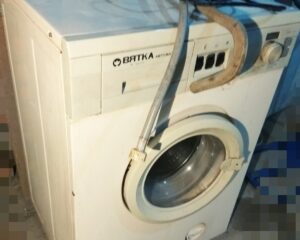 Vyatka-automatic washing machines, produced back in the early 2000s, are still serving their owners well. However, it's important to understand that a washing machine that's been in use for over 20 years can break down at any time. Then, the user will have to decide whether to repair the machine or buy a new one. We'll explore the common problems of older machines and explain how to troubleshoot them yourself.
Problems with the engine variator pulley
Sometimes repairing a Vyatka washing machine can be complicated by finding the right parts. Since these machines were manufactured a long time ago, finding the necessary replacement parts can be difficult. However, it's possible to find parts from more modern machines that are suitable for older machines.
Speaking of typical problems, the Vyatka-automatic machine's variable speed drive pulley often breaks. When this happens, the centrifuge fails to pick up speed during the spin cycle, and the washing machine makes a lot of noise during operation. However, the main wash cycle runs normally.
This failure is caused by normal wear and tear. The retaining ring slips off the pulley shaft, and the plastic coupling fasteners are damaged. This disrupts normal engine operation.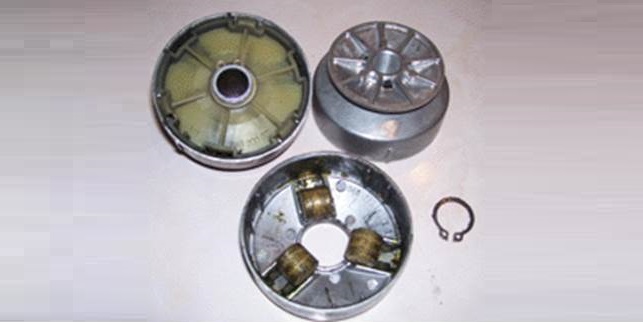
To repair a Vyatka-automatic washing machine yourself, you'll need a puller, a hacksaw, and a chisel. Simply removing the variable speed drive pulley from the shaft won't work; it will have to be broken apart using tools.
It is necessary to remove the variator pulley very carefully so as not to damage the shaft itself and the motor.
Finding the right spare part specifically for the Vyatka model can be problematic. If the original part is not available, it can be replaced with a standard pulley, the outer and inner diameter of which is 28 and 16.5 mm, respectively. A similar element is found in Candy AQUAMATIC8T 31081680 machines.
The drum rotates poorly
Another common problem with Vyatka washing machines is a drum that barely rotates. This problem is especially noticeable when the machine is using the "Wash" and "Rinse" cycles. This "symptom" can occur for several reasons.
- The drive belt has stretched. To confirm this, you'll need to remove the rear (for front-facing models) or side (for vertical models) panel of the body and inspect the belt. To tighten the belt, move the motor downward. This is easy: loosen the right nut and rotate the motor around the left bolts that secure it to the tank. When finished, retighten the nut.
- The motor capacitor has lost power. The element is located inside the housing. To fix the washing machine, the capacitor will need to be replaced.
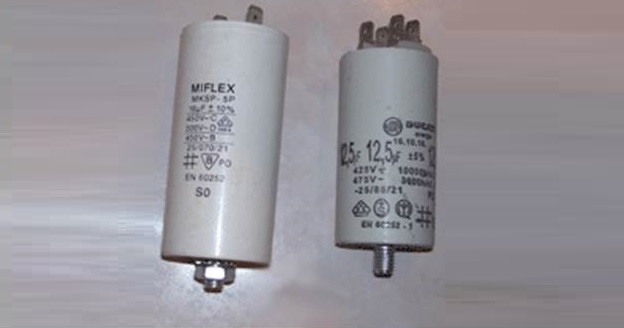
- Motor failure. The main symptom of motor problems is a burning smell emanating from the washing machine while it's running. Motor problems usually occur when water comes into contact with it. Therefore, carefully inspect the drum walls for cracks.
If the tank is indeed leaking, it's worth considering whether it's worth repairing your Vyatka washing machine.
Both the tank and the motor will need to be replaced. In this case, it's better to pay a little extra and buy a new, modern machine rather than spend the same amount on parts for an old "home helper."
The machine stopped turning on
If your Vyatka suddenly stops turning on, you'll need to check the operation of the door locking device and the two-pole "Start" button. Diagnostics should begin with testing the lock. To do this, remove the drum sleeve and dismantle the locking device. After removing the locking device from the housing, short-circuit terminals 3L and 1C, as well as terminals C and L. Next, turn on the machine. If there is no change in the device's operation, the problem lies with the button.
If the problem is truly with the locking system, and it's impossible to find a replacement, you can short-circuit the previously described terminals, insulate the contacts, and replace the locking system. This will eliminate the electronic lock from the circuit, leaving only the mechanical latch.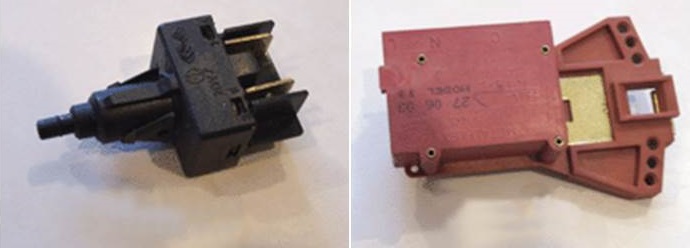
If the problem is with the button, it needs to be replaced. Finding the original part can also be difficult. If a similar part is unavailable, you'll have to determine the faulty terminal by testing it.
Once the faulty pole is identified, you need to short-circuit its terminals and insulate the contact. This way, the Vyatka-automatic machine will only turn on with one pole. If there's a single-pole button on the control panel that you don't use, you can run the wiring to it. Then, the washing machine will be started with this button.
There is no spin cycle or adjustment
In some cases, the washing machine rinses the clothes smoothly, but then refuses to spin them. The spin function on the Vyatka-automatic washing machine may be absent due to a faulty tachogenerator. Power surges can easily burn out the triacs in the speed controller module. To repair your "home assistant," you'll need to: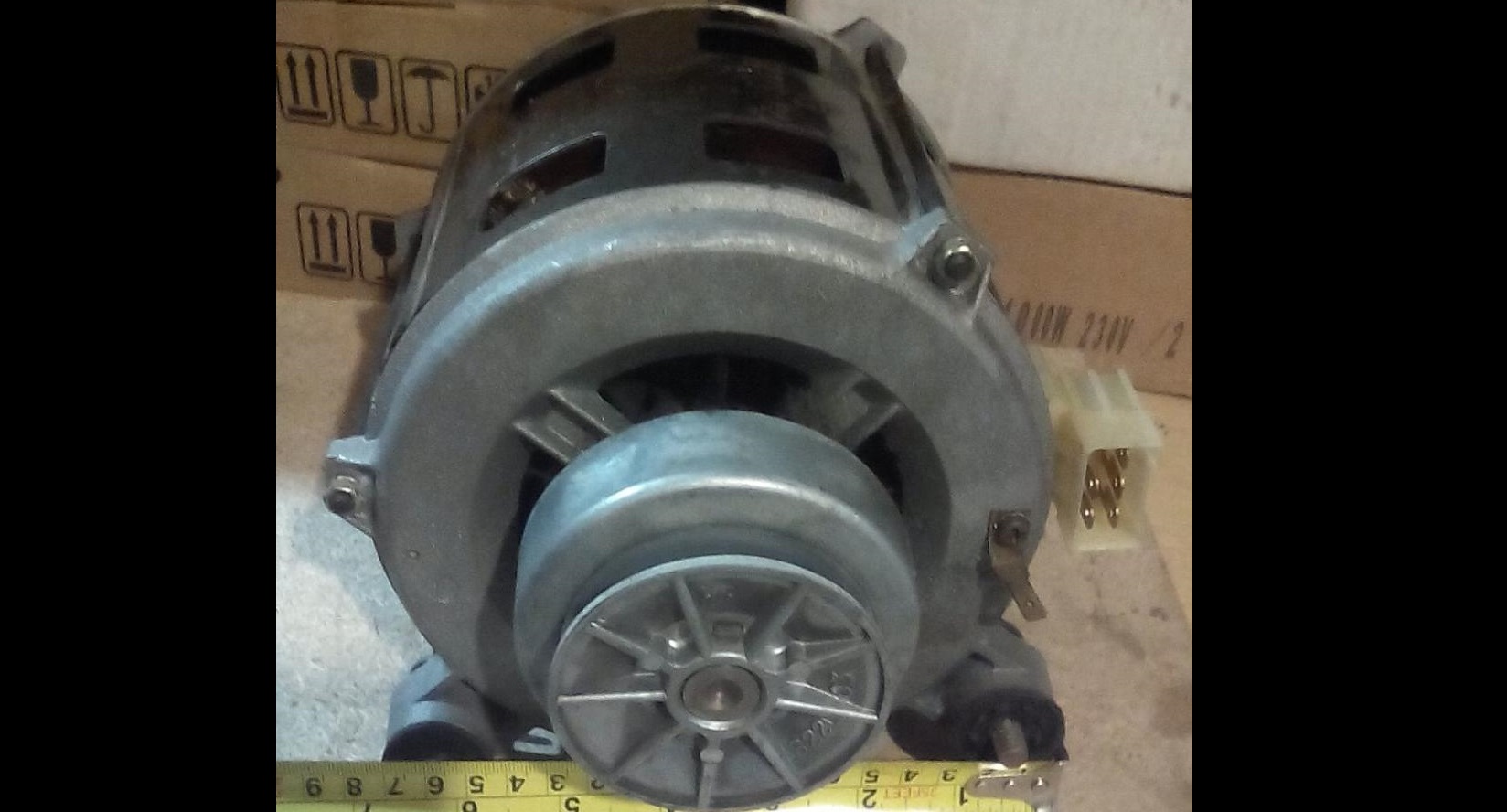
- clean the electric motor block;
- restore and insulate the terminals on the block;
- replace the resistor on the speed control module.
When working with an electric motor, exercise extreme caution. Before beginning any repairs, be sure to de-energize the equipment and shut off the water supply. Only then can the housing be disassembled and the motor removed.
In most cases, a Vyatka-automatic washing machine can be repaired relatively inexpensively. Even if original parts are no longer available, it's acceptable to use similar components from other brands. However, sometimes repairing an older "home helper" isn't practical—the cost of repairs can be comparable to purchasing a new, modern washing machine.
Interesting:

Readers' comments
Headings
Washing machine repair




For buyers




For users


Dishwasher




Add a comment