
Washing machine lock repair
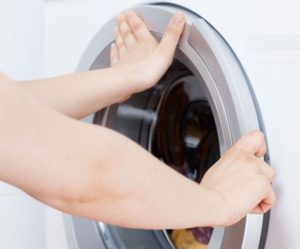
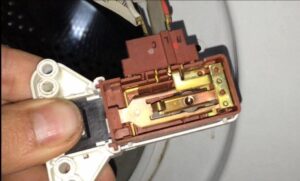 Without a door locking device, washing a front-loading machine is impossible, as there's a risk of accidentally opening the door, leading to flooding. However, sometimes the door locking device remains locked even after the wash cycle is complete, making it impossible to empty the drum and continue using the machine. Let's find out if it's possible to repair a washing machine's door locking device yourself and finally open the door.
Let's look into the reasons why the lock breaks.
There are three main reasons why a locking mechanism fails. The first is wear and tear. Over time, the mechanism wears out because the bimetallic plate is constantly exposed to high temperatures and becomes thinner. The weaker the plate, the less secure the locking mechanism, which eventually leads to failure. In this case, the only solution is to replace the locking mechanism.
The second reason is a problem with the model's electronics. There are two main possibilities:
- The power supply voltage fluctuates, causing the thermocouple to "break down" and stop heating. As a result, the chain reaction between the plate and the clamp doesn't start;
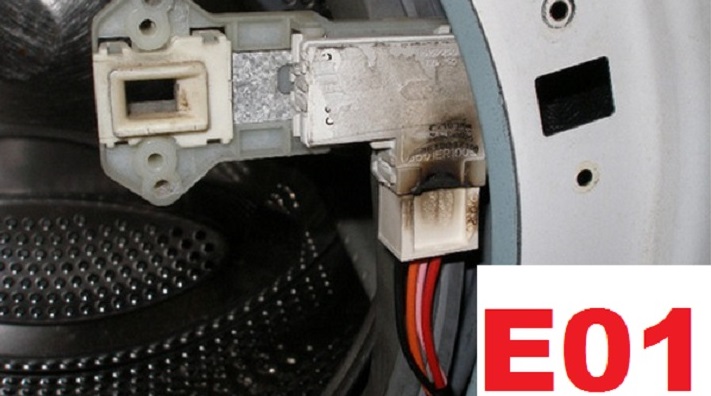
- Closes the triac on the control board, which supplies current to the locking mechanism. As a result, the current flow is not interrupted, and the lock is not cleared.
The third type of problem is mechanical. The latch on the door lock can sometimes break, preventing the device from working properly. The hatch may also not open at all for reasons unrelated to the door lock. For example, the door hinges may be deformed or something may be sagging.
Important! To avoid problems of this kind, never allow children to ride on the door or hang wet laundry on it!
Diagnostics with a tester
Every washing machine should come with an electronic circuit diagram. Before diagnosing the locking device, it's important to examine the device. Determine the location of the phase, neutral, and common contacts before removing the locking device.
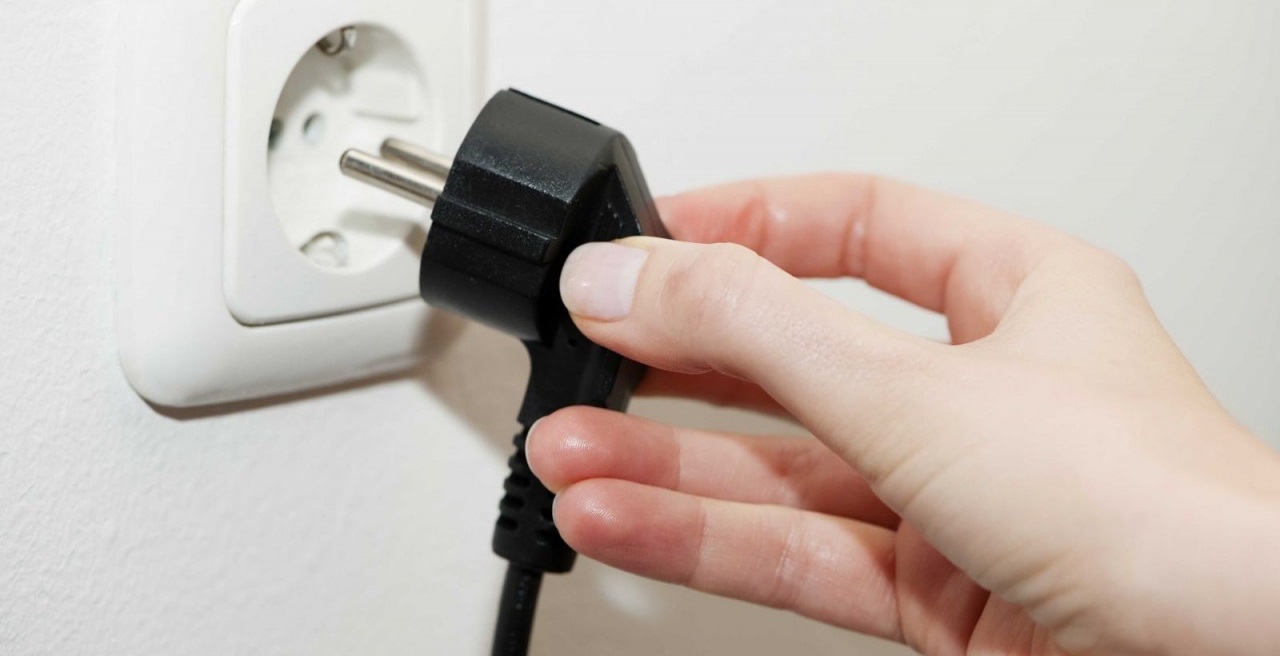
- disconnect the washing machine from all communications;
- open the hatch door;
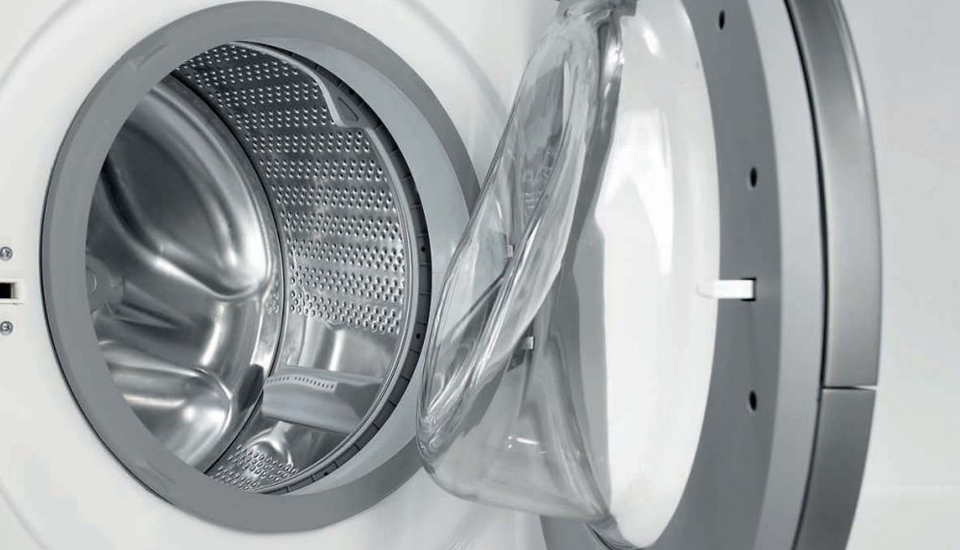
- unscrew the two UBL holder bolts on the right side of the hatch;
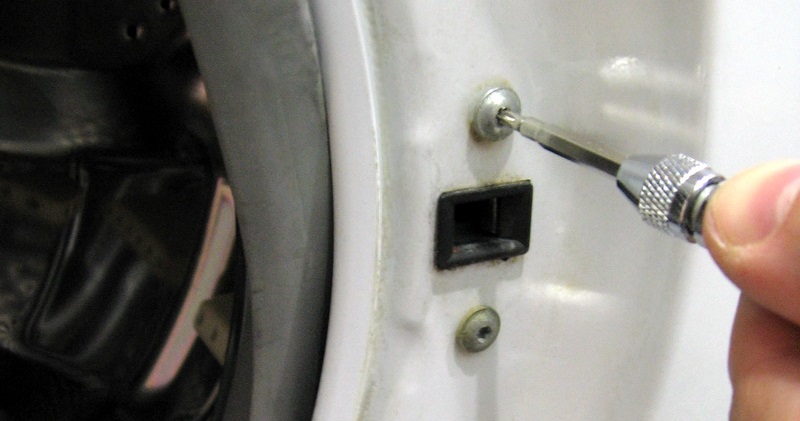
- unscrew the bolts holding the top cover of the CM;
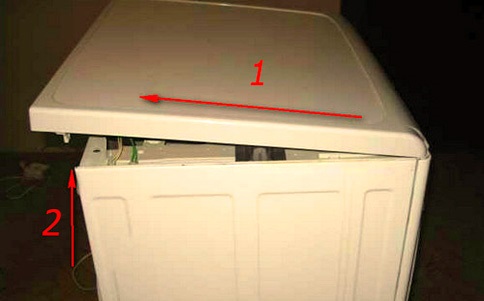
- push the cover towards the back wall and remove it;
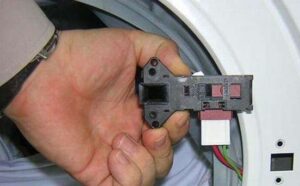
- run your hand down to the right of the hatch door and feel for the UBL;
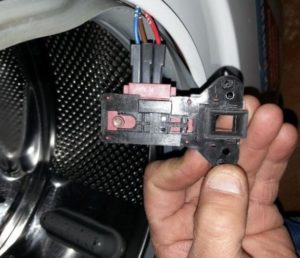
- Disconnect the wiring and remove the device.
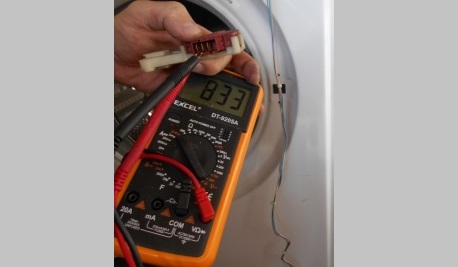
Now take a multimeter and set it to measure resistance. Place one probe on the live wire and the other on the neutral. If the multimeter display shows a value less than three digits, you can stop testing and replace the locking device. If not, move on. Connect a blank wire to the common wire and to the live wire. Use a screwdriver to move the locking device to the working position and connect it to the power supply. A working device will click, but a faulty one will not.
We repair the lock ourselves
So, the hatch locking mechanism itself is quite simple. In fact, there's hardly anything to break. Therefore, it's quite easy to fix yourself, as long as you're careful and follow the instructions. So, here's what you need.
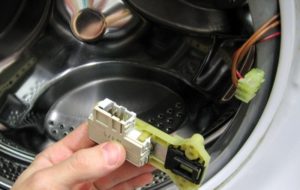
- Disassemble the locking device. It consists of 3-4 metal parts and 2-3 plastic elements. You don't have to disassemble everything completely, but you'll need the metal parts. To disassemble the locking device, you'll need a small screwdriver. On one side of the device (the plastic one), there is a small screw or several screws that need to be removed. Once you've done this, you can easily disassemble the device. If the metal parts are stubborn, gently pry them off with a screwdriver to avoid bending or deforming anything.
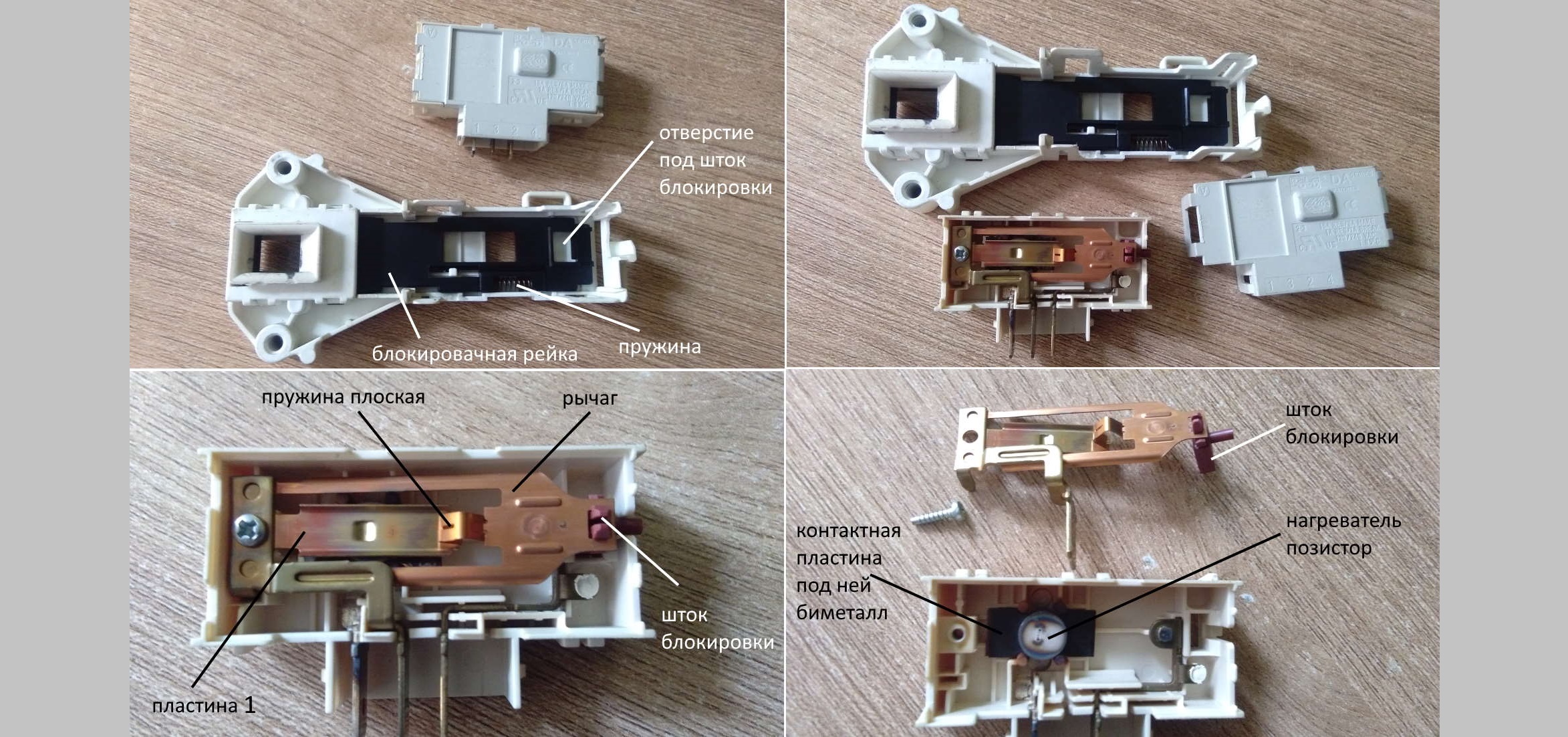
- Clean the metal parts to ensure they are free of oxidation, rust and dirt (upper and lower bimetallic plates, metal cylinder and the copper breaker itself with two contact points and a connector). The breaker can be identified by the small spring inside it..
- Take the circuit breaker and remove the spring. This can be done without any special tools, simply by pressing with your fingers.
- Select a spring of the same size, only tighter, so that it holds the lock better.
- Put the breaker back in place and secure it.
Now you can test the locking device contacts again with a multimeter. If the problem was truly with the device, cleaning the metal parts should help restore the desired resistance level. As for the spring, a more resilient new part will work better, preventing the locking device from wobbling. The above steps are hardly a complete repair, but sometimes they do help. If the problem is more serious, it's easier to buy a new lock.
Interesting:

Readers' comments
Headings
Washing machine repair




For buyers




For users


Dishwasher




Add a comment