
What program should I use to wash a blanket in an LG washing machine?
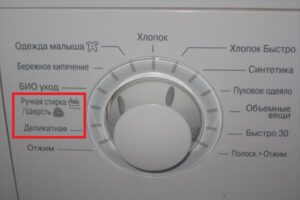 Before throwing your blanket in the washing machine, make sure the manufacturer allows it to be machine washed. Check the blanket's care label for all the instructions. This cleaning method is usually acceptable, but it's still worth checking.
The washing cycle for a blanket depends on the material it's made of. Let's explore which programs on LG washing machines are theoretically suitable for this task. We'll also explain how to dry a blanket properly.
Selecting a suitable algorithm
A throw blanket is an incredibly cozy item. It rarely gets dirty, so there's no need to wash it every few days. Cleaning is necessary approximately every 2-4 weeks, as the blanket collects dust, hair, and pet dander.
Washing a bulky blanket by hand can be difficult—it becomes very heavy after getting wet. Therefore, most housewives prefer to machine wash their bedspreads. Before throwing it in the washing machine, it's important to determine what material it's made of.
The most common home blankets are wool, fleece, cotton, bamboo, plush and cashmere.
Any of the materials listed above requires careful handling. Do not wash bedspreads in hot water or spin them at high speeds. Such drastic measures can damage the fabric fibers, cause deformation, and lead to fading.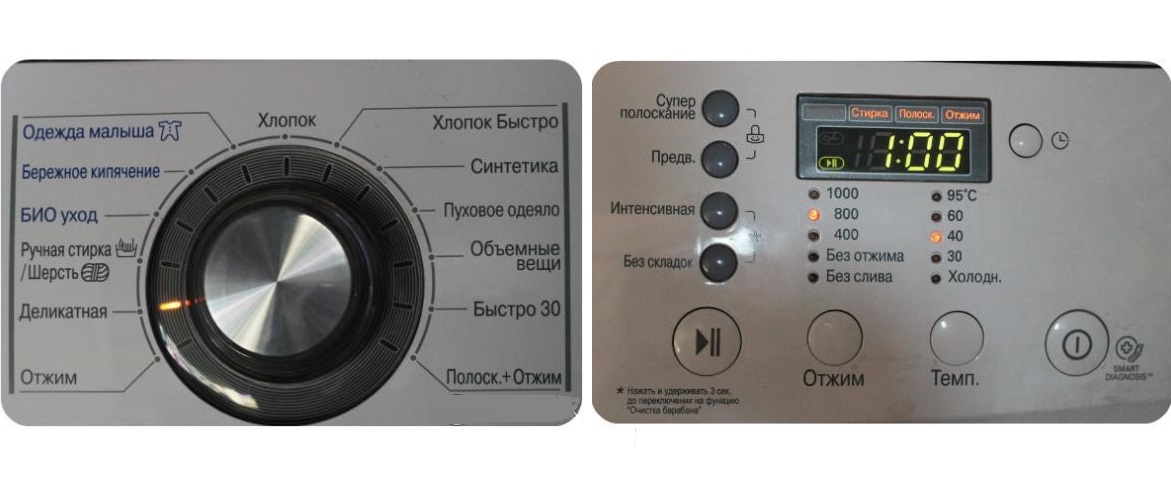
Which program should you choose if you have a blanket loaded into the drum? The best programs for caring for bedspreads are “Delicate” or “Hand wash”. These modes are provided in any automatic machine.
The water temperature when washing a blanket should not exceed 40°C. The appropriate spin speed will depend on the material. Durable blankets can be spun at 800 rpm. If the blanket is prone to deformation, avoid spinning it; it's better to remove moisture using traditional methods. Let's look at the care instructions for different fabric types.
The product is made of fleece
Fleece blankets are a true household favorite. They're soft, gentle, incredibly warm, and provide a sense of comfort. This material doesn't require any special care. A fleece blanket is machine washable.
There are a few rules to follow when machine washing a fleece blanket:
- the water heating temperature should not exceed 30°C;
- spinning is possible, but at low speeds (the fleece may stretch if the drum rotates too fast);
- It's best to use liquid detergents: gels, balms. Powders don't dissolve well in cool water and aren't completely washed out of fabric fibers.
- The bedspread must be washed separately from other items.
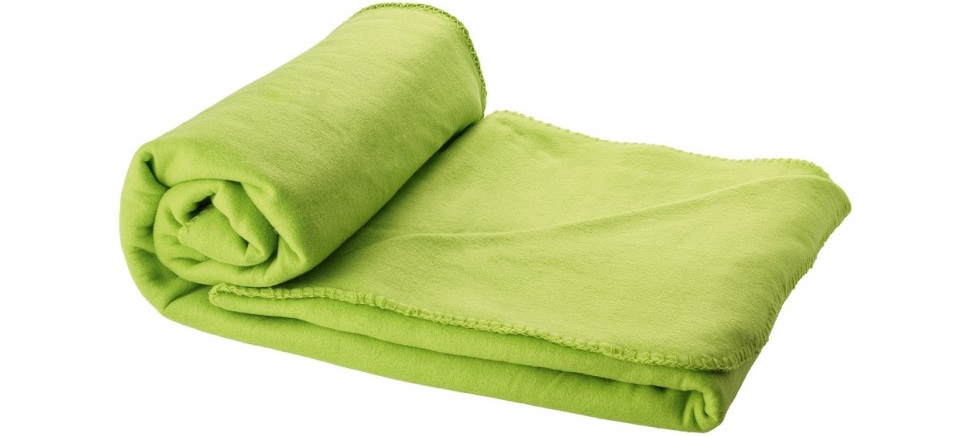
Throwing a single blanket into an LG washing machine can make the drum feel too empty. Therefore, many users try to add more items to the load. This isn't a good idea—the lightweight blanket will get wet and take up most of the spin cycle.
Even if you spin a fleece blanket on the lowest setting, it will dry fairly quickly. This is another advantage of this fabric.
Long-pile synthetic blankets
A blanket with a long, thick pile is called "Grass." Caring for this fluffy product is somewhat more difficult than for fleece. When choosing a machine-washable blanket, follow these guidelines:
- To avoid damaging the pile, wash the fabric at a temperature no higher than 40°C;
- It's advisable to use a special laundry bag. This will preserve the bedspread's appearance and prevent the pile from looking worn.
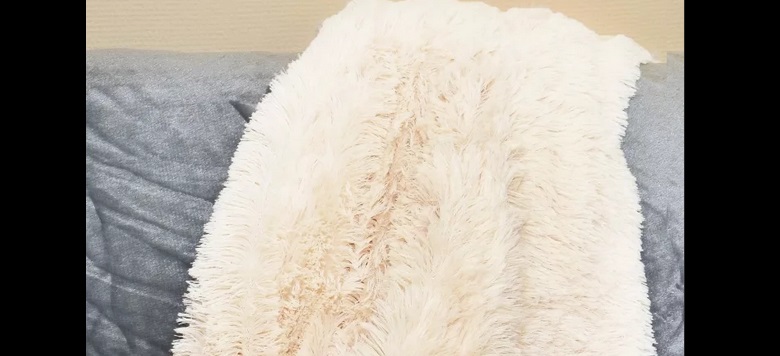
- Only use liquid detergents for washing. Powder granules will get stuck in the fibers, making it difficult to rinse them out completely;
- The washing gel should not contain chlorine – this aggressive component can damage the fabric;
- Automatic spinning of "Grass" is possible, but at a speed of no more than 400 rpm.
After removing a long-pile blanket from the LG washing machine, be sure to shake the fabric.
Shaking will help straighten the pile and shape the bedspread. After the item has dried, it's a good idea to brush it with a clothes brush to fluff up the pile.
Caring for a plush product
Soft plush blankets are usually machine washable. Unless the label says otherwise, feel free to throw the item in the drum. Of course, as long as you follow a few rules:
- choose a delicate wash program;
- the water temperature should not exceed 40°C;
- It's best to turn off the spin cycle or select the lowest speed. This will help preserve the garment's shape;
- Use liquid laundry detergent to ensure it is completely washed out of the plush fibers.

It's best to add the "Extra Rinse" option to the main wash cycle. Also, keep in mind that a plush blanket will become very heavy after being wet. So, consider whether your LG washing machine can handle this load.
Washing wool products
Natural wool blankets are very warm, making them so popular in the home. It's best to hand wash these blankets to preserve their shape and the properties of the material. If you decide to throw a wool blanket in the washing machine, follow these guidelines:
- The temperature should not exceed 30°C. At higher temperatures, the wool will lose its shape;
- Only liquid detergents intended for the care of woolen products are allowed for use;
- Automatic spinning is strictly prohibited. After removing the blanket from the drum, be sure to dry it naturally. Otherwise, the blanket will become covered in wool "icicles."
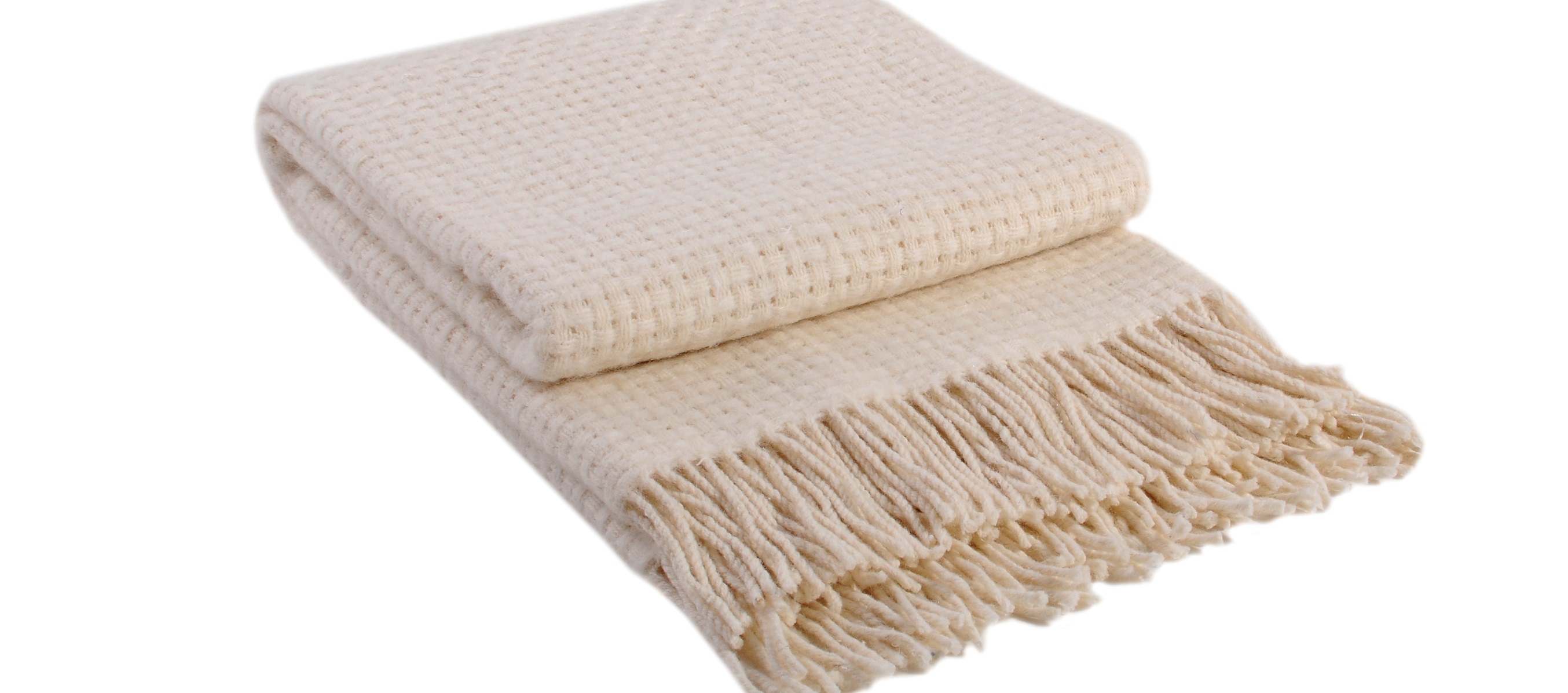
These simple recommendations will help you maintain the shape of your product. When washing a wool blanket in a washing machine, it is better to turn on the “Extra Rinse” function. This will ensure that no detergent particles remain in the fabric fibers. After removing the blanket from the drum, shake off excess water and lay it flat to dry, away from direct sunlight.
Removing moisture without deformation
Now that you've mastered the machine washing process, you need to figure out how to dry the item. This process also has its own nuances. To ensure the bedspread retains its shape and color vibrancy, follow a few recommendations.
- Dry the blanket by laying it flat on a surface, such as a drying rack. To prevent dripping water from damaging the flooring, place a basin or some old rags underneath.
- It's important to protect the bedspread from direct sunlight. Ultraviolet rays will negatively affect the material, causing it to fade and lose its softness.
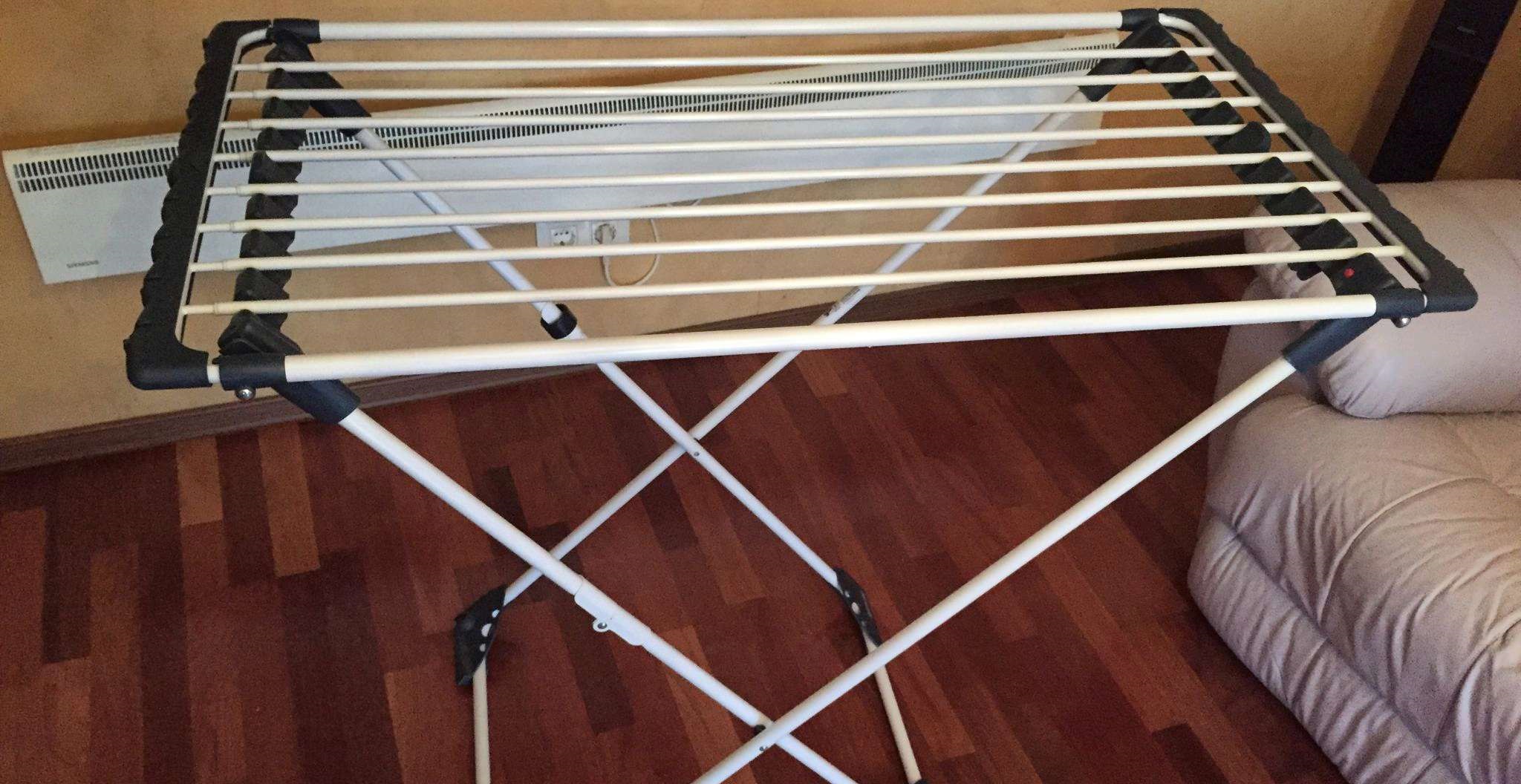
- Avoid exposing the fabric to high temperatures. A bedspread hung on a radiator or near a heater can easily become deformed.
- Avoid hanging your bedspread on a clothesline or clothes rail. This can cause the blanket to stretch.
- When drying flat, it's important to straighten the blanket completely. This will help prevent creases in the fabric.
These recommendations apply to both synthetic and natural blankets. Products may only appear warp-resistant at first glance. In reality, a single violation of care instructions can seriously damage the blanket's appearance.
Interesting:


Readers' comments
Headings
Washing machine repair




For buyers




For users


Dishwasher




Add a comment