
The "Sport" program in the washing machine
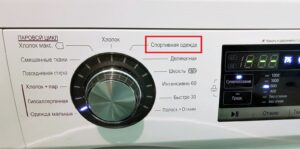 Many washing machines today are equipped with special programs for washing sportswear. These programs are typically called "Sport." However, it's not easy for modern users to figure out which sportswear can and cannot be washed in the "Sport" program. For example, is the "Sport" program contraindicated for water-repellent membrane fabrics? And what's so special about this program? Let's find out.
How does such a program work?
High-quality sportswear these days is made not from simple fabrics, but from high-tech, complex materials with properties that natural fibers cannot withstand. These materials allow for easy movement, don't interfere with sweating, and allow the skin to breathe. However, the more complex the fabric, the more vulnerable it is. Therefore, care instructions for each individual item should be found on the manufacturer's label.
Important! As a rule, washing such items in the washing machine is only permitted on a special "sports" cycle.
The automatic parameters of this program are as follows:
- The washing duration is usually 70 minutes, but it may change due to manual settings of some parameters;
- spinning is provided, but at very low speeds (not higher than 600);
- the water is cool - not hotter than 30 degrees;
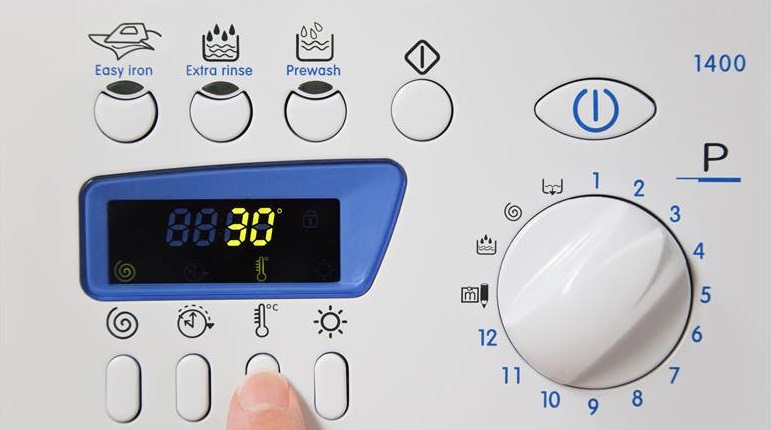
- During the cycle, the drum rotates very slowly and sometimes stops completely, as if soaking the clothes.
However, program duration should be determined individually, as it may vary from washing machine to washing machine. The exact wash time is specified in the machine's instructions.
Recommendations for washing sportswear
To ensure your sportswear lasts a long time and stays looking great, throwing it in the washing machine and running it through the wash isn't enough. There are also a few helpful care tips.
- Be sure to soak clothes before washing.
- Wash your clothes immediately after every workout. It's the bacteria living on your skin that feed on sweat that causes unpleasant odor. If you dry sweat-soaked clothes and then wear them again, no antiperspirant will save you or those around you from the pungent odor, as it will add another layer of bacteria and dirt to the existing buildup.
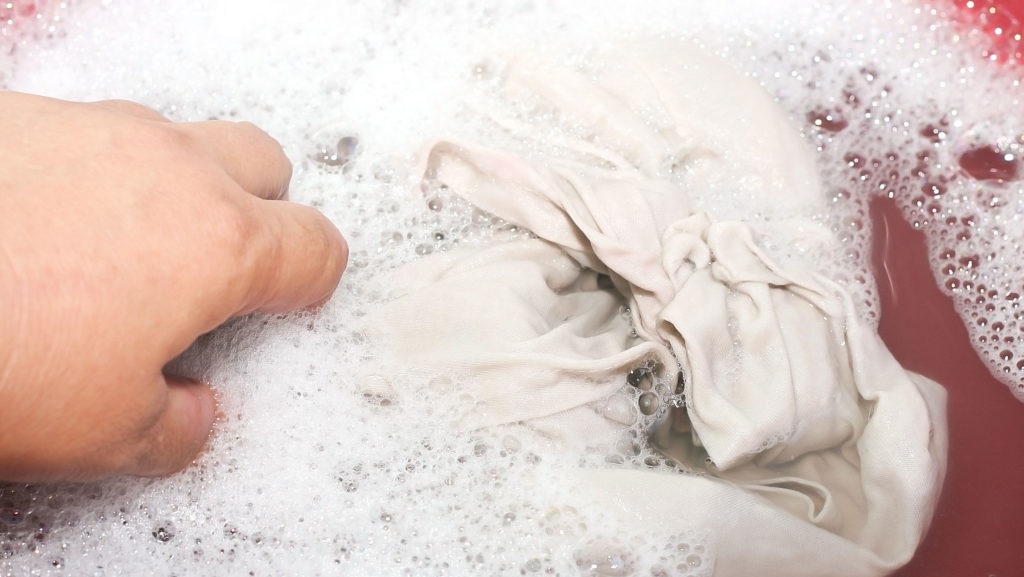
- If you can't wash your sportswear right away, simply pre-soak it in a vinegar and water solution. The acid in the vinegar will kill odor-causing bacteria. The ratio of water to vinegar is one-quarter, or 2 liters of water for 500 grams of vinegar. Soak the items in the solution for 15-30 minutes and then dry. Alternatively, dry the laundry completely before placing it in the hamper to prevent mold.
Remember that any emergency methods for removing dirt, sweat, and unpleasant odors, although effective, are no substitute for proper washing.
It's also helpful to use gel detergent instead of powdered laundry detergent. Modern sportswear is made of water-repellent synthetic materials that absorb detergent during washing. As a result, the washing powder accumulated in the seams and pores of the fabric can cause serious allergic reactions when it comes into contact with skin that is hot during training and then afterwards. Furthermore, during exercise, a person breathes more actively, forcing them to inhale the powder molecules. This won't happen with gels.
The gel can also be used before washing to remove stubborn sweat or deodorant stains. Apply a small amount of gel to the brush and scrub the affected areas. After washing, they will be completely gone.
Don't overload the drum. Before placing clothes in the drum, close all zippers and pockets, and turn the items inside out.
Caution! Never add fabric softener. It coats the garments and prevents odors and bacteria from escaping. This will not only worsen the garment's appearance but also destroy the fibers, depriving it of its unique properties. It will take several more washes to remove the fabric softener.
The aforementioned vinegar works great as a fabric softener. Add half a cup to the fabric softener compartment before the rinse cycle, and your clothes will feel as soft as if they had just been rinsed.
Although it may seem that the hotter the water, the better the wash, this is not true. Elastic fabrics become deformed and damaged when exposed to high temperatures. So, they should be washed in cold or lukewarm water, as sports programs require. The same goes for drying; hot air is contraindicated, so if you do use a machine dryer, use only the lowest temperature setting.
Interesting:

1 reader comment
Add a comment
Headings
Washing machine repair




For buyers




For users


Dishwasher




Thank you for the helpful and detailed recommendations.