What cycle should I use to wash jeans in an LG washing machine?
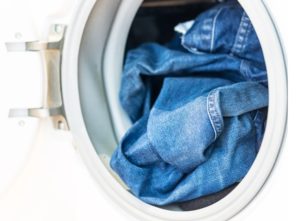
Jeans are a staple in almost everyone's wardrobe. They're comfortable, easy to move, practical, and never go out of style. Although denim is a very dense and tough material, it still requires special care. Here are some machine washing tips to help preserve your jeans' shape, color, and quality. Let's look at how to choose the right washing cycle for your LG washing machine to ensure the gentlest possible cleaning.
Which program is more suitable?
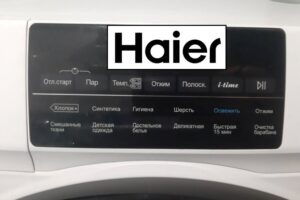
Before loading jeans into the washing machine, carefully read the garment's tag. The tag will always indicate whether the item is machine washable. If so, feel free to place the garment in the drum, add your favorite detergent, and run the wash cycle. LG washing machines offer different wash cycles depending on the specific model. However, most machines offer common wash cycles. The following cycles are acceptable for cleaning jeans:
"Quick 30". In cases where the denim fabric is not heavily soiled;
"Hand wash" is suitable when the jeans are quite dirty;
"Delicate." Ideal for denim items with a moderate degree of soiling.
You can run the program without manually changing its settings. Optionally, you can activate the "Super Rinse" function, which will help better remove detergent from the fabric fibers. When washing jeans, it is not recommended to set the spin speed to more than 800 rpm, or the water temperature to more than 40°C.
If you notice that your favorite jeans are fading, it’s best to wash them at 30°C.
Tips for machine washing
Automatic washing machines have long been an essential household appliance. Today, doing laundry is a hassle-free and enjoyable task, with the "household helper" doing all the heavy lifting. These machines can easily handle washing jeans. To get your favorite pants looking their best, it's not enough to simply throw them in the drum and start the machine. It's important to remember the washing machine cleaning recommendations for denim.
Before placing pants in the drum, make sure there are no loose items in the pockets. Coins, pins, bills, paper, and other items are often left in pants. Foreign objects accidentally inserted into the machine can damage not only the fabric but also the internal components and components.
If the item has leather inserts, wipe these areas with glycerin. This treatment will prevent the leather from cracking during washing.
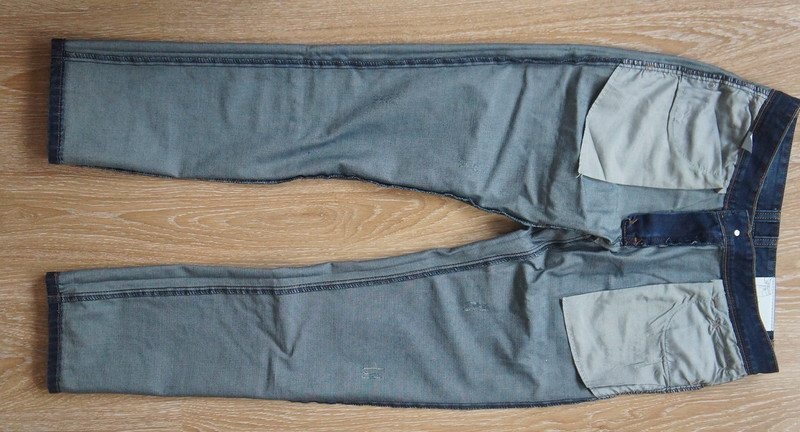
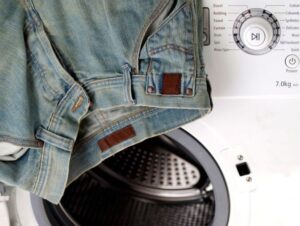
Always turn your trousers inside out. This is essential for both the jeans themselves (they won't lose their shape) and the drum surface (metal inserts and fasteners won't damage it).
It's best to wash jeans in a special bag. If you don't have one, you can place them in a pillowcase.
Please observe the washing machine manufacturer's maximum load limits. Denim pants are quite heavy when wet, so this is important to keep in mind.
Don't forget to sort your jeans. Light-colored pants should be washed separately from dark ones. Blue and black jeans often fade. This can ruin light-colored items, giving them a dull, dirty appearance.
The recommendations are quite simple and universal. It's permissible to wash denim items with other items, but they should be made of similar fabrics and colors.
What to wash with?
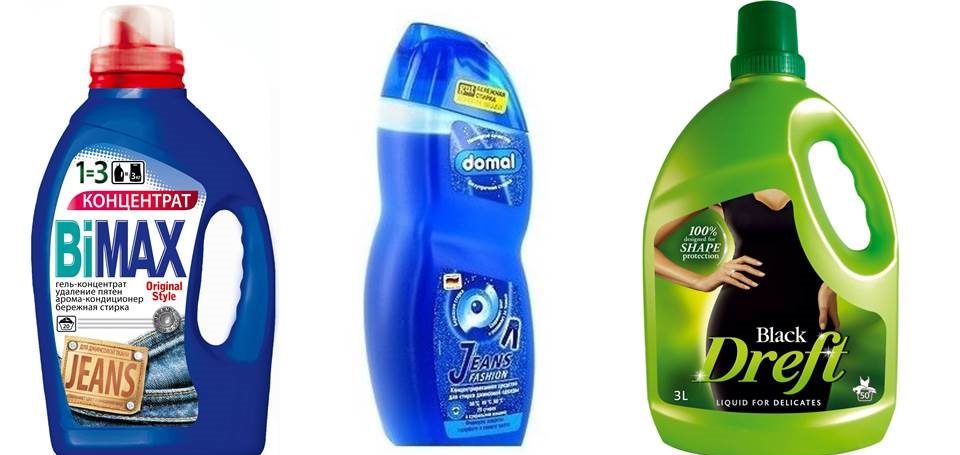
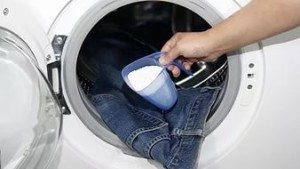
Choosing the right detergent for your denim is equally important. A liquid gel detergent is the best option. These detergents rinse better from fabric fibers, tackle tough stains, and don't leave streaks. Specialized denim gels are available from various manufacturers.
BiMax Jeans. Made in Russia. Suitable for washing not only jeans but also sportswear.
Domal Jeans. A concentrated product from a German manufacturer. Preserves the color of denim and removes stains effectively.
Dreft Black. Ideal for automatic cleaning of black denim.
Regular dry powders for colored items are also suitable for cleaning jeans. It is important that they do not contain bleaches. Such components contribute to fading of the fabric and loss of the appearance of trousers.
Remove tough stains before washing
If your favorite pants have stubborn stains, you'll need to pre-treat the affected areas. Soak the pants in a warm, soapy solution for 20 minutes. Then, rub the most obvious stains by hand. It's important not to rub too hard, otherwise you may end up with whitish, faded spots on the fabric.
Dishwashing liquid works great on greasy stains. Apply a couple of drops of Fairy to the stained area and let the jeans sit for 15 minutes. Then, wash the treated area and throw the pants in the washing machine.
Oil stains or paint stains from jeans can be easily removed with kerosene. Simply soak a cotton swab in the mixture and lightly wipe the jeans. Then, rinse the item in water and load it into the washing machine for the main wash cycle.
It's annoying when gum gets stuck on your favorite jeans. To fix this, place the pants in the freezer for an hour. The low temperature will help the gum come out easily. Blood stains can be removed by soaking the pants in cold water and rubbing the stained areas by hand.
How to use jeans correctly
To wear your favorite jeans for as long as possible, you need to learn how to properly care for them. What rules could there possibly be? There are several tips that, if followed, will help you extend the lifespan and maintain the appearance of your trousers.
Avoid washing denim in hot water, as this can cause shrinkage and fading. If you load a size 46 pair of jeans into the washing machine and set the temperature to 95°C, you can remove a pair of size XS at the end.
The spin speed for jeans shouldn't be too high. It's best to adjust the setting to a maximum of 800 rpm, no more.
Soaking jeans should be limited to 20 minutes. Otherwise, the fabric may fade faster and rust may occur on the metal hardware.
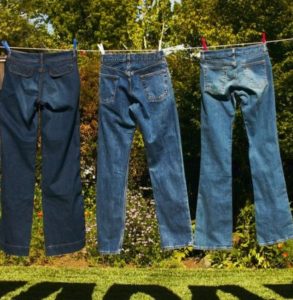
Dry your trousers in a ventilated area, avoiding direct sunlight. UV rays can damage the color and make denim very rough.
Jeans do not tolerate machine drying well, so you should avoid it.
If your jeans have faded, don't rush to part with them. Special fabric dyes, available at hardware stores, can help restore their former vibrancy.

 Jeans are a staple in almost everyone's wardrobe. They're comfortable, easy to move, practical, and never go out of style. Although denim is a very dense and tough material, it still requires special care. Here are some machine washing tips to help preserve your jeans' shape, color, and quality. Let's look at how to choose the right washing cycle for your LG washing machine to ensure the gentlest possible cleaning.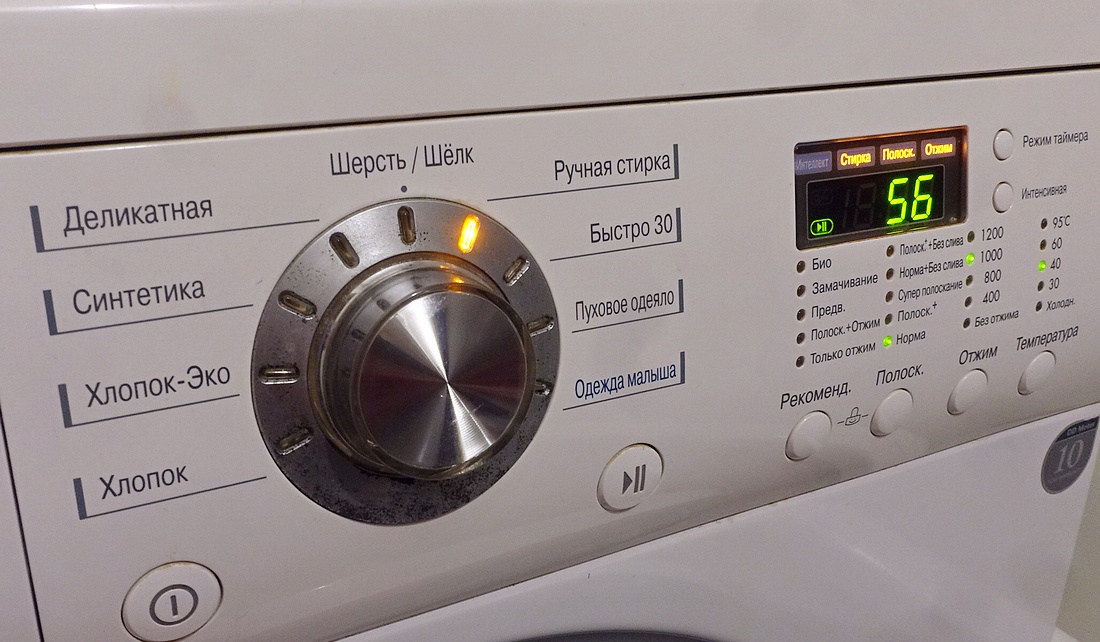















Add a comment