
Manual washing machine review
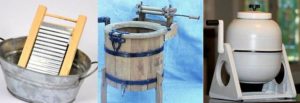 Eco-friendly technologies are becoming a permanent part of our lives, no matter how much we resist them. The traditional automatic washing machine now has an alternative: the manual washing machine. We'll discuss what these washing machines are, their advantages and disadvantages, and how to use them in this publication. We'll also provide an overview of these machines, so you can see how they work using specific models.
What cars will we be talking about?
"Manual washing machine" is a rather broad definition that doesn't fit most washing machine models available on the market today. What constitutes a manual machine? Let's first define the terminology and clarify which washing machines we'll be calling manual. After much deliberation and market analysis, our experts came to the conclusion that most experts worldwide define manual washing machines as any washing machine that operates without electricity.
A washing machine without electricity is a mechanical device that operates completely independently of any communications.
If this is really the case, then we should also keep in mind, first of all, models of washing machines that operate thanks to human muscle power. These are portable camping washing machines designed to make life easier for tourists and summer residents. They don't always look like the automatic or semi-automatic washing machines we're used to, but they do their job well.
Pros and cons of such washing machines
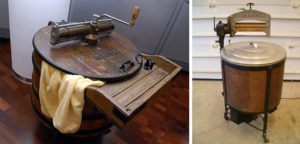 The age of washing machines began with primitive mechanical models that were only mediocre at cleaning laundry. It was easier to grab soap and a washboard and wash your laundry without resorting to any dubious devices. Much has changed since then: manual washing machines have been replaced by electric semi-automatic machines, and then by electronic, fully automatic "home helpers."
What are we seeing in the 21st century? Mechanical washing machines are making a comeback. Is this a step toward a brighter future or a throwback to the past? More likely the former than the latter, as modern mechanical washing machines are completely different from their predecessors invented back in the second half of the 19th century. Let's look at their advantages and disadvantages, and then draw conclusions. Let's start with the advantages.
- Small sizes. Mechanical washing machines can often fit easily into a small car trunk, or even a backpack, making them ideal for use on the go.
- Complete autonomy. Hand washing machines don't require a power outlet or hot or cold water. Simply collect water from a stream, heat it in a pot directly over a fire, and then pour it into the washing machine—and you're free from the comforts of civilization.
- Minimal costs. While a hand- or foot-operated machine is not cheap, you'll definitely save on water and electricity, which is a welcome addition in these challenging times.
- Simplicity of design. Manual washing machines are easy to use and very reliable. They can last a very long time, making life much easier for the user.
- Careful handling. Hand-held machines don't damage clothes because they don't operate at high speeds and don't exert excessive mechanical stress on the fabric.
- Speed wash. These types of washing machines don't have long wash cycles, meaning you can really save time.
We've covered the advantages of a manual washing machine; as you can see, it has quite a few benefits. Now it's time to look at the disadvantages. We're not in the advertising business, so we won't hide anything from you.
- Mechanical washing machines usually have a small load capacity, so you can’t wash a large amount of laundry in them.
- The washing efficiency of such machines is satisfactory, but they are still far from automatic ones.
- These machines don't break down often, but if they do, you'll be running around trying to find a mechanic who can fix them.
- Washing in such a machine requires manual labor, which is not a good thing, as the machine was designed to minimize or eliminate manual labor. Furthermore, you can't move anywhere while the washing machine is running; you'll have to sit and turn the handle or press the pedal.
- Mechanical machines only wash and rinse clothes; spinning, much less drying, is not available to them.
The time spent heating water is also a necessary expense associated with using manual washing machines. On a camping trip, heating water over a fire will take at least 30-40 minutes.
Review of cars without electricity
As promised, in this section we'll review mechanical washing machines that can operate completely independently. Let's be clear: there are no domestically produced mechanical washing machines on the market, so we'll focus solely on foreign models, which, however, are also sold in the CIS countries.
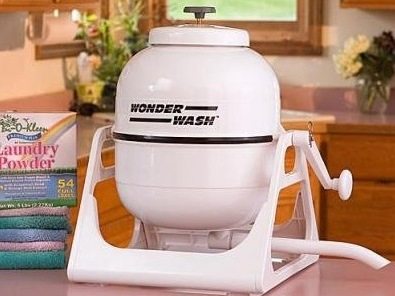
Wonderwash. A magnificent little washing machine that can operate independently, but can be connected to the water supply via a special hose if needed. The mechanism is manually operated by turning a special handle. The whole thing is very reminiscent of a manual meat grinder.The machine washes quite well, although the maximum load capacity leaves much to be desired—2.2 kg. Washing requires about 3 liters of water, and rinsing requires about the same amount. This machine uses vacuum stain removal technology.
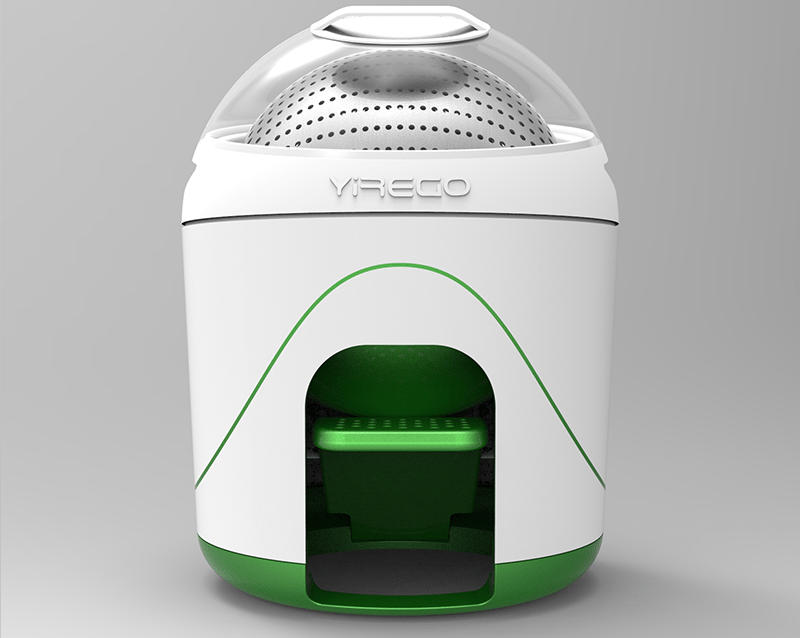
Drumi by YIREGO. This is not a manual washing machine, but a treadle-operated one, invented in Canada. It operates entirely mechanically and is activated by repeatedly pressing the pedal with your foot. Drumi consumes no more than 5 liters of water per wash, and can wash up to 2.2 kg of laundry. In addition, it is one of the few mechanical machines capable of spinning laundry. Read more treadle washing machine Drumi is described in the article of the same name, posted on our website.
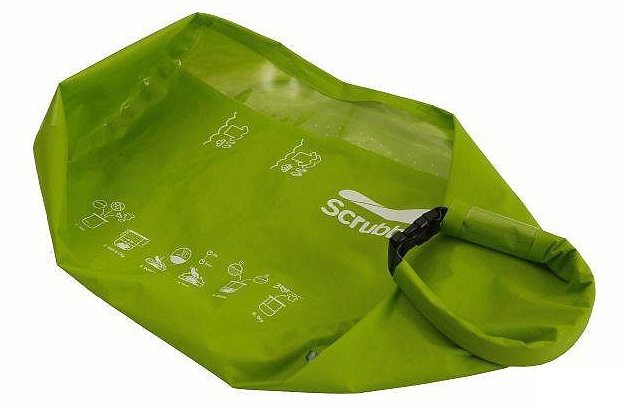
Scrubba. This is a completely unique laundry device, which the author, oddly enough, calls a washing machine. However, we think it's still a device, not a machine, but we won't argue with the patent holder. Scrubba was invented in Australia by an avid backpacker. It's essentially a bag with a large, ribbed surface inside. It works like this:
- you put the laundry in the Scrubba bag;
- pour up to 13 liters of water into it, add powder;
- you put the bag on the ground and start to roll it vigorously on the ground with your hands;
- The laundry inside is actively rinsed and rubbed against the ribbed walls of the bag, and the dirt is washed away.
Scrubba users cite its low cost, high-quality cleaning, and extremely compact size and weight as advantages. This device weighs 150 grams without water.
Shaking Washer. This is another hand-held washer, but it requires batteries. This little machine really does look like a bartender's shaker. And its operating principle is also reminiscent of the manipulations of that "drinks guru" behind the bar, mixing cocktails.
The Shaking Washer is marketed as a sock washing machine. You can actually wash several pairs of socks in it. We place the laundry in the container, add water, sprinkle in the washing powder, close the lid and shake the machine vigorously from side to side. Then all we have to do is remove the clean laundry from the container, wring it out and hang it up to dry.

In conclusion, manual washing machines are a magnificent invention, for which generations of tourists and summer residents will be grateful. However, it's important to understand that such a manual washing machine cannot replace a modern automatic washing machine, and its inventors never intended to revolutionize global mechanical engineering. Manual machines occupy a small sector of the washing machine market, with no plans to expand beyond it.
Interesting:



Readers' comments
Headings
Washing machine repair




For buyers




For users


Dishwasher




Add a comment