
Does polyester shrink after washing?
 The popularity of polyester garments is easy to explain: the material is inexpensive, aesthetically pleasing, durable, and practical. Another appealing feature is the ease of care—they're machine washable and ironable. But before throwing the fabric in the wash or drum, it's worth understanding whether polyester shrinks after washing. Rather than relying on luck, let's take a closer look at how this synthetic material reacts to water and ironing.
Is polyester prone to warping?
Polyester is made from polyester fibers. It's a synthetic material with many undeniable advantages. Among its most notable features are the following:
- wear resistance and strength of the fabric;
- ease of wearing;
- low manufacturing cost;
- the presence of water-repellent properties;
- the ability of the material to resist fading and unpleasant odors.
The main advantage of polyester is its practicality. The material holds its shape well and maintains its structure even after frequent washing and prolonged wear. By the way, polyester fibers are used to make the filling of pillows and down jackets, which allows the products to be used for a long time without cleaning.
Due to the material's strength and resistance to deformation, "pure" polyester remains virtually unchanged in size after the first wash. Some shrinkage is possible, but it's so slight as to be completely unnoticeable. However, this only applies if cleaning is done properly.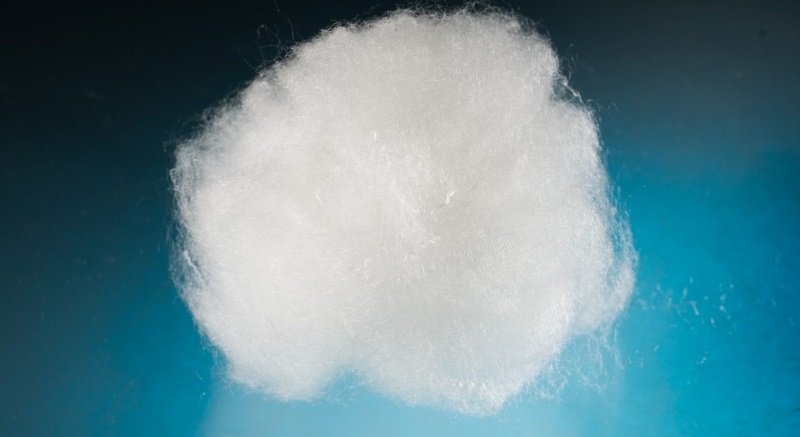
Polyester does have its drawbacks, though. These mostly include the standard synthetic "problems":
- the material does not “breathe”, does not allow air to pass through well, and steams;
- becomes highly electrified.
If the fabric contains natural materials in addition to polyester, significant shrinkage is possible!
To address static buildup and poor breathability, manufacturers stopped using "pure" polyester, blending it with natural materials such as cotton, linen, wool, and viscose. The result is blended fabrics that are breathable and comfortable to wear. However, these semi-natural items can now shrink if not properly cared for.
How are we going to wash it?
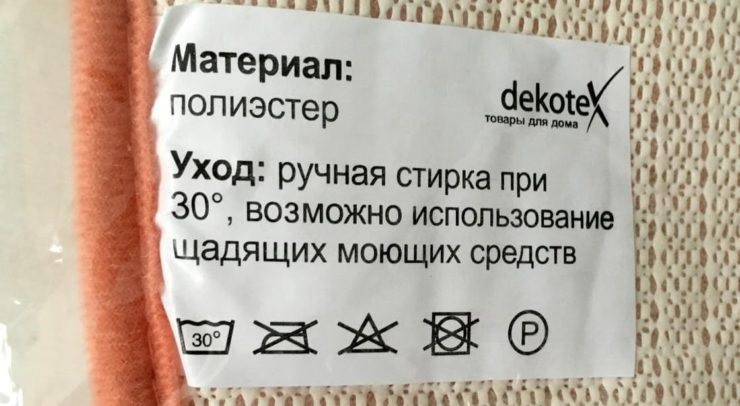
Polyester shrinkage can be prevented by following certain guidelines. First, check the care label for specific care instructions. Generally, items made from 100% polyester fibers are easy to wash by hand or machine. Blended fabrics require a higher percentage of natural fibers to clean, but it's best to play it safe and hand-wash these items.
Before washing an item, check the manufacturer's label for recommendations!
When washing polyester items in an automatic washing machine, there are some important points to remember.
- Liquid detergents are recommended. If you're washing 100% polyester or items with polyester filling, it's best to opt for gel detergents. Powder detergents dissolve less readily and settle in the fibers, damaging the fabric's structure.
- A conditioner wouldn't hurt. It will help remove static electricity from the fibers, making the garment softer and smoother.
- Preparation is important. Before loading items into the drum, be sure to sort them by color, turn them inside out, and place them in a special bag.
- Stains are removed by hand. It's best to treat localized stains with soap and a brush before starting the cycle and then soak for half an hour. If the stain covers a large area or has dried, the "Prewash" cycle will help.
- Choose the right program. A gentle cycle is recommended, such as "Delicate," "Hand Wash," or "Sport." If the item just needs refreshing, "Quick Wash" will do.
- Repeat the rinse cycle. It's important to completely remove the detergent from the fabric, so we run an additional rinse cycle.
- Wash in cold water. The ideal temperature for polyester is 30-40 degrees Celsius; hotter temperatures will damage the material.
- Avoid spinning. Maximum speed is 600-800 rpm. When washing delicate blouses and shirts, it's best to turn it off or reduce it to 400.
If the manufacturer insists on hand washing, it's best not to take any chances. Washing items in a basin requires the same requirements. This primarily applies to water temperature—the same 30-40 degrees Celsius. Remember that even at 50 degrees Celsius, polyester begins to deteriorate.
Choose a mild and gentle detergent. Ideally, use a gel detergent for synthetics with a color-preserving function.There is no need to rub the fabric vigorously; it is enough to soak the item in a soapy solution and then press it until the stains are removed. Rinse the clothes until the water runs clear. Avoid bleaching or wringing polyester fibers, as this can damage their structure. It's best to remove the wet clothes, place them in the bottom of the bathtub, and let the moisture drain naturally.
How to remove moisture and how to iron?
To dry a semi-damp polyester item, avoid using a dryer, direct sunlight, or radiators. Hanging the garment on a drying rack or line in a ventilated area or on a balcony is sufficient. It's best to avoid creasing by hanging washed items on hangers.
When drying polyester, avoid direct sunlight and heating devices!
There's no need to iron 100% synthetic items—the material regains its shape perfectly. Ironing is acceptable, but only at a medium temperature of 110 degrees Celsius and through a damp cotton cloth. It's best to start ironing from an inconspicuous area, such as a lapel or cuff—if the fabric melts, it needs to be thoroughly dampened.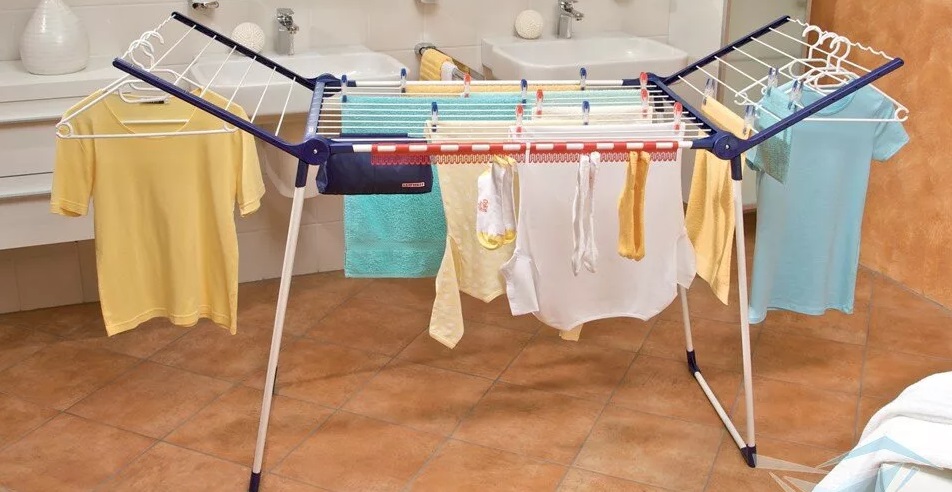
When ironing items made from blended fabrics, it's important to follow the manufacturer's recommendations. The temperature and duration depend on the quantity and type of natural fibers, and for some items, ironing with artificial heat is prohibited altogether. However, most polyester garments are typically marked with an iron with a single dot. This means ironing is permitted, but at the lowest possible temperature.
Polyester and polyester-based blends are easy to wear and care for. Just remember to follow the manufacturer's recommendations and handle them with extreme caution.
Interesting:





Readers' comments
Headings
Washing machine repair




For buyers




For users


Dishwasher




Add a comment