
How to wash viscose correctly to prevent shrinkage?
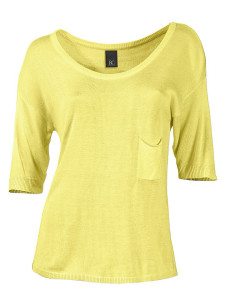 Popular and capricious viscose. How to wash it correctly! Viscose has been known for its virtues since the 19th century. This durable, flowing fabric has the most "natural" base compared to other artificial products: wood pulp and pressed plants. By varying the thickness or nature of the fibers, humans have learned to create fabrics from "artificial silk" similar to linen, cotton, and wool.
If the composition indicates a high percentage of viscose, then this is an excellent purchase with the following advantages:
- A durable, long-lasting fabric that is pleasant to the touch and intense in colour;
- Excellent moisture absorption and breathability;
- It has good resistance to sweat and does not become electrified.
Due to the smoothness of the fabric, viscose remains stain-free for a long time. It's easy to wash without losing its shape or color. However, if you don't take proper care of viscose, your new, vibrant clothes will turn into useless, shapeless rags after just one wash.
Does viscose shrink after washing?
Viscose is an extremely capricious material and requires the utmost care. It will not tolerate carelessness or inattention. First of all, you need to study the fabric composition on the label., and only after that decide how to wash viscose.
When wet, the fiber loses half of its strength and becomes vulnerable.
Possible consequences of unsuccessful washing
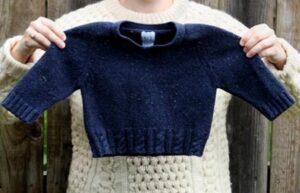
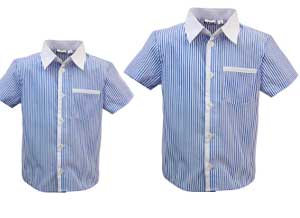
- If the fabric contains cotton or acrylic, or if the product is of poor quality, the garment may shrink. Shrinkage is unavoidable when using hot water. If wool is added to the base fabric, sudden temperature changes can significantly shrink the garment. A mother's "washed" sweater can safely be given to her daughter, but children's clothes will look like doll clothes.
- If you steam an item while ironing, use a centrifuge while spinning, or dry it improperly, the fabric will stretch. This process is often irreversible.
- If the fabric contains a high percentage of polyester, pilling may occur after several washes.
- If the product is 100% viscose, such clothing is least susceptible to deformation both during washing and wear. It's no wonder that manufacturers add viscose to the fabric for extra strength and shine.
Let's move on to the recommendations!
How to wash viscose? Step-by-step instructions for hand and machine washing.
- Carefully read the care instructions on the garment's label. They are the most reliable guide. Perhaps dry cleaning is the only option for you, and you shouldn't risk it at home?
- Be sure to separate light-colored fabrics from colored ones. Ideally, viscose will not fade, but when washing, it's best to use special detergents for brightly colored or white items separately.
- The most reliable method of cleaning is dry cleaning. Before washing, thoroughly wipe the item with a dry, soft brush to remove dust and any remaining dirt.
- Hand washing is the best option. Add detergent for delicate or fine fabrics to lukewarm water. Soak for half an hour, and then you're ready to wash. Viscose doesn't tolerate rough handling. Do not wring, crush, or rub it vigorously. Wash with gentle massaging movements, and shake to remove excess moisture. When choosing detergents, it's important to examine their ingredients. If they contain a concentrated alkaline solution, such washing will damage the viscose.
- Pay attention to the washing instructions for white viscose. This fabric is notable for its colorfastness, meaning it doesn't require bleaching. However, exposure to strong sunlight can cause stains. In this case, use a bleach containing sodium hypochlorite. However, hydrogen peroxide is also suitable.
- When machine washing, it's best to use a laundry bag. Use the "delicate" or "silk" cycle without spinning. It's best to wash with similar fabrics; rougher items may cause snags. Water temperature should not exceed 30 degrees Celsius.
How to dry viscose correctly?
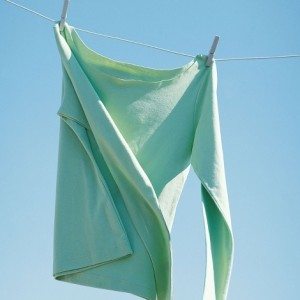 After washing, hang the garment on a hanger to let the water drain. Avoid using metal hangers, as they can stain. Soft fabric hangers are safe and ideal for maintaining the garment's shape. You can also lay the washed garment flat. Rolling the garment in a sheet and applying pressure will kill two birds with one stone: removing as much moisture as possible and preventing deformation. Drying with an electric dryer is not recommended, as viscose fabric not only wears out faster but also shrinks.
Viscose should be ironed exclusively from the reverse side, otherwise the fibers will melt and an unpleasant shine will appear, which will be impossible to get rid of later.
If the viscose has shrunk, you can try to restore its lost shape. The process is a bit unpleasant: try putting on the still-damp garment and wearing it until it's completely dry.
Viscose is a wonderful synthetic material, a worthy addition to any wardrobe. If you follow the instructions and wash viscose, your favorite clothes will capture the attention of those around you with their crisp silhouette and vibrant colors for a long time.
Interesting:
4 reader comments
Add a comment
Headings
Washing machine repair




For buyers




For users


Dishwasher




Thank you, you explained everything in detail. I bought trousers made of viscose and polyester and didn’t know how to wash them properly. Now I know, thank you.
Thanks for the good advice.
Thanks for the advice. I'll take it to the dry cleaners.
My blouse still shrank, even though I hand-washed it in cold water. I'll try wetting it and putting it on while it's still damp. Will that help?