
Why do clothes shrink in the dryer?
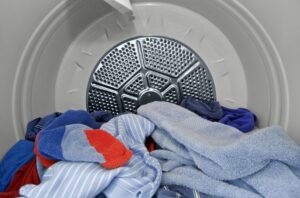 Modern tumble dryers are designed to be gentle on clothes and not to damage them. However, if your clothes shrink after being in the drum, this indicates that some operating instructions have been violated. For example, the wrong setting may have been selected, or items not suitable for this drying method may have been loaded into the machine. Malfunctions are also a possibility. Let's consider all possible situations.
What can cause things to become deformed?
There can be a variety of reasons why clothes shrink in a dryer. Therefore, we'd like to remind you of the basic rules for using this type of appliance. This will help you figure out where the problem lies and how to avoid similar problems.
- Only load laundry that has been thoroughly spun into the dryer drum. By setting the spin speed on your washing machine to at least 1000 rpm (the higher the spin speed, the better), you can reduce the amount of time your laundry spends in the dryer. This will reduce the amount of time it takes to dry. If you load completely wet items into the machine, the moisture will be removed extremely quickly, which can cause deformation of the fabric.
- It's important to carefully read the labels of items going into the dryer. Avoid placing items that aren't suitable for drying. The label will tell you whether the item can be dried, what setting, and what temperature. If the temperature is too high, the items will shrink. This applies to both cotton garments and cotton, which are most often placed in automatic dryers.
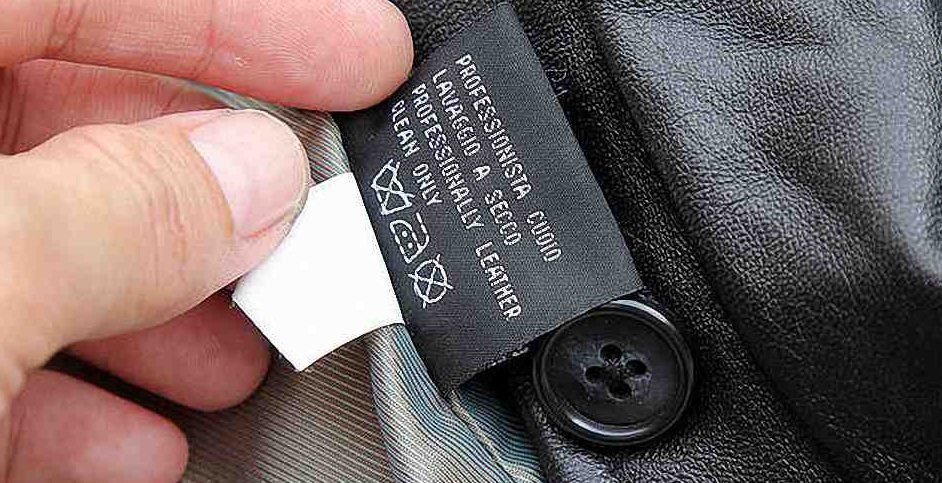
- Monitor your machine's load. Many homemakers try to dry more clothes at once, sometimes exceeding the recommended capacity. However, large loads reduce drying quality and moisture may not be removed evenly. This can result in items shrinking significantly. This is a fairly common problem.
- Drying mode. Modern models have programs for different fabrics, so when choosing a mode, consider the type of clothes you'll be loading. Failure to consider this can result in shrinkage or damage to the fabric.
- Don't forget to sort your laundry before loading it into the dryer. It's common for housewives to wash items made of different materials together. However, it's not advisable to dry these items together.
It is best to sort the items, as different types of fabric require different drying conditions; if these requirements are not followed, some of them may shrink.
How else do clothes get damaged in the dryer?
It's not uncommon for decorative inserts to be damaged in the dryer. High temperatures can deform or completely destroy buttons, zippers, snaps, decorative prints, and other details. For example, if a sweater or jacket has a plastic zipper, it may become so deformed after drying that it becomes impossible to close. Printed images, such as those found on T-shirts and other clothing, also don't handle high temperatures well. They stick together and can easily come off. Adhered rhinestones or glitter can peel off and then stick to another item. What should you do if you need to dry just such an item?
Please read the instructions carefully; in some cases, simply selecting the correct setting or turning the sensitive item of clothing inside out may be sufficient.
Another important point: only dry clean items. Never attempt to dry an item from which a stain has simply been removed. This can lead to disastrous results. For example, high temperatures can cause any remaining stains to ignite if they were left behind by flammable substances.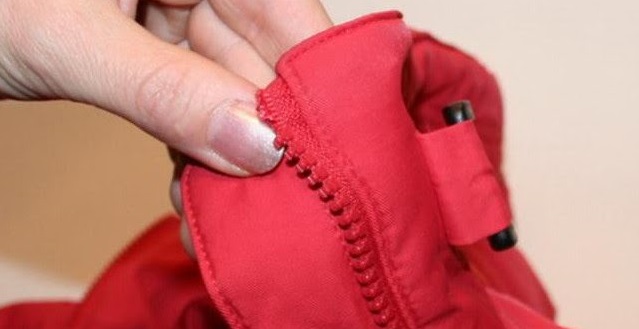
A similar effect can occur if solvents or other special liquids were used to remove stains. Foam materials are also highly flammable, so items containing such materials for insulation must be dried with extreme caution.
Interesting:



Readers' comments
Headings
Washing machine repair




For buyers




For users


Dishwasher




Add a comment