
Washing bed linen in a washing machine
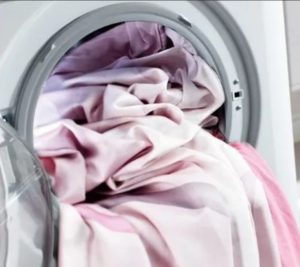 With the advent of the washing machine, housewives said goodbye to hand-washing bed linens. There's no longer any need to lug around heavy, bulky items or spend countless hours washing and rinsing them—everything is done automatically. All you have to do is load the drum, add detergent, and set the cycle parameters.
Preparing for the job won't be a problem if you learn in advance how to wash satin bedding, as well as sets made of other materials. Let's explore the general rules, basic requirements, and differences between fabrics.
Let's learn the general rules
By understanding the nuances of washing bed linen, you can not only effectively remove stains but also preserve the original appearance of your sheets. Otherwise, they will stretch, fade, become rough, fray, and become covered in pilling. Each time, the damage caused by the washing machine will be greater, and you will have to buy a new package at a considerable cost.
To prevent this from happening, it's essential to strictly follow the general washing instructions for bedding. These are always indicated on the label sewn into the back of each sheet and duvet cover. The information is provided in symbols that must be deciphered. Typically, the following symbols are used:
Before washing, please carefully read the manufacturer's label for recommendations!
- "Bass with water" - machine wash allowed;
- “A basin of water and one line at the bottom” – gentle cleansing is required;
- “A basin of water with two lines at the bottom” – a delicate wash program is recommended;
- “A basin marked “30” should be washed in water heated to 30 degrees;
- "A basin with a hand lowered into water" - hand wash only;
- “Triangle with the “CL” mark – it is permitted to use detergents containing chlorine;
- “Crossed-out triangle with “CL” – do not bleach with chlorine-containing products;
- "Empty circle" - dry cleaning (the letter in the circle indicates the active substance in the solvent: "P" - except trichloroethylene, "P" and a line - gentle cleaning, "F" - only gentle substances and "A" - any cleaners);
- "Crossed out circle" - no dry cleaning;
- "Iron" - ironing is allowed;
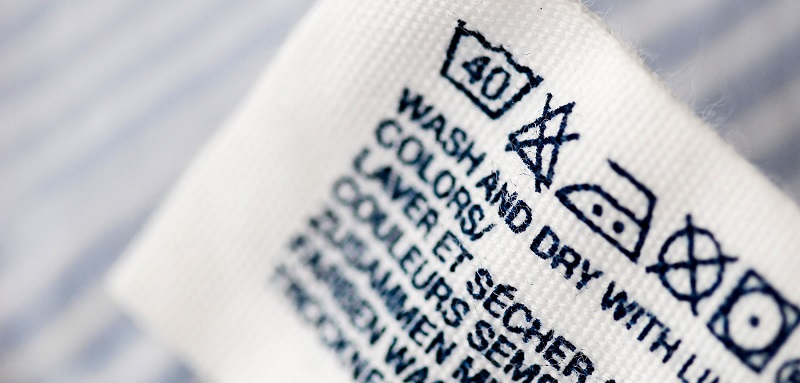
- "Crossed-out iron" - no ironing allowed;
- "Iron with a dot" - ironing up to 110 degrees;
- “Iron and 2 points” – the permitted temperature range for ironing is -150 degrees;
- “Iron and 3 points” – ironing at 160-200 degrees is acceptable;
- "Iron with crossed-out steam" - do not steam;
- "Square with circle" - can be tumble dried;
- “Square, circle and line below” – auto spin and drying are allowed, but in a gentle mode;
- “Square with a circle and two lines” – gentle spin and drying recommended;
- “Square with a circle and a dot” – automatic drying at the minimum setting;
- “Square with a circle and 2 dots” – drying at normal heat;
- “Crossed out square with a circle” – auto drying is contraindicated;
- “Square with an arc on top” – vertical drying is required;
- "Square with three vertical lines" - dry without wringing;
- "Square with one horizontal line" - dry horizontally;
- "Square and three diagonal lines from the left" - drying in the shade is recommended.
The information on a specific set of underwear depends on the material and manufacturer. Additional details may be spelled out on the label, but it's important to read all the information on the packaging before washing for the first time.
Loading laundry in batches
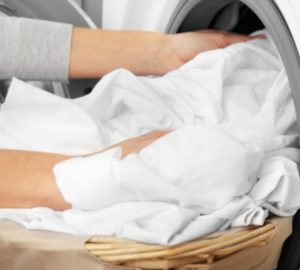
To ensure your bedding is washed and rinsed properly, you need to load it into the drum in batches. Overloading the washer with laundry will result in insufficient water, preventing detergent from being washed out, and stains from being removed. Furthermore, this can create an imbalance, as sheets and pillowcases tend to get caught in the duvet cover, bunching up, and disrupting the balance of the washer.
The amount of laundry you can put in the drum at a time depends on the capacity of the washing machine itself. This information is indicated in the instructions and often on the machine itself. Compact models hold 3-4 kg at a time, slim models 5-7 kg, and full-size models 8-9 kg.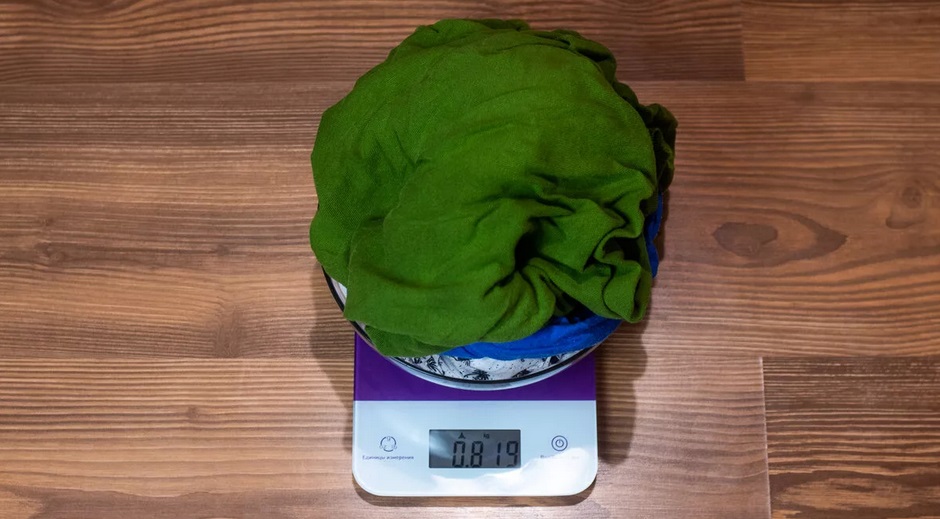
But knowing just the washing machine's capacity isn't enough—it's also important to calculate the weight of the laundry you'll be loading. Owners of modern models have it easier, as many machines feature a special auto-weighing feature that alerts users to underloads or overloads. Others will have to estimate the weight of their bedding "by eye," using these approximate figures:
When washing bedding, the drum is loaded halfway!
- sheet – 400-500 g;
- duvet cover – 500-700 g;
- bedspread or blanket – about 600-800 g;
- pillowcase – 150-250 g.
You can also check how full the drum is. Ideally, satin or cotton bedding should take up no more than half the drum. This way, the items will move freely in the machine, be washed well, and be rinsed thoroughly.
Stick to the basics
There are also general guidelines for washing bedding. These are universal rules that, if followed, will help extend the life of the product, preserve its appearance, and maintain its performance properties. These are the following recommendations:
- wash white and colored items separately to avoid fading;
- separate linens by fabric type (cotton separately from synthetics and linen);
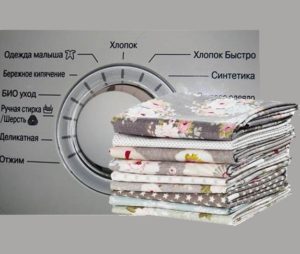
- select the program according to the type of fabric;
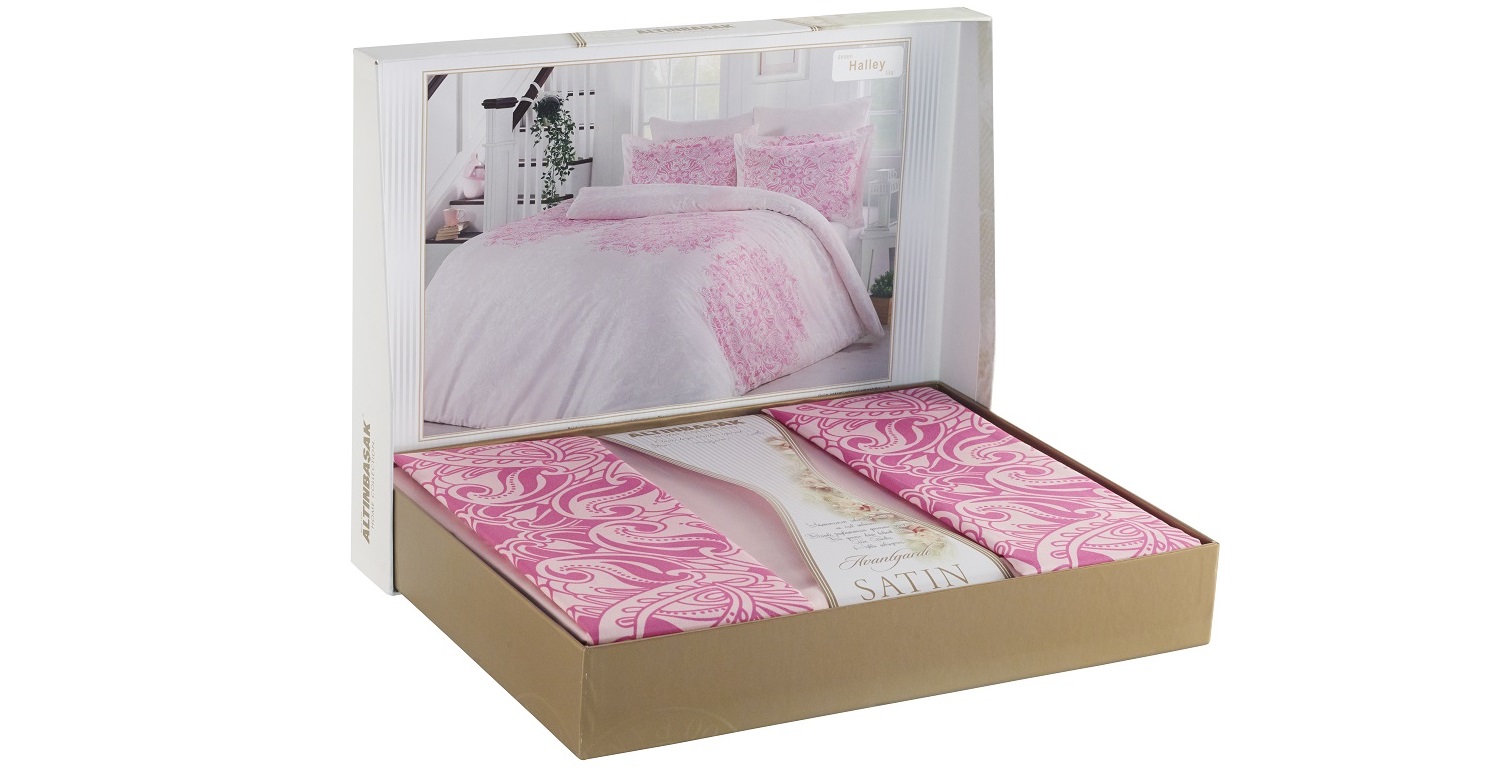
- It is unhygienic to lay out newly purchased bedding - it must be washed before use;
- turn duvet covers inside out and fasten them;
- Do not overuse bleaching agents, as they weaken and damage the fibers.
When machine washing baby bedding, it's important to follow a few more rules. First, wash it separately from adult items. Second, hand wash it, especially if the baby is newborn. Third, choose natural and hypoallergenic detergents, or if you don't have these, grate laundry soap and add the shavings to the drum.
Washing cotton linen
Washing parameters also depend on the type of fabric. If the bedding is made of cotton, it is recommended to rinse it by hand in cold water the first time. Afterwards, the temperature is increased, based on the color and degree of contamination of the kit:
- 60 degrees – for white;
- 90-95 degrees – if things have turned grey;
- 40 degrees – for color.
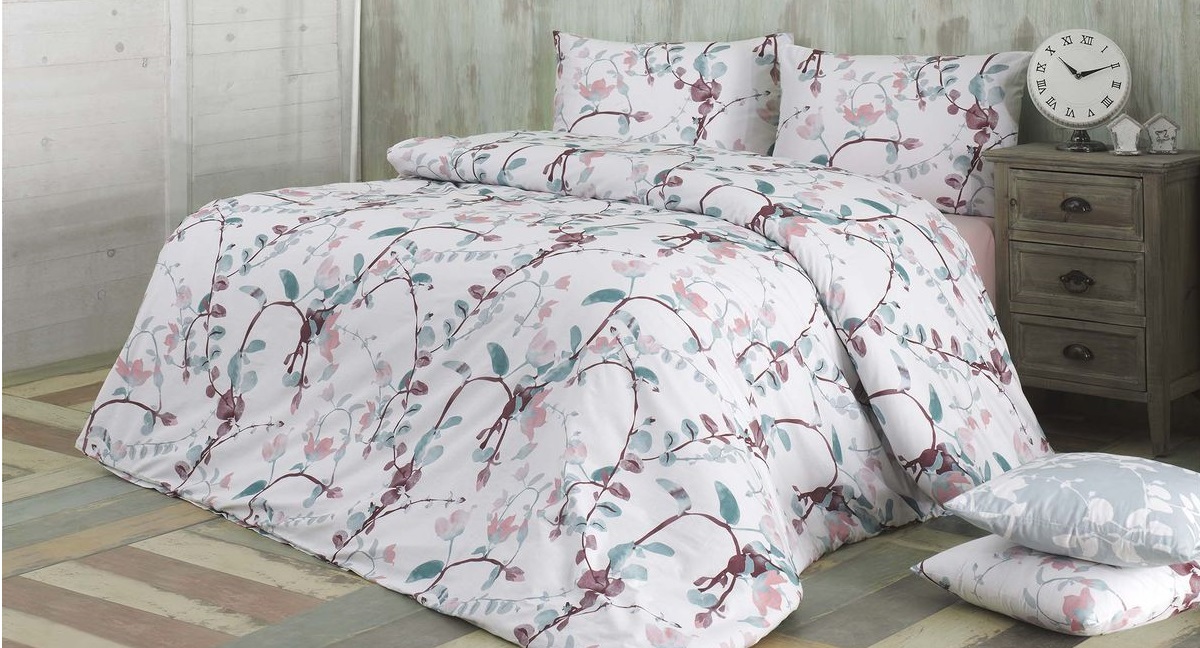
Stubborn stains are first soaked and then washed with bleach. Select the "Cotton" cycle only; avoid mixing natural and synthetic fibers, as this will cause the material to become rough. Cotton linens are dried outdoors in the shade and ironed while still slightly dry. It's important to note that the garment is turned inside out for drying and right side out for ironing.
Linen underwear
Linen bedding is washed differently. This is because linen is impregnated with starch, esters, or synthetic substances to improve its performance properties. This treatment increases the material's wear resistance and reduces the likelihood of shrinkage and deformation. All this changes the washing conditions of the fabric:
- mode – “Linen”, “Cotton”, “Delicate wash”;
- recommended heating: 40-60 degrees;
- detergents - delicate, without bleaching components;
- Drying is natural only, without radiators or hair dryers;
- Ironing with damp cloth, on half-dried fabric.
If linen is heavily soiled, the stains are soaped and soaked for an hour. Then, powder and a tablespoon of vinegar are added to the water. The bedding is washed in the soapy solution, rinsed thoroughly, and dried.
Delicate satin and silk lingerie
Satin bedding is soft, durable, and easy to care for. Simply use the "Cotton 60" program, set the spin cycle to 800-1200, and dry as usual. If you use detergents with an active ingredient, the temperature is reduced to 40 degrees Celsius.
Expensive silk requires special care:
- delicate or hand wash;
- 30 degrees water;
- special gel for silk (bleaching is prohibited);
- air conditioner;
- spin to minimum.
When hand washing silk, rinse only, changing the water from warm to cold. For a richer color, add 3 tablespoons of vinegar to the rinse cycle. Dry silk only in the shade, away from direct sunlight and radiators. Iron dry, do not add moisture, inside out, and at a low temperature.
Underwear made of synthetic materials
Synthetic bedding is rarely used, as it's not very healthy to sleep on. However, due to its low cost, low maintenance, and durability, it's sometimes used on beds. A blend of synthetic and natural fibers is considered optimal, combining the benefits of both.
If your laundry contains mostly synthetic fibers, it's best to limit the temperature to 30-40 degrees Celsius (86-104 degrees Fahrenheit), as hot water can cause pilling. Avoid boiling and bleaching. Drying at high temperatures and ironing at a maximum temperature of 40-50 degrees Celsius (104-122 degrees Fahrenheit).
Can you machine wash velvet linens?
Velvet bedding should not be machine washed. Expensive, premium linens should not be rubbed or twisted at all, but rather handled with the utmost gentleness and care. There are a few other considerations: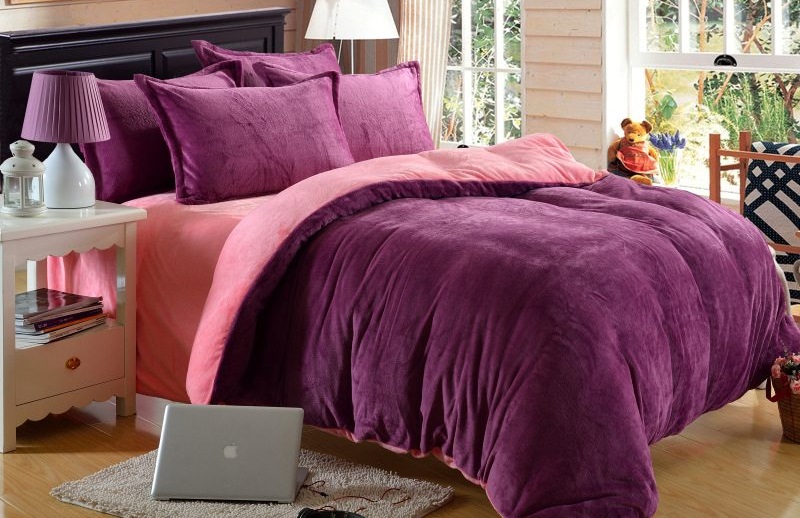
- water up to 30 degrees;
- Powder is prohibited, only delicate gel;
- wringing is prohibited.
Velvet cannot be machine washed!
Velvet is dried naturally, spread out on a flat surface. It's best to place a towel underneath the bedding, then roll it up and press it down to remove any moisture. The lining should be replaced as it gets wet. The bedding should then be hung horizontally and finally shaken to restore the nap.
When to start a new wash?
Everyone decides for themselves how often to wash their bedding. It depends on their living conditions, the environment, individual preferences, the tidiness of the residents, and whether they have children or pets. However, here are some general guidelines: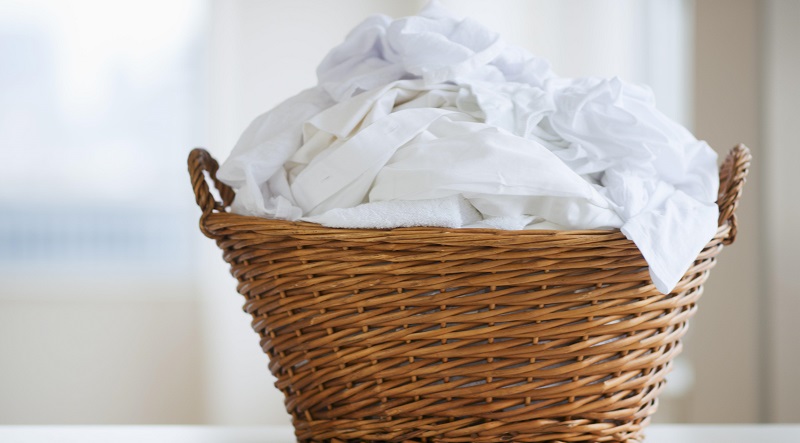
- the optimal frequency of washing is once a week;
- It is not recommended to store a dirty set in a basket for a long time - dirt and an unpleasant odor will be absorbed into the fibers;
- Duvet covers get dirty less often, so they are washed separately at a low temperature.
It's best to schedule a wash as soon as the laundry loses its freshness and scent. But don't overdo it—on average, calico lasts 100 cycles, and satin about 200.
Is it worth ironing?
Ironing bulky sheets and duvet covers is very troublesome. Modern washing machines equipped with easy ironing or anti-crease functions will be a salvation. But in general, everyone decides for themselves.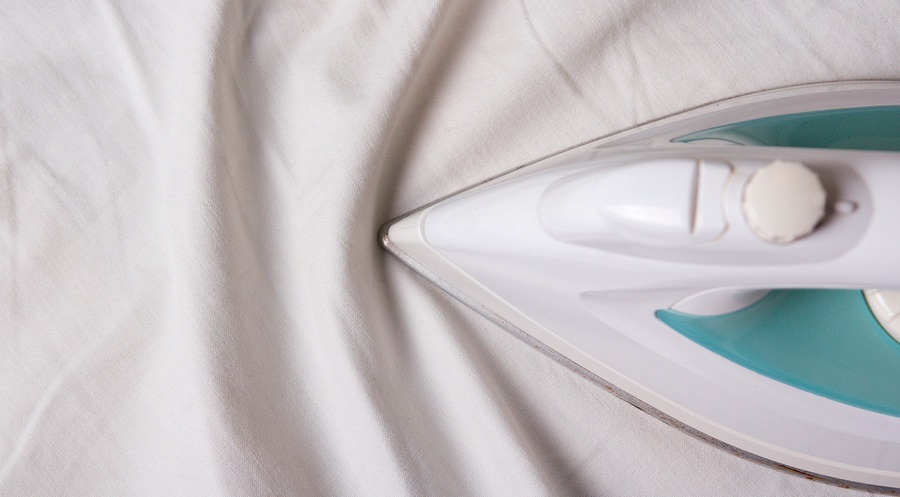
There are only a few situations in which ironing is advisable. First, if there's a sick person in the house, which will reduce the risk of infection. Second, for children under one year old. Third, if laundry doesn't have time to dry.
Improving washing quality
To keep bedding made of satin, cotton, calico, and other fabrics fresh and soft longer, it's recommended to improve the quality of your washing. This isn't difficult; just follow a few tips. These include:
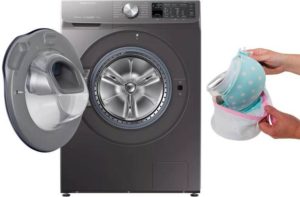
- Place bedding in special laundry bags to prevent pilling and abrasion;
- reduce the spin intensity to reduce wrinkles in the laundry;
- add fabric softener and rinse aid to the tray, which will give the laundry a pleasant aroma, smoothness and softness;
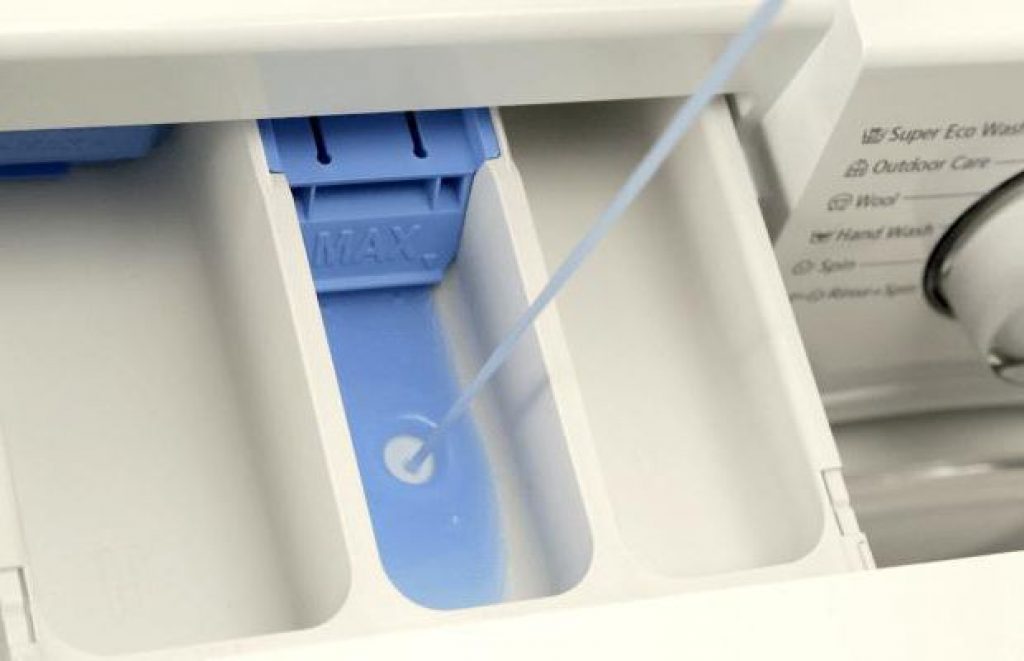
- use starch impregnation (starched sheets hold their shape, repel dirt and last longer);
- Place color-catching sheets in the drum to prevent accidental coloring of whites;
- wash and iron new bed linen.
White and colored items are washed separately!
If you accidentally washed white clothes with colored ones and the result was fading, don't despair. Washing again will help restore the whiteness of your bed linen. You need to load the laundry into the drum, set it to intensive mode and double rinse, and before that, soak the dyed fabrics for an hour in a bleach solution or boil them with hydrogen peroxide and ammonia.
By following all the rules and recommendations, you can wash any bedding and preserve its color, softness, and smoothness. The main thing is to read the label and avoid experimenting.
Interesting:

Readers' comments
Headings
Washing machine repair




For buyers




For users


Dishwasher




Add a comment