The synthetic padding on my jacket came loose after washing.
Synthetic padding jackets are not only lightweight and warm, but also easy to care for. This outerwear is easy to wash and dry, but it's important to understand all the nuances and pitfalls. Incorrect care and carelessness can lead to problems – the padding will bunch up, and the garment will lose its beauty and warmth. If the padding on your jacket has bunched up after washing, don't despair. Learn from your mistakes and restore your garment to its original condition.
Special balls will help
The easiest way to break up the clumps of synthetic padding is to wash it again. But the trick isn't in the water and spinning, but in the three rubber balls that are placed in the drum along with the jacket. You can buy special silicone balls or use regular tennis balls. The key is to create conditions in the machine that soften the matted padding.
We proceed as follows:
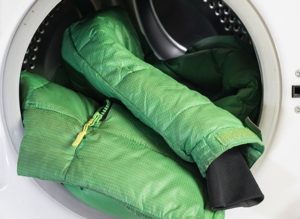
we load the down jacket into the machine;
Place 3 “massage” balls on top of the item;
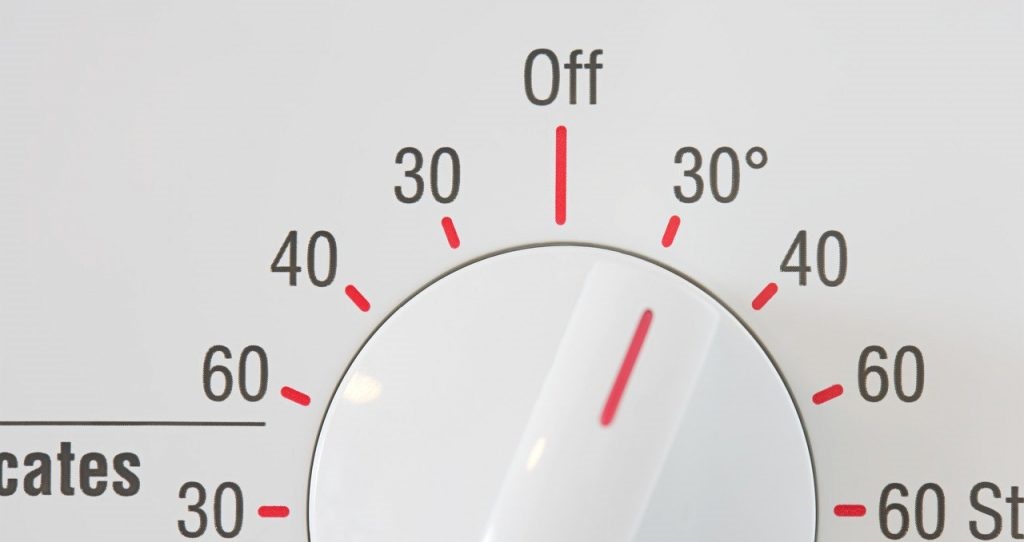
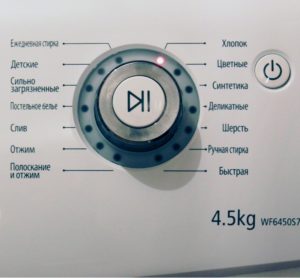
select a delicate or hand wash program;
We check that the minimum temperature and spin are set.
There's no need to refill the machine with detergent—it's important to let the balls work through the down jacket. Once the cycle is complete, remove the jacket, shake it out, straighten it, and lay it flat to dry. Then, feel the garment with your hands. If you notice any lumps, break them up and evenly distribute the padding inside.
Knock it out or vacuum it
Another option for dealing with matted synthetic padding is to use a vacuum cleaner. It can fluff the padding in just a few minutes, removing lumps and unevenness. However, you need to act quickly, as this method only works on damp items.
The sequence is as follows:
lay the down jacket out on the table;
feel and find places with lumps;
remove the nozzle from the vacuum cleaner;
turn on the vacuum cleaner to medium power;
Use a suction tube to go over all problem areas, moving from the center to the sides;
Leave the vacuumed product until it dries completely.
If the item is already dry, vacuuming won't be as effective. But you can try; just repeat the process several times, shaking the filler periodically.
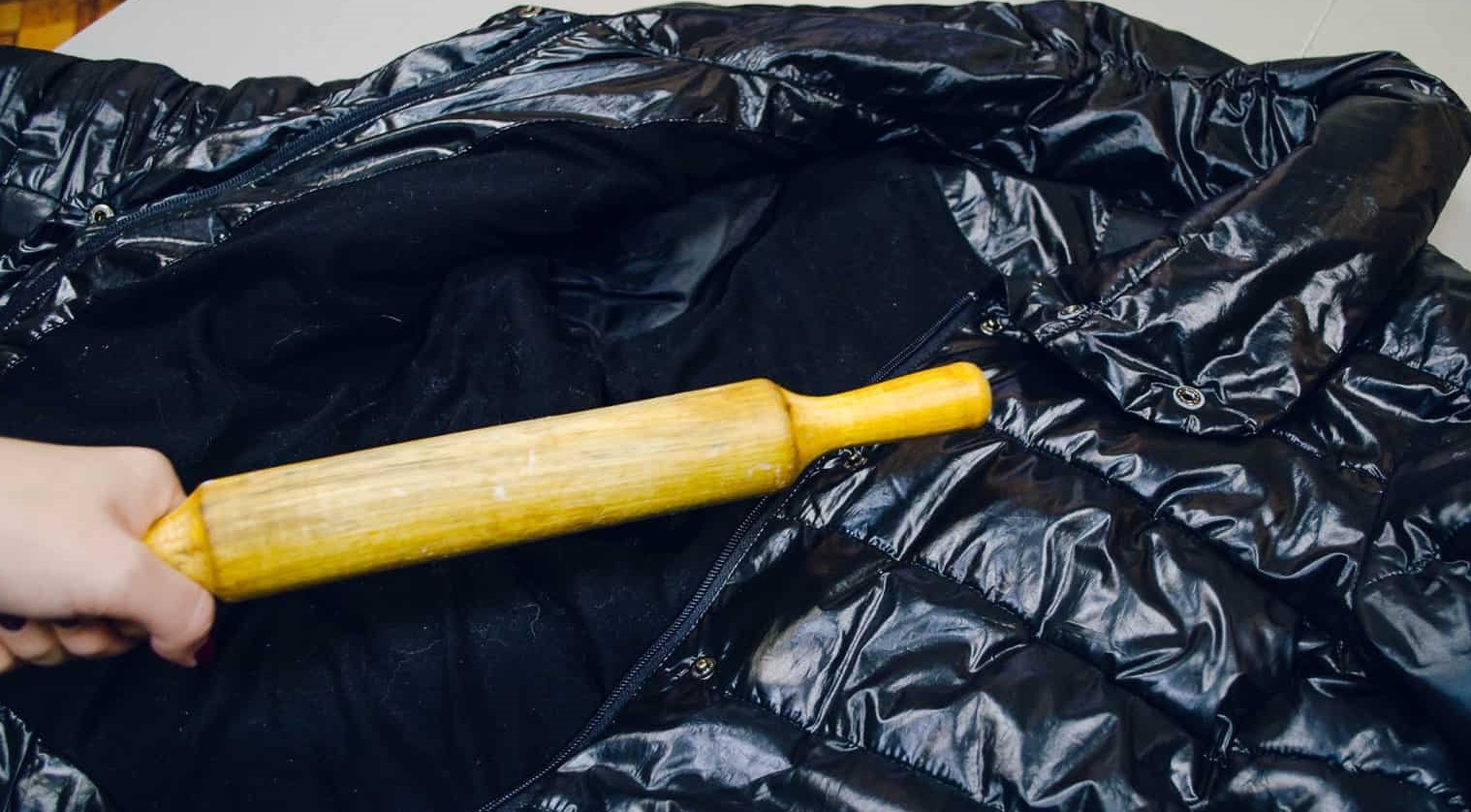
Clumped synthetic padding can be broken up with tennis balls, a vacuum cleaner, or a carpet beater.
A carpet beater is also effective at removing clumped synthetic padding. The procedure is simple and straightforward: hang the jacket on a hanger, zip up and button it, and evenly sweep the paddle over the down jacket. It's best to leave the garment damp.
Let's take apart the jacket
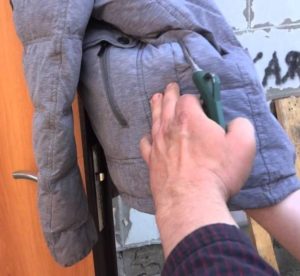
If the previously described methods don't work, you'll have to resort to manual intervention. This is much more difficult and time-consuming, but there's a chance the filler will be restored. First, we try to shake out the lumps through the fabric; if this doesn’t work, we need to rip out the lining.
First, we assess the extent of the problem and determine where the matted filling is located. Carefully unpick the lining in the affected areas and smooth out the stuffing. Once all the lumps have been completely broken up, we secure the padding with stitches at several points. Then, we return the fabric to its original position, remembering to use a blind stitch.
If the padding is severely deformed, it's best to contact a professional tailor. A seamstress can restore the jacket to its original appearance by replacing the entire padding.
How to avoid filler deformation?
To prevent the synthetic padding from deforming again, it's important to understand how to properly care for jackets and pillows. Remember, prevention is easier than cure. Therefore, when washing again, follow the manufacturer's recommendations:
Before cleaning, carefully study the label;
we try to wash by hand;
when machine washing, select only the delicate cycle;
do not allow water to heat above 40 degrees;
we refuse automatic spinning;
We use liquid detergents and special compounds for washing down products (powder dissolves worse, settles in the synthetic padding and destroys its structure);
After washing, be sure to beat and shake the product;
When drying, the down jacket is regularly turned over and shaken.
If you follow the instructions correctly, there's no risk of damaging the padding. The synthetic padding will easily withstand washing and will once again delight you with its lightness and warmth. The main thing is to follow the instructions and not be lazy.
Where do lumps come from?
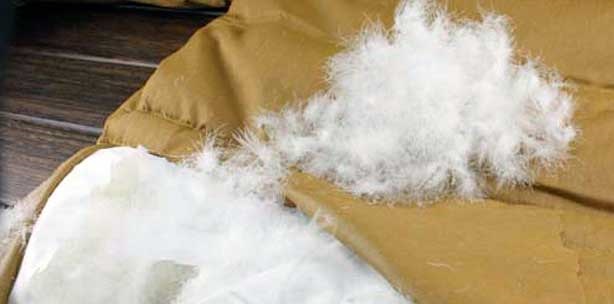
Failure to follow the above rules will result in an unpleasant surprise: crumpled padding. This fate befalls many synthetic and natural insulation materials, so "maybe" won't help. Even one mistake will result in deformation of the padding.
Most often, synthetic padding rolls up due to an incorrectly selected washing program. High-temperature and fast cycles, with intensive spinning and insufficient rinsing, are prohibited – they damage the delicate material and provoke its deformation.
Another reason is using inappropriate detergents. Special gels are required for washing down jackets.
Powders do not dissolve, do not rinse out, and destroy the structure of the synthetic padding; similar damage is caused by compositions with abundant foaming.
Let's take a closer look at spinning, which is contraindicated for synthetic padding. While other synthetic fillers, such as hollow fiber, are not affected by spinning at 800-1200 rpm, synthetic padding will inevitably crumple when spun above 600 rpm.
Drying vertically also deforms the filling. Wet filling collapses under its own weight and becomes crumpled. Synthetic padding is a rather delicate material and will inevitably become deformed if not properly cared for. Fortunately, this situation can be corrected and prevented in the future.

 Synthetic padding jackets are not only lightweight and warm, but also easy to care for. This outerwear is easy to wash and dry, but it's important to understand all the nuances and pitfalls. Incorrect care and carelessness can lead to problems – the padding will bunch up, and the garment will lose its beauty and warmth. If the padding on your jacket has bunched up after washing, don't despair. Learn from your mistakes and restore your garment to its original condition.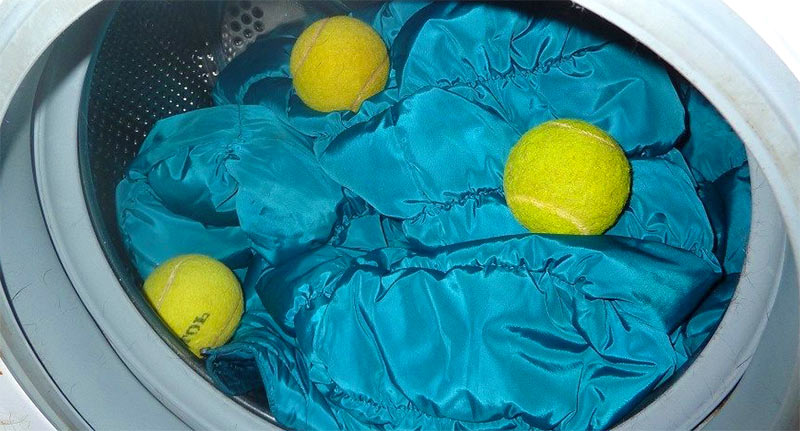














Add a comment