
Drain for a washing machine in a country house
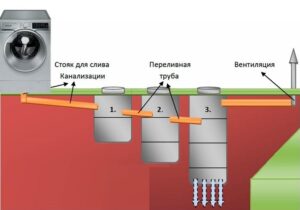 Modern washing machines operate perfectly without a central water supply or sewer system, making them suitable for use outside city apartments. The key is to properly install a drainage system for your washing machine in a private home, taking care of both the appliance and the environment. Simply running the drain hose into the septic tank won't do: the tank will quickly overflow, the detergent will leak into the soil, and the waste from the drum will start to smell unpleasant. An alternative is needed—a separate, protected drainage system. Let's take a closer look at what exactly this means.
How to organize drainage?
To prevent your washing machine from causing groundwater and soil pollution, it is necessary to ensure safe drainage of waste from the drum. The best option would be to allocate a separate sealed container for the machine, which is emptied as it fills up by a sewage disposal truck. However, there are a few “buts”: it is expensive, complicated and not accessible to everyone.
If installing a separate tank for your washing machine isn't feasible, consider another option: using natural detergents. Eco-friendly phosphate-free detergents are more expensive than regular ones, but they're completely safe for the environment. When released into the ground, the active ingredients in the concentrate quickly decompose without harming trees or plants. As for costs, even the extra cost of an eco-friendly detergent won't compare to the cost of maintaining an additional tank.
For laundry in a country house, it is recommended to use environmentally friendly, natural-based detergents without phosphates or harsh bleaches.
A homemade septic tank can be an aesthetically pleasing solution to the problem. It's cheaper to build than a septic tank, and it prevents waste from entering the groundwater. Here are the instructions: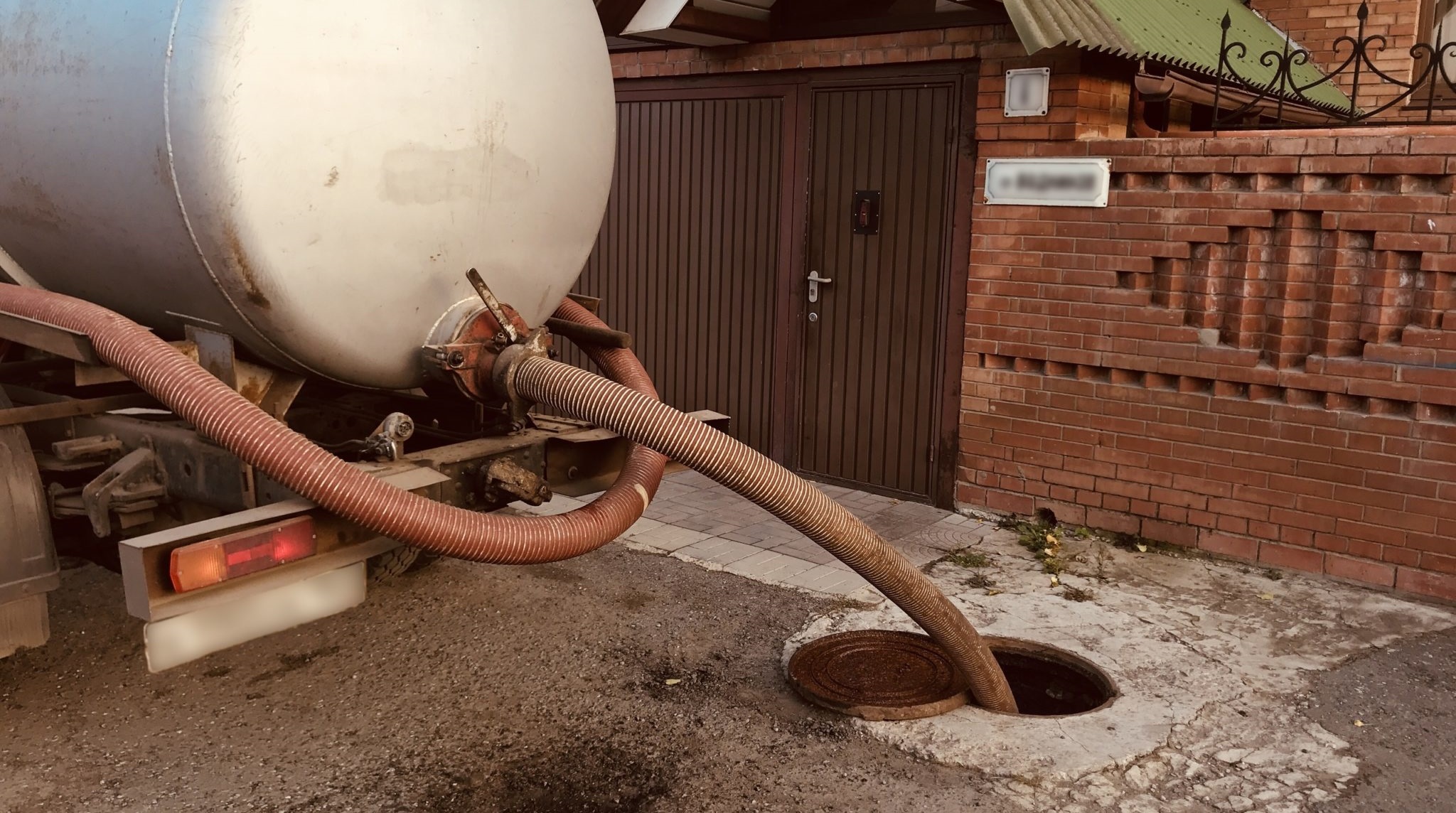
- dig a hole so that at least 1 m remains to the groundwater level;
- strengthen the future sump with old car tires;
- cover the pit with a strong lid;
- connect the drain hose of the machine to the sump.
A homemade septic tank has only one drawback: it can only be used in the summer. During the cold season, the entire system will freeze, making washing impossible. For year-round use of the machine in a country house, it's necessary to consider a "winter" drain.
Winter drain
If you plan to use a washing machine in the winter in a heated country house, you should "upgrade" the sump and the sewer system leading to it. To avoid freezing and subsequent bursting of pipes, it is necessary to organize proper drainageTo do this, you need to take several important points into account.
- The cesspool must be deeper.
- The pipe is buried in the ground at least 1-1.5 m, ideally to the depth of soil freezing (depending on the region).
- The water drain is installed with a slight slope toward the settling basin, at a rate of 1 cm per meter. This ensures gravity flow of the wastewater. It also increases the flow velocity, preventing the liquid from freezing.
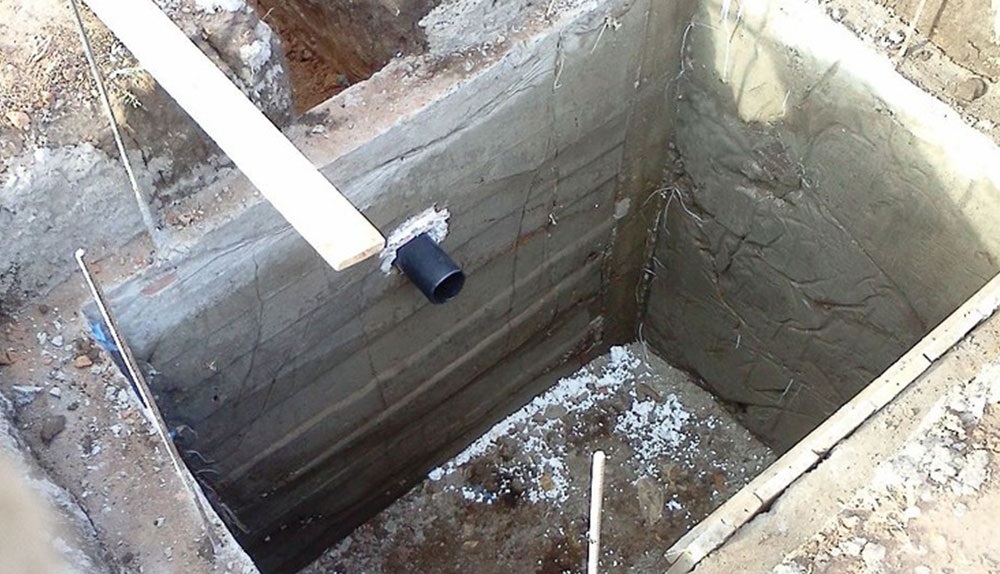
- To ensure a hermetically sealed connection between the drain hose and the pipe, a reduction coupling is used – a special adapter coupling.
- Pipes are brought out into the ground from the basement to prevent the metal from freezing.
- The pipes leading to the well must be positioned at an angle and without any sudden changes in elevation, otherwise air pockets will form, slowing down the flow of water.
The "winter" drain must be protected from freezing due to its depth, heat and slope.
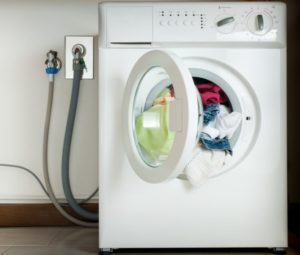
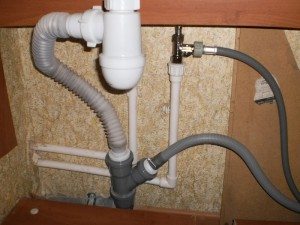
When connecting a washing machine to a sewer system, including a domestic one, be aware of the "siphon effect." This occurs when the drain hose is improperly positioned, causing the tank to drain by gravity and collecting waste from the drain. To prevent this, secure the corrugated hose to the back of the machine using a special hook. Bends are inevitable when installing sewer lines. However, when making 90-degree turns, it's best to avoid elbows and install two half-bends instead. This will ensure a smooth "hook" connection, preventing waste from draining.
Interesting:


Readers' comments
Headings
Washing machine repair




For buyers




For users


Dishwasher




Add a comment