
Who should pay for washing machine repairs in a rented apartment?
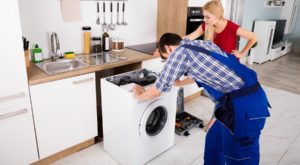 Even with the best intentions, it's impossible to address and regulate every issue that might arise in a rental agreement. Regarding household appliances, it's straightforward if tenants bring their own appliances into an empty apartment. But what if a washing machine is already installed in the rental apartment upon move-in? Who should bear the costs associated with its repair?
Was a contract concluded?
Besides the fact that every specific case is typically not included in the contract, some landlords prefer to rent out the property without any contract at all. This is an extremely advantageous position for the landlord in many ways: no taxes, no paperwork, and no brokerage fees. However, this approach runs the risk of leaving the relationship between the tenant and the landlord unregulated, meaning no one owes anything to anyone. So how can one figure out who should pay in this situation?
However, if the landlord and tenant are reasonable, a verbal resolution between the parties is entirely possible. It's just that if a conflict arises, it will be difficult to prove anything to anyone. That's why it's best for the tenant to insist on a contract, as it will only benefit them. As a rule, when officially registering a tenancy, the tenant makes a deposit, which the owner of the living space has the right to spend on repairing furniture, plumbing, or anything else if it breaks due to the fault of the tenant.If the owner's machine was defective or was initially rented in a faulty condition, the landlord is responsible for the repairs! But how can you determine whose fault it was?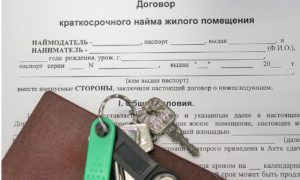
- Call a technician. Besides repairing the appliance, they can also determine the cause. Perhaps the tenant didn't follow the instructions for using the appliance. Or, conversely, the owner passed the machine off as brand new, concealing the defects.
- The above method is useful when it's truly difficult to determine the cause of the breakdown. However, there are situations where it's completely clear who is to blame for the problem. For example, the tenants may have caused a disturbance in the apartment, overturned furniture, and damaged the appliances.
Important! The landlord is also financially responsible for repairs if any defects arise due to natural depreciation.
Why does a formal agreement also benefit the landlord? Because in the event of a heated dispute with a tenant, when they are clearly at fault for a broken washing machine or other household appliance or item, it's easier to hold them financially responsible. After all, they can legally claim they don't owe anything, and, as unfortunate as that may sound, they'll be right. And the money saved by the landlord from paying taxes will be spent on cleaning up the mess. Is it worth it?
Agree on the shore
No one disputes that there are decent tenants and honest landlords who go years without any disagreements, even without a contract, deposit, or other paperwork. But no one is immune from encountering unscrupulous individuals. Therefore, it is better to resolve the issue of the rights and obligations of the parties officially, in writing, with the inclusion of passport data and signatures.Then any situation will be resolved legally, without wasting energy or money.
After all, if both tenants and landlords are honest people, it won't be difficult for them to prove their trustworthiness in a contract; it won't make a difference. But insuring against people with low levels of responsibility is quite possible this way!
Interesting:

Readers' comments
Headings
Washing machine repair




For buyers




For users


Dishwasher




Add a comment