How can I tell if the heating element in my washing machine has burned out and how can I fix it?
Although the heating element isn't considered the most vulnerable part of a washing machine, it still needs to be replaced approximately every 2-3 years. They burn out due to poor tap water quality, power surges, and frequent high-temperature cycles. How do you know when it's time to install a new heating element? You can check the tubular heating element yourself; even a novice can handle this task. Let's look at how to tell if a heating element in a washing machine has burned out, how to remove the old element, and how to install a new one.
How do you know if the heating element is faulty?
It is not easy for a “newbie” to find out that it is the tubular heater that has failed. Modern washing machines are complex devices, and a lack of water heating may indicate not only a broken heating element, but also a faulty temperature sensor, burnt-out semiconductors, or burnt-out tracks on the control board. To accurately determine the problem, you'll need to run a diagnostic test on your washing machine. A faulty tubular heater can be identified by a number of signs:
The machine doesn't heat the water to the set temperature. It's necessary to monitor the machine's operation on a program, such as "Cotton 60." Periodically touch the door glass—if it remains cold throughout the entire cycle, you may suspect a problem with the heating element.
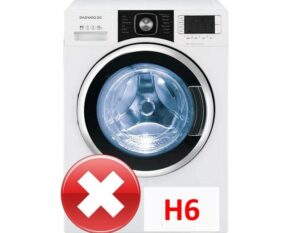
The washing machine displays an error code a few minutes after the cycle begins. Modern automatic machines are equipped with a self-diagnostic system, and if an error appears on the display, check the error code immediately. It's possible the unit is indicating a faulty heating element.
The washing machine is experiencing an electric shock. A breakdown in the housing is a very dangerous situation. When the tubular element is already in a "deplorable" condition, it can pose a health risk to users. Therefore, if you feel a noticeable tingling sensation when touching the washing machine, immediately unplug the machine and begin inspecting the internal components.
An unpleasant odor emanating from the appliance. When powder or a foreign object that has fallen into the tank becomes stuck to the tubular element's body, the heating element begins to emit a foul odor. This symptom may also indicate a problem with the heater;
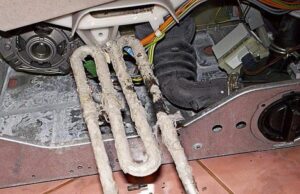
A thick layer of deposits on the parts. If, after removing the heater from its housing, you discover that it looks unpresentable—covered in scale and has traces of carbon deposits—you shouldn't delay replacing it. However, first, test the heating element with a multimeter—if it's in good condition, a thorough cleaning of the element will help.
If you notice any of the symptoms described above, it's best to check the heating element immediately. It fails more often than the temperature sensor or control module. Let's take a closer look at what to do and where to look for the heating element in your automatic washing machine.
We buy a replacement part
You can repair a washing machine with a burned-out heating element yourself, without calling a technician. The job doesn't require any special skills or abilities—all you need is patience and strict adherence to the instructions. To diagnose a tubular heater, you will need a multimeter.
To remove the heating element, you will need a standard set of tools: a screwdriver, a power screwdriver, and a 10 mm socket head.
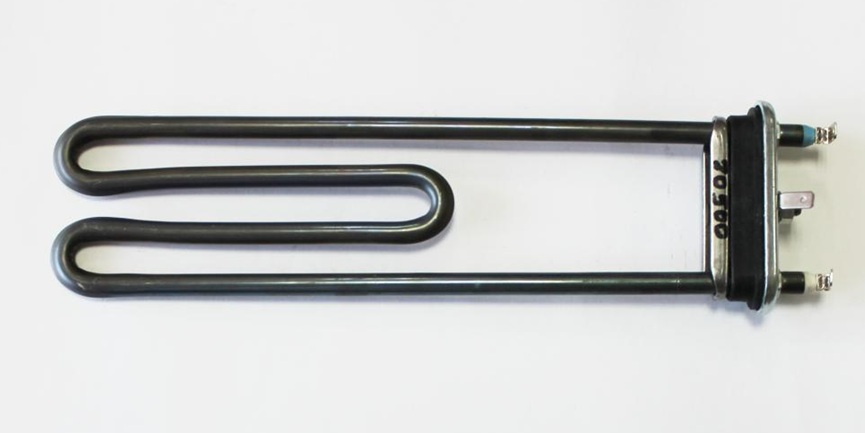
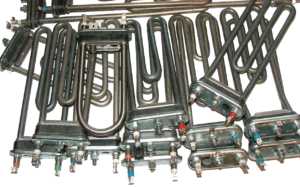
It's important to purchase a suitable replacement heating element. Ideally, remove the original part from the machine and take it to the store. In any case, when purchasing a heater, consider the following:
markings applied to the body of the old heating element;
model and serial number of the automatic machine;
Tubular heater power. Modern washing machines typically have heating elements rated at 1800-2000 watts.
Purchasing a new tubular heater is usually straightforward. A device with the required parameters can be purchased online or at a specialty store. Alternatively, you can contact a service center; their staff will be able to help you order the appropriate replacement part.
We are making a replacement
There are several reasons why heating elements fail quickly. First and foremost, hard water. The impurities it contains settle on the tubular heating element, impairing its thermal conductivity. Power surges and frequent high-temperature wash cycles also cause failure.
To check and, if necessary, replace the heating element, you'll have to partially disassemble the machine. Some front-loading machines have the heating element mounted at the front of the drum. In this case, you'll need to remove the top and front panels. On vertical-loading machines, the element is located on the side; simply remove the left or right panel.
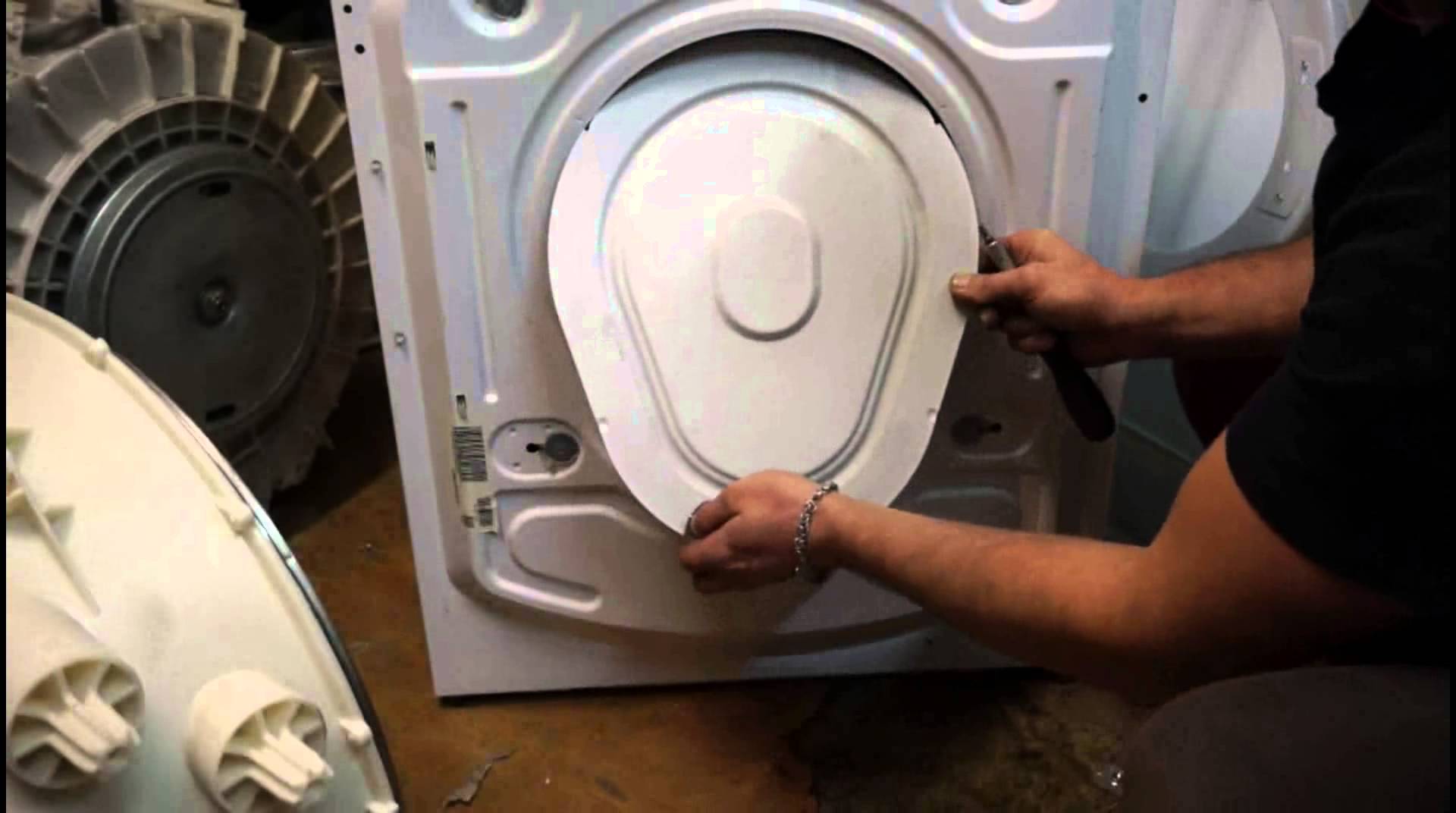
Most front-loading washing machines have a heating element located at the rear of the drum. Accessing it requires simply removing the rear panel or opening a service hatch (depending on the model). You may also need to remove the drive belt from the pulley.
Work carefully - be sure to turn off the power to the washing machine and turn off the tap that supplies the water.
The next steps will be as follows:
move the machine away from the wall and inspect its back wall;
Use a screwdriver to loosen all the bolts around the perimeter of the service hatch. You can also do this with a regular screwdriver;
remove the rear "technical" panel;
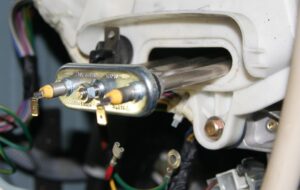
find the heating element – it is located on the left side, just under the tank of the automatic washing machine;
Take a photo of the wiring diagram for the heater;
disconnect all wires and power terminals from the heating element;
unhook the temperature sensor connector from the heater;
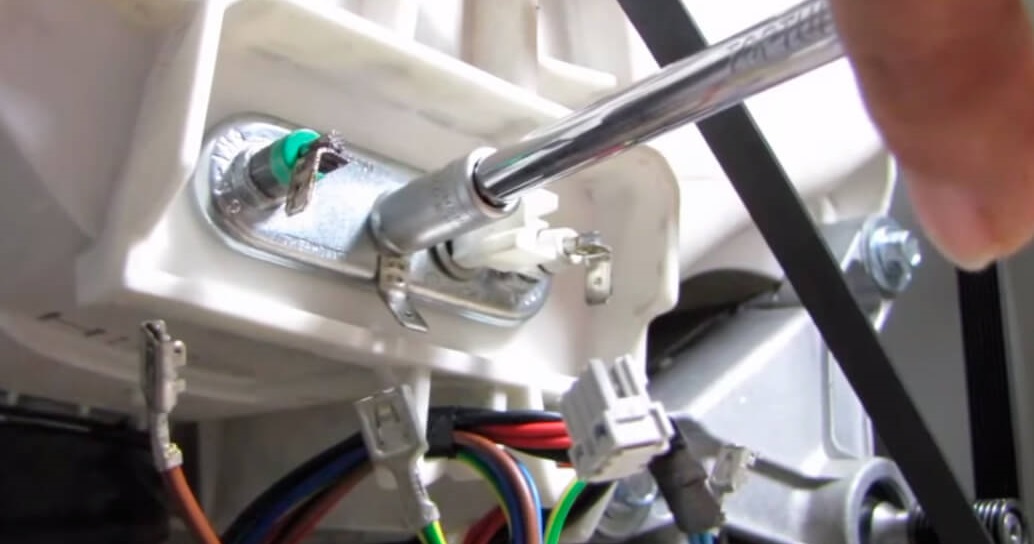
using a 10 mm socket head, unscrew the nut that secures the part;
push the center bolt inward until it “falls” in;
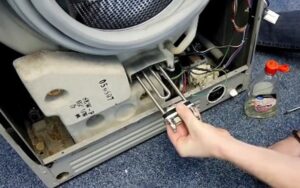
Grasp the heating element and, using gentle, rocking movements, remove the heating element from its “nest”.
If the heating element is difficult to remove from its housing, pour a small amount of dishwashing liquid into the gap. This will improve the sliding of the rubber seal, making it easier to remove the heating element.
After cleaning the seat, you can install the new tubular heater. It is secured in the machine with the same nut. It's important not to overtighten the fasteners, otherwise you could deform the heating element's seal. After that, reconnect all the removed terminals. It's best to refer to the photo to avoid confusion. Next, replace the service hatch panel, secure it with screws, and run a high-temperature wash cycle to test the machine.
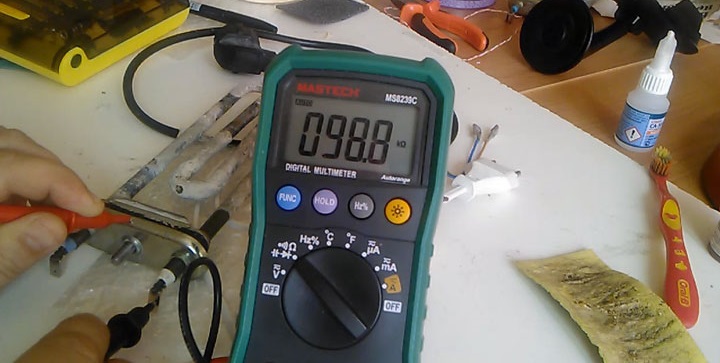
You can determine whether the removed heating element is truly broken using a multimeter. Set the tester to ohmmeter mode and apply the probes to the heating element's contacts. A serviceable element with a power of 1.8-1.9 kW should produce a resistance within 25-30 Ohms.
If the multimeter display shows zero, one, or an infinite number, the heating element will need to be replaced. The heater cannot be repaired, so a new part will be needed. If the part displays a normal resistance, check for a breakdown. Set the multimeter to buzzer mode and place the first probe on the heating element terminal and the second on the element body. A beeping sound from the tester will indicate a faulty tubular heater.

 Although the heating element isn't considered the most vulnerable part of a washing machine, it still needs to be replaced approximately every 2-3 years. They burn out due to poor tap water quality, power surges, and frequent high-temperature cycles. How do you know when it's time to install a new heating element? You can check the tubular heating element yourself; even a novice can handle this task. Let's look at how to tell if a heating element in a washing machine has burned out, how to remove the old element, and how to install a new one.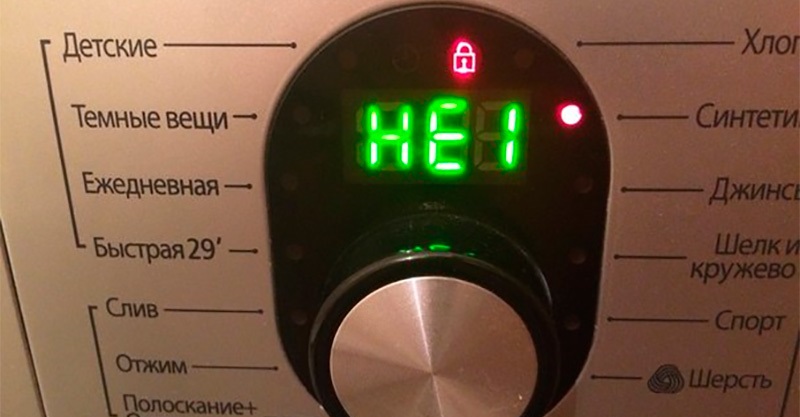















Thank you. Very useful information.
Thanks for the advice
If sand-like particles appear on your laundry after washing, is this a faulty heating element (burned out)?
I had this problem with a powder with a "washstand" symbol on it. I replaced it with another one, and the sand disappeared.
The machine turns off after 3-4 minutes. What's the reason?