
How to wash a school backpack in a washing machine?
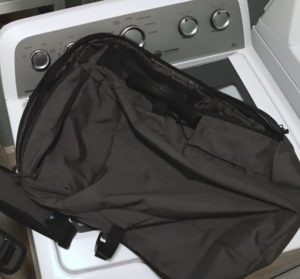 School bags rarely stay clean for long – children are often careless and throw their backpacks on the ground. Daily use only increases the rate of contamination, so regular washing is essential for parents. To ensure your backpack doesn't deteriorate after cleaning, you need to follow the proper cleaning procedures. The question remains: can you machine wash a school backpack or is it better to choose traditional care? We'll provide all the answers and instructions below.
How do I know if washing is allowed?
It's recommended to wash your school backpack every three months. But don't just throw it in the washing machine and run a random cycle—you need to prepare for the process in advance. The first step is to plan your upcoming cleaning by examining the manufacturer's label on the inside of the item.
The label indicates the optimal cleaning conditions for the product, along with the manufacturer's recommendations and restrictions. All information is coded with icons and indicates the permissible cleaning method:
- hand wash;
- Machine washable;
- Dry clean only;
- dry cleaning.
Before washing your backpack, be sure to read the label!
In the first three cases, you can clean your backpack at home. Dry cleaning is often an intermediate step. If dry cleaning is the only option, you'll need to take it to a professional. In any case, your backpack needs to be prepared for the cleaning process.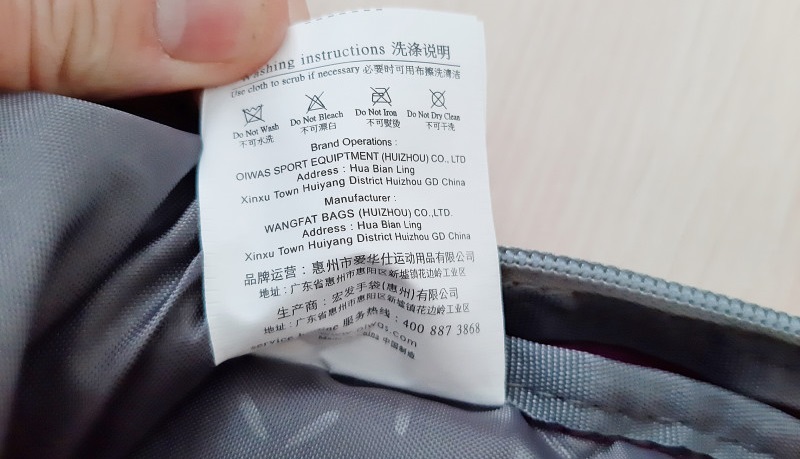
Preparing for the process
Preparing for washing begins with emptying the backpack. Remove all accessories, turn the bag inside out, and shake it out. Ideally, vacuum the insides to remove any debris lodged in the seams.
The next step is to carry out the required “repairs” to the backpack:
- fix zippers;
- cut off the fallen threads;
- sew up holes, cuts.
Next, assess the backpack's condition. If it's dusty, it's best to wipe the front with a damp cloth. If there are grease, grass, or ink stains, thoroughly treat them with a stain remover. It's recommended to choose chlorine-free products and follow the instructions carefully: apply to the affected area, rub in, leave for a while, and then rinse with water.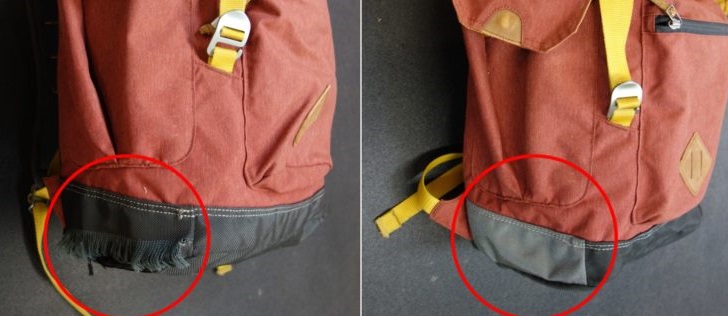
It's also a good idea to remove all detachable elements. If the straps and pockets detach from the backpack itself, it's best to detach them and wash them separately. With the compartments zipped, keep the backpack for machine washing only; for hand cleaning, it's best to unzip everything.
We use an automatic machine
The easiest way to wash a school bag is in the washing machine. This will both refresh the backpack and remove stubborn stains. Risks to the item will be minimal if you set the cycle correctly and choose the right detergent. It is recommended to follow the instructions.
- Close all provided zippers.
- Place the backpack in a special washing bag.
- Load the machine (if the backpack is small, you will need to add more things to fill the drum).
- Add detergent (gels are better, as powders are harder to wash out).
- Select the "Delicate wash" mode.
- Make sure that the water temperature is set to 30-40 degrees.
- Set the spin intensity (for textiles, 800-1200 rpm is allowed; for items with seals and an orthopedic back, 0-600).
- Start the cycle.
Backpacks are machine washable on a delicate cycle only.
Once the program is complete, the backpack is removed and dried. First, all pockets are opened, and then both the front and back are wiped with a dry cloth. Then, the bag is hung in the fresh air until completely dry.
Traditional care
Hand washing backpacks is more labor-intensive, but it gives you complete control over the process. Preparation is standard: empty the backpack, remove any stubborn stains, and unzip all pockets. Then begin washing: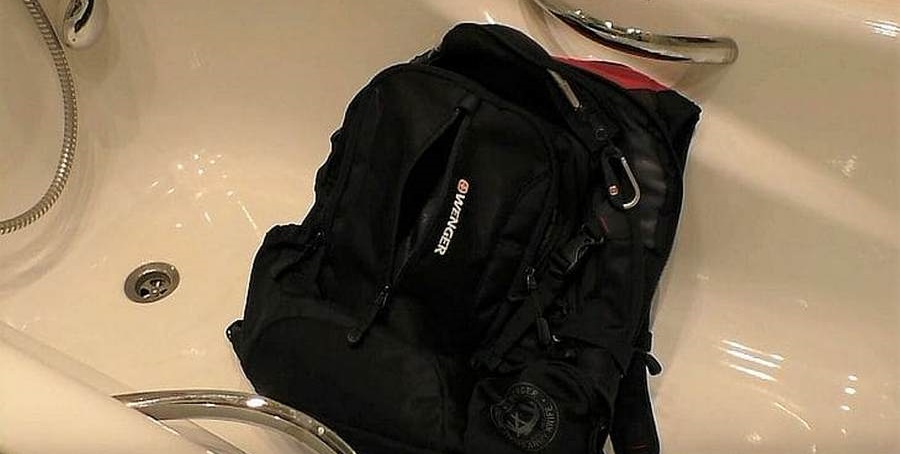
- fill a basin or bathtub with warm water;
- dissolve the detergent in water and lather it;
- we lower the backpack into the soap solution;
- We clean all surfaces of the product with a sponge, both from the front and from the back side.
Stubborn stains should be treated with a stain remover before washing.
After washing, move on to rinsing. Drain the old water, add fresh water, and thoroughly rinse out any remaining soap. Then, gently squeeze the garment and begin drying.
We clean without immersion in water
Some backpacks cannot be washed in water, as dry cleaning only is permitted. This is indicated by a crossed-out basin on the manufacturer's label. Typically, the following backpacks have this restriction:
- made of leather (natural and artificial) and vinyl;
- treated with a special impregnation;
- having non-removable elements that are contraindicated to get wet (for example, fur, leather inserts).
If the backpack can only be cleaned dry, avoid over-wetting the material. In this case, it's best to use a damp cloth to lightly refresh the surfaces. For stubborn stains, you can go beyond this limitation and scrub the soiled areas with a soft brush dipped in a mild soap solution.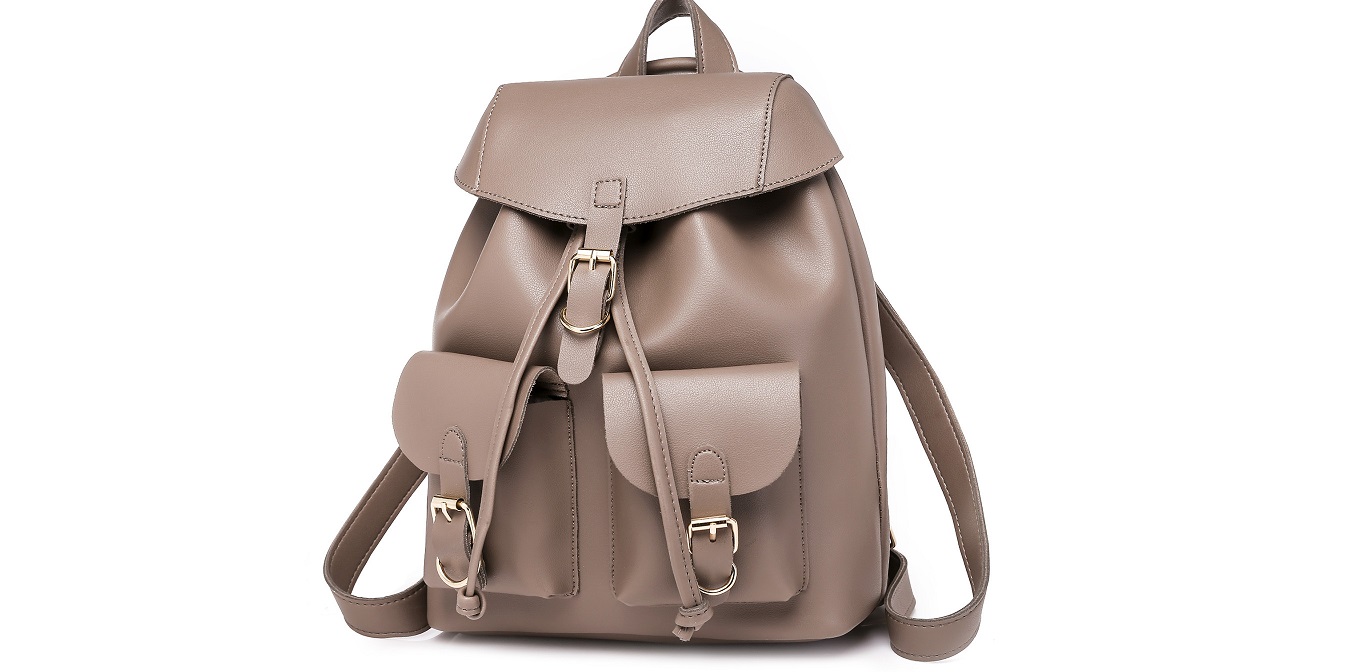
The best option is to use specialized foam cleaners. They work like dry cleaning, removing dirt from fabric without wetting it. They are sold online or in household cleaning departments. The following brands have proven themselves to be effective: LiquiMoly, Twist, Silver, Salton, and Saphir. If the portfolio is very expensive, it is better not to experiment, but to turn to professionals.
Consider the type of fabric
The washing method chosen depends on the type of fabric and construction of the backpack. School bags are made from a variety of materials, and to prevent them from deforming or losing their original color, it's important to consider all the nuances. This is especially true for backpacks with orthopedic inserts, patches, or permanent embellishments.
- Leather, vinyl, suede. Leather backpacks should not be machine-washed or hand-washed. It's important to ensure the gentlest possible cleaning, avoiding excess water, harsh detergents, or vigorous washing.
- Denim. Denim backpacks can be washed, but with some restrictions. Use the lowest temperature setting to prevent fading. Load separately from other items to prevent dye transfer, and turn off the spin cycle.
- Synthetics. The easiest material to care for, as they "love" washing and have no restrictions on temperature or spin strength.
The easiest way to reduce the risk of damage to a product is to read the manufacturer's label. There, the manufacturer not only indicates the fabric type and percentage of material used, but also recommends safe cleaning conditions.
Frame backpack
Many backpacks, especially those for elementary school students, are equipped with special orthopedic inserts. These are plastic or metal plates that help the backpack maintain its shape and ensure a secure fit on the child's back.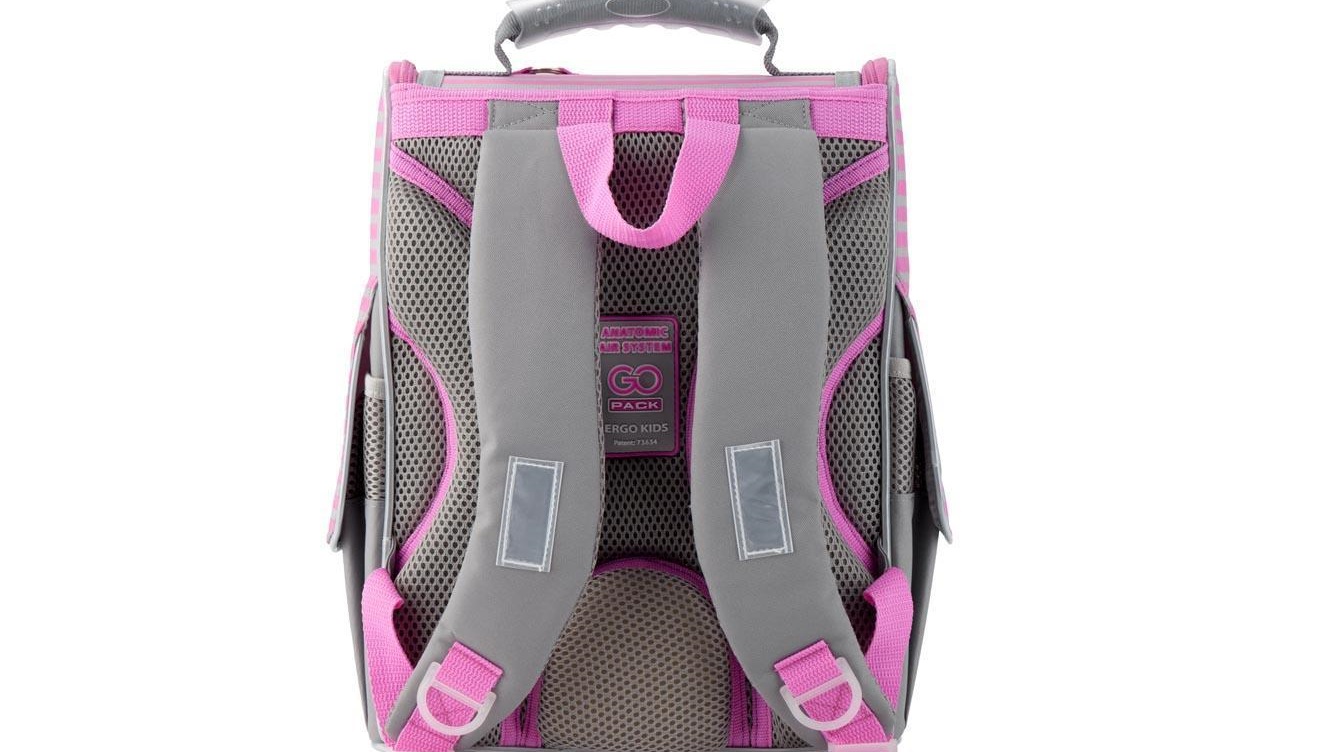
If the pads are removable, wash them as normal. It's best not to wash a backpack with a sewn-in frame, or avoid spinning or wringing.
How to get rid of moisture?
The washed backpack is dried naturally. The remaining water is poured out, and then all surfaces of the product are soaked with a dry cloth.
Next, turn the backpack upside down and hang it on a clothesline. To speed up drying, you can stuff the bag with paper, replacing it when it gets wet.
Interesting:


Readers' comments
Headings
Washing machine repair




For buyers




For users


Dishwasher




Add a comment