
Machine wash of a shower curtain
 Despite the proximity of water and detergents, shower curtains require periodic cleaning. Soap stains, limescale, and skin particles inevitably settle on the curtain. If the room lacks proper ventilation, the situation will be exacerbated by mold growth. There are two options: replace the curtain with a new one or wash it in the washing machine or by hand. The latter option is cheaper, so we'll go with it.
Let's use an automatic machine
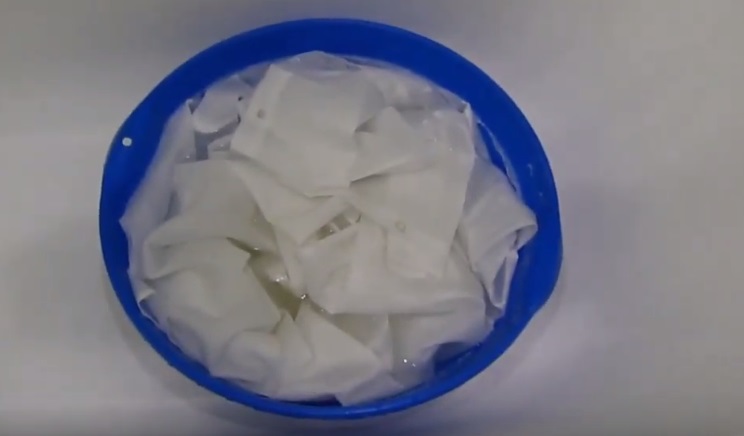
You can wash shower curtains in a washing machine, but there are a few rules to follow. First, remove any mold or dirt from the film before loading it into the drum. This is done in a jiffy: remove the curtains from the rod, unhook the rings, and soak them in a warm, sudsy solution. Wait a couple of hours, then brush over the soiled areas with a soft brush.
Once the curtain is ready, you can begin washing it. Load the curtain into the drum, add 2-3 more towels to fill the drum, and set the cycle:
- temperature – 40 degrees (sometimes 60 is allowed, as indicated by the corresponding icon on the label);
- program – “Delicate” or “Manual”;
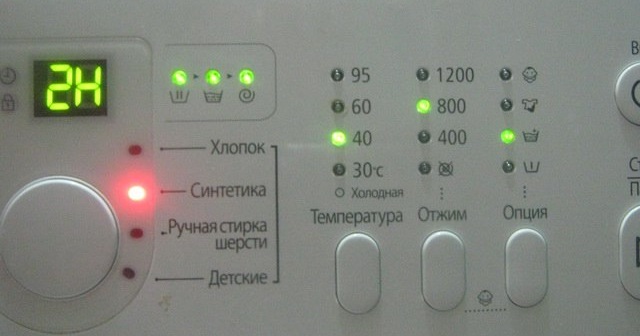
- spin – set to minimum or turn off;
- Automatic drying – turn off.
Spinning and drying are prohibited, as intense drum rotation and high temperatures can deform the material. Furthermore, this isn't necessary for curtains—just drain the water, shake the fabric, and hang it up.
It is recommended to wash your shower curtain monthly and wipe it down weekly.
There won't be any problems with detergent: either regular washing powder or gel, or homemade detergents will do. For example, baking soda, added about 250 g, will quickly clean the fabric. It’s even better to pour 250 ml of vinegar into the machine during the rinsing stage to disinfect the curtain and remove any remaining fungus from the surface.
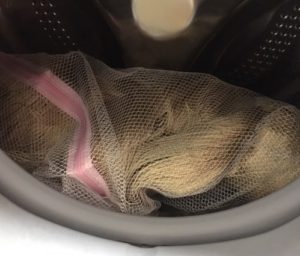
Once again, it's best to remove the curtain rings before washing. If they're not removable, it's recommended to use a mesh bag when loading the item into the drum. This will protect the machine from damage and prevent any loose parts from falling into the drum or drain.
Manufacturers typically recommend washing curtains regularly, at least once a month. However, polyester, PVC, and textile products also require interim care—a weekly damp "cleaning." Adequate ventilation is essential to prevent mold.
Traditional washing
When machine washing your curtain isn't possible, you'll have to do it by hand. The time it takes to hand wash depends on how dirty the curtain is. If there are only a few stains and streaks, there's no need to remove the film from the rod and perform an express cleaning. Here's the procedure:
- wet the curtain on both sides with a watering can or a spray bottle;
- Apply any product (liquid soap, dishwashing gel, diluted powder or shower gel) to a soft brush or dish sponge;
- foam the detergent;
- Wipe the curtain thoroughly, holding it with your palm on the opposite side (pay special attention to dirty areas and the bottom of the curtain);
- leave the soapy cloth for 2-5 minutes;
- rinse off the foam with warm water;
- evaluate the cleaning result, if necessary, repeat the treatment, cleaning out any remaining dirty spots;
- leave the curtains until completely dry.
If your curtains haven't been washed in a while and have developed stains or even mold, a quick cleaning won't suffice—a more comprehensive cleaning is needed. Depending on the degree of soiling and the cleaning products available, choose one of three washing options.
- Soak in lemon juice. First, remove the shower curtain from its rings, place it on the bottom of the bathtub, dampen it with warm water, and sprinkle baking soda on the dirty areas. Then, wet the shower curtain again with a watering can, turning the powder into a paste, and scrub the stains with a brush. Next, soak: replace the stopper, pour in 10-12 liters of water, and dissolve three packets of citric acid. Rinse and hang to dry.
- Use bleach. In severe cases, it's best to use professional cleaning products. However, before using, it's recommended to check the label and verify that the manufacturer allows bleaching. Dilute the cleaner strictly according to the instructions; on average, you'll need 1-2 capfuls per standard basin. Soak the fabric in the solution for an hour, then wash with a brush and rinse under the tap.
- Soak and treat with Vanish. Alternatively, soak the curtain in a soapy solution for 1-2 hours, then apply Vanish according to the instructions. Finally, rinse and hang up.
Before any manipulation, it is recommended to study the label. Some materials, such as polyester, are easy to care for and wash without any problems, while others are very capricious and demanding in terms of cleaning conditions.
Tips from the pros
To ensure a hassle-free wash, it's recommended to familiarize yourself with helpful tips from the pros. Knowing a few secrets and nuances can easily speed up the cleaning process and minimize the risk of damaging the material. These tips include the following:
- do not wash the curtain like any other item, do not rub the fabric against the fabric (otherwise the fibers will be damaged and deformed);
- To clean the canvas, you can use a foam sponge, an old toothbrush, or a soft cloth;
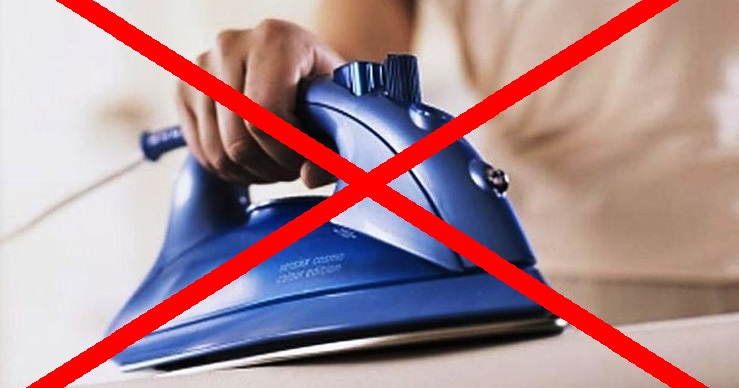
- Ironing the shower film is prohibited - it cannot withstand high temperatures;
- The curtain is dried in a vertical position naturally (without ultraviolet light or heating devices).
There's another trick that will help keep your curtain clean longer. A final rinse of the curtain in salted water will create a film on the surface of the material that prevents dirt and dust from settling.
How to remove stubborn stains?
Stubborn stains and advanced mold can't be removed with soap. To remove them, stronger solutions are needed—homemade or professional cleaners. For example, the following powders and liquids can be used to remove stubborn stains and mold from curtains made of polyester, PVC, and treated textiles:
- lemon;
- acetic acid;
- baking soda;
- regular powder, dry or liquid;
- bleach (Vanish and others).
The shower curtain must not be wrung out, ironed or dried on a radiator.
If the material is not prohibited from being cleaned with chlorine-based products, then Domestos or another similar product at a similar price will do an excellent job of removing ingrained mold.The main thing is to avoid using strong detergents when washing colored curtains, as bleaching agents wash out the pigment, discoloring the material. Don't forget about safety precautions. Chlorine-containing compounds should only be used in a ventilated area and with personal protective equipment.
Interesting:



Readers' comments
Headings
Washing machine repair




For buyers




For users


Dishwasher




Add a comment