
Can you wash a natural fur coat in a washing machine?
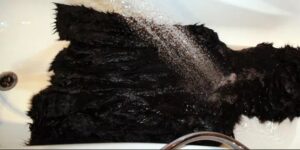
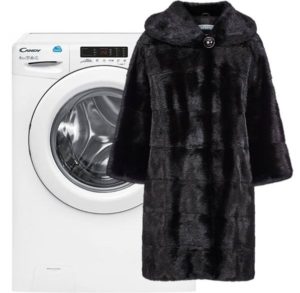
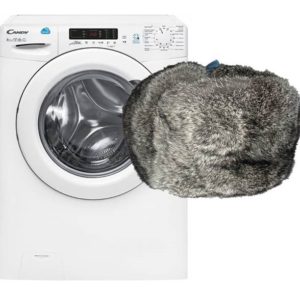
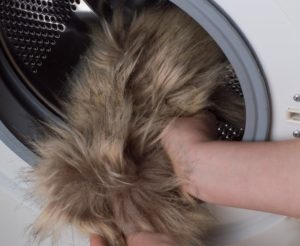
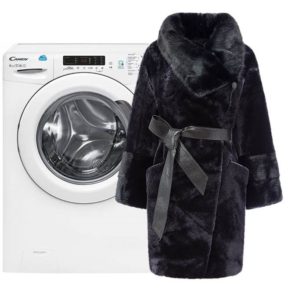
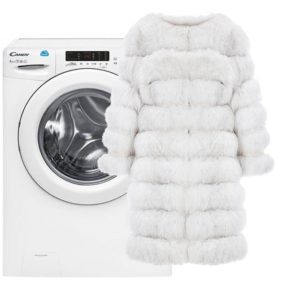 A washing machine and natural fur are incompatible. Even a single machine wash on the most delicate cycle will destroy the flesh side, and a once-fluffy and soft fur coat will fall apart before your eyes. This is especially true if the coat was made more than 3-5 years ago. It's forbidden to machine wash a natural fur coat, nor even wet it. Rabbit, mink, mouton, and arctic fox fur should only be dry-cleaned, either professionally or at home.
Does a fur coat need to be washed?
The fur coat is washed as rarely as possible and only if there is obvious dirt. Regularity is not necessary here: if the season is calm and clean, then cleaning should be postponed. It is enough to properly organize the storage of a fur product: comb it with a slicker brush, treat it with a moth repellent, put it in a special case and hang it in a spacious closet protected from the sun.
Mink, mouton and rabbit fur coats are cleaned only when dirty.
Fur cleaning should be done when the coat itself "asks" for it. Typically, the following "symptoms" indicate problems with cleaning:
- there are spots;
- the fluff got dusty;
- the original shine and gloss have been lost;
- the pile was crushed;
- The fur became greasy, hard and unattractive.
You can check to see if your fur coat is dirty with a quick test. Take a hairdryer, turn it on the cool setting, and direct the air stream at the garment. If the fur fluffs up and fluffs up, it doesn't need washing. If the fur is clumped or doesn't budge, you can't wait—it'll need to be cleaned.
A "hand" test can also help determine the condition of the fur. Clean mink and mouton are soft, silky, and delicate to the touch, while when dirty, the fur becomes stiff and hard. In the latter case, it's best to refresh the cape, but do so strictly according to the instructions.
Dry wash
Natural fur doesn't tolerate water, so it's safest to dry clean your fur coat. However, this method is only suitable for removing light dirt and dust. If the fur is stained with grease, wine, or juice, gentle cleaning won't save it. However, it's worth trying.
The ideal product for cleaning natural fur is talc.
The most effective dry cleaning product for fur is talc or baby powder. The procedure itself is simple and quick.
- The fur coat is laid out on a horizontal surface, floor or table.
- The fur is generously sprinkled with powder on top and lightly rubbed into the pile.
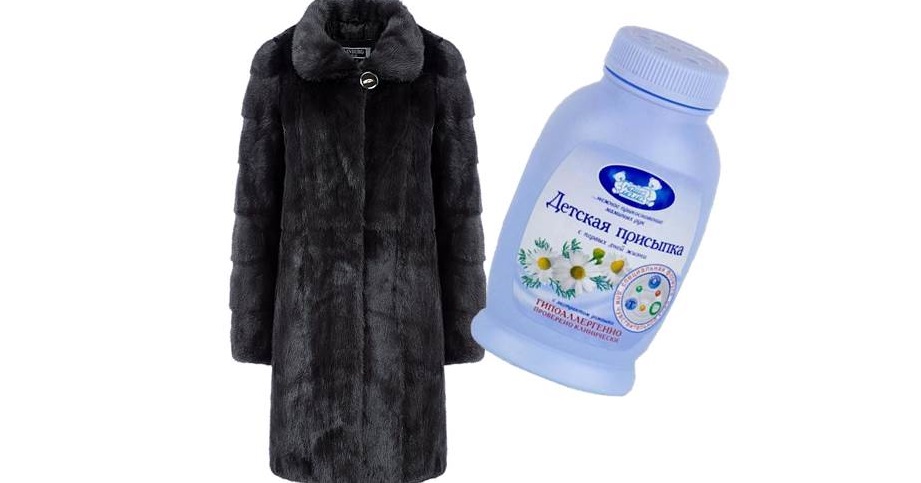
- Leave everything for 10-15 minutes, during which time the talc will absorb the dirt and darken.
- Darkened talc is removed from the fur coat by brushing and shaking.
- If necessary, cleaning is repeated several times.
Some housewives share alternative dry cleaning solutions: flour, starch, semolina, and bran. These substances are also natural absorbents, capable of absorbing dirt from fur without damaging the fibers. However, using them is not recommended, as they are "edible" and attract pests such as moths. These pests, despite their small size, can irreparably ruin an expensive item in just one season.
It's important to choose the right time for fur cleaning. The end of the wearing season, that is, early spring, is considered optimal. If you refresh your fur coat in March or April, you can kill two birds with one stone: firstly, you don't put it off until later and ensure proper storage; secondly, you can prevent insects whose larvae awaken in the summer.
Wet cleaning with caution
The main rule when wet cleaning fur is to avoid wetting the flesh side, the reverse side of the pelt. In water, it loses its softness and flexibility, shrinks, becomes brittle, and can crack. Therefore, it is recommended to protect the mink from rain and snow. If it does get wet, it is important to absorb the moisture and dry the item as quickly as possible.
Drying is a separate issue. The fact is that natural fur and its flesh do not tolerate high temperatures. Drying a wet fur coat with a hairdryer or on a radiator is strictly prohibited, as it will immediately shrink, dull, and become brittle and thin. Worst of all, the protein structures of the skin will "cook," causing the pelt to tear.
You can clean the fur itself with water, but be careful not to let moisture get on the flesh. It's best to follow these instructions:
- hang the fur coat on a wide hanger;
- fill a basin with water, dissolve shampoo in it and lather;
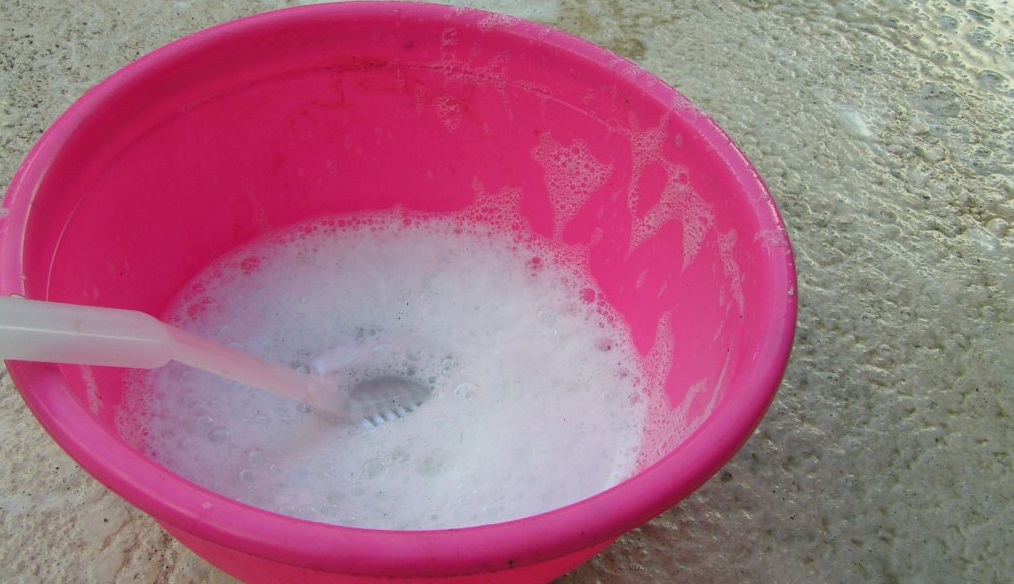
- grab the foam with a sponge and apply it evenly onto the pile;
- leave the foam on the fur for 1-3 minutes to allow the cleaning components to clean the fur;
- remove foam with a clean damp sponge or cloth;
- comb the cape;
- Dry the product naturally in a ventilated area away from heating devices and direct ultraviolet radiation;
- After drying, comb the fur coat again.
Only the fur and undercoat are treated with a soapy solution. Instead of regular shampoo, you can use any pet detergent with a more natural composition. Delicate laundry gels are also suitable.
Grease stains can be removed with an alcohol-salt solution:
- mix half a liter of water, 40 ml of ammonia and 20 g of salt;
- dip the sponge in the solution;
- We wipe the stains until they disappear.
Matted and greasy fur can be brought back to life with an ammonia solution. Mix ammonia with water in a 1:2 ratio, soak a sponge in the resulting solution, and apply it to the fur. Then dry the coat and comb it.
We clean with sawdust
White and light-colored fur coats require a special cleaning method. Conventional methods can cause the fur to turn gray and become dull, so it's best to use sawdust. It's easily available at any pet store. It is better to choose shavings from maple, oak and other non-resinous trees. Spruce and pine are prohibited - the resin will ruin the fur.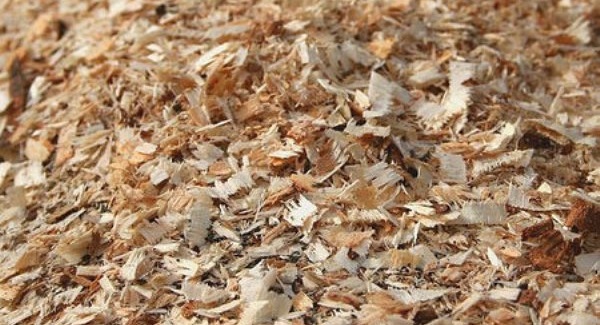
We proceed as follows:
- put sawdust in a basin and moisten it a little with alcohol;
- we lay the fur coat on the floor;
- we distribute the sawdust over the fur, pressing it down to the undercoat;
- we remove sawdust;
- shake out the fur coat.
Sawdust will quickly absorb dirt, leaving your white fur coat clean, fresh, and fluffy. The key is to completely remove the shavings from the pile.
Interesting:

Readers' comments
Headings
Washing machine repair




For buyers




For users


Dishwasher




Add a comment