
Washing machine siphon – installation and connection
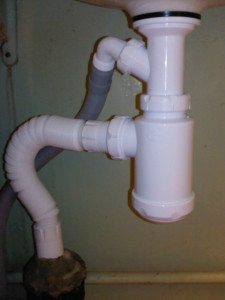 Modern household appliances have become an integral part of any home. Washing machines come in a variety of sizes, allowing them to fit into virtually any bathroom or kitchen. The variety of models allows for a wide variety of design options. They can also be built into furniture, installed under a sink or countertop, and so on. When installing a washing machine, it's advisable to use a trap. This small device will prevent the unpleasant sewer smell from spreading throughout the room. This function is achieved by a water seal.
Let's discuss the correct connection of the machine using a siphon.
Connecting a siphon for a washing machine
The documentation supplied with this type of household appliance usually specifies the water pressure required for the washing machine. When connecting the washing machine on a high floor, ensure that the difference in height with the storage tank allows for sufficient pressure.
Typically, such problems don't occur on the ground floors of buildings. The water pressure there is usually sufficient for washing machines to function properly. However, if you plan to install more than one washing machine in your apartment, you should consult with professional installers to determine the feasibility of the installation.
Let's look at a schematic description of how to connect the machine to the water and sewer system (we have removed the washing machine itself from this diagram):
- Half-inch supply pipe.
- Machine valve.
- Reason: The hoses are plastic.
- Pouring water.
- Water drain hose.
- Water intake pipe
- Drain siphon.
- Sewer pipe for water drainage (one and a half inches).
We supply water and install self-tapping valves
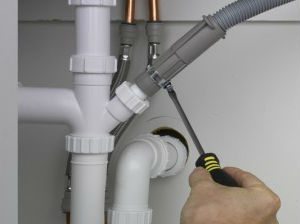 Your new washing machine also comes with plastic hoses. These are used to connect the appliance to the cold water supply and sewer system. They're located on the back of the machine. At the end of one of the hoses (the thinner one) is a small plastic threaded ring. This is used to secure the hose to a special branch of the water pipe.
Washing machines also usually come with a valve for connecting to the pipe. This allows you to shut off the water supply to the washing machine if necessary. It's very convenient to use. After all, even if you shut off the water to the machine, water continues to flow to other parts of the apartment. Therefore, you can use it in the bathroom, kitchen, toilet, and other places (if you have water lines elsewhere).
If you didn't find a valve in the kit, you'll need to purchase one yourself. They're sold at plumbing supply stores. It's best to buy a German or Italian valve. They can last for years, even decades, unlike cheap Chinese ones, which can break after just a few months. An unexpected valve failure will likely cause a cold water backflow, which could flood your apartment or your neighbor's.
Something as unpleasant as a flood doesn't evoke pleasant emotions. And it can also lead to problems. For example, you might have to pay for the money your downstairs neighbors spent on repairs that were ruined by the flood. Therefore, it's important to be very careful when choosing a ventilator. And don't skimp too much on the purchase.
In some cases, you can use a special self-tapping valve. This valve can make the necessary hole in the water pipe without shutting off the water supply. These valves are color-coded and also have a threaded connection for the machine's inlet hose.
These valves are suitable if there are no other water intake devices further down the pipe. These devices can require quite a lot of pressure, and a built-in self-tapping valve can significantly reduce this pressure.
Installation of a self-tapping valve
Next, we will look at how to install this wonderful item:
- First, you need to screw the plate to the wall surface to install the clamp.
- Then, place the overlay piece with the rubber gasket on it. After that, check to make sure it's securely in place. After that, you can screw it in place.
- Next, turn the valve so that it's in the closed position (the position where no water should flow). Then, screw it into the cover plate. The part of the valve that penetrates the water pipe contains a special cutting surface. This will create the necessary hole.
- Once the valve has penetrated the pipe to the required depth, tighten the control nut using a wrench of the appropriate diameter. Then, screw the end of the washing machine's inlet hose onto the threaded branch.
Before turning on your household appliance for the first time, remember to set the shut-off valve to the open position. This will ensure the supply of water to the machine.
Branches
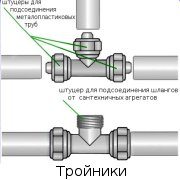 Next, we'll discuss other requirements for properly connecting a washing machine to cold water and sewerage. We'll also discuss how to install a trap for our machine. Incidentally, if there are no bathroom water pipes near the washing machine, you can connect it to any suitable pipes, such as those in the kitchen. To do this, you may need to run a branch pipe to your appliance.
It should be positioned so that the machine can be easily connected. A special adapter should be installed at the end of the pipe, onto which a hose can be screwed. Make sure it has a shut-off valve. You can also install the valve elsewhere in the pipe, rather than at the end. It's best to choose one that's easily accessible and doesn't require much reaching. In other words, it's important to make everything convenient so you can easily turn the water on and off as needed.
Before making such a branch, be sure to turn off the water to the riser. You may need to contact your local housing office for this. If you're unsure of your plumbing skills, you can call a professional plumber. You can also find one at your local housing office or online. May Google and Yandex be your guide!
After the pipe and adapter are installed, you need to screw the machine's inlet hose to it.
Draining water
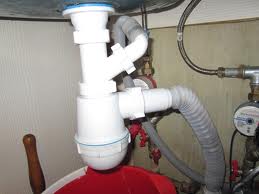 This is where the trap comes in handy! It's installed on the pipe and used to prevent unpleasant sewer odors from entering your home through the washing machine drain connection. When installing the drain hose, it's also important to consider its height. You can find this information in the documentation that came with your machine. If we couldn't find specific figures for the permitted drain height, we recommend it be no higher than sixty centimeters from the floor.
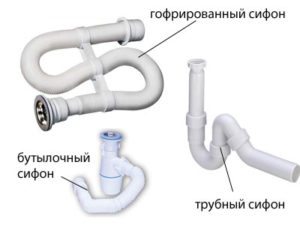
If you have a sink next to your washing machine, you can connect the drain to it. A special siphon can be used for this, allowing you to connect both the sink drain and the washing machine drain. You can also drain the water directly into a sink or bathtub. A plastic hook is included with your washing machine specifically for this purpose. Attach the end of the drain hose to it. This hook, with the hose, then hangs on the corner of the bathtub or sink.
A video that shows you everything you need to properly connect your washing machine:
Interesting:
Readers' comments
Headings
Washing machine repair




For buyers




For users


Dishwasher




Add a comment