
The siphon effect of a washing machine
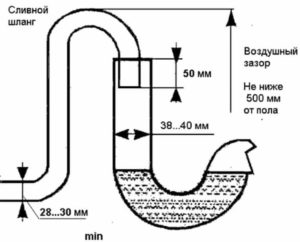 Due to the siphon effect, a washing machine can accidentally drain water from the drum into the sewer or, worse, reclaim the drained liquid. This negatively impacts the washing process: clothes are poorly washed, the machine freezes, and errors occur. This phenomenon is often caused by improper installation of the washing machine, and is more common among residents of upper floors of apartment buildings. It remains to be seen why this happens and how to prevent it.
Why does this phenomenon occur?
The siphon effect in a washing machine is caused by improper installation. Specifically, the machine is installed out of alignment with the frame or the drain hose is connected too low. This creates a pressure differential, causing the washing machine to "squeeze" water out of the drum or draw waste from the drain.
The bend of the drain hose should be at a height of 50-60 cm from the floor level.
To avoid installation errors, strictly follow the instructions. As a rule, the drain outlet should be located 50-100 cm above the floor. This position ensures that the hose bend is positioned above the maximum water level in the drum, and after the cycle, the waste liquid is pumped into the drain in the usual manner. When the sleeve is lowered below the 50 cm mark, problems arise and self-draining occurs with all the consequences.
You can suspect the manifestation of the siphon effect by several signs: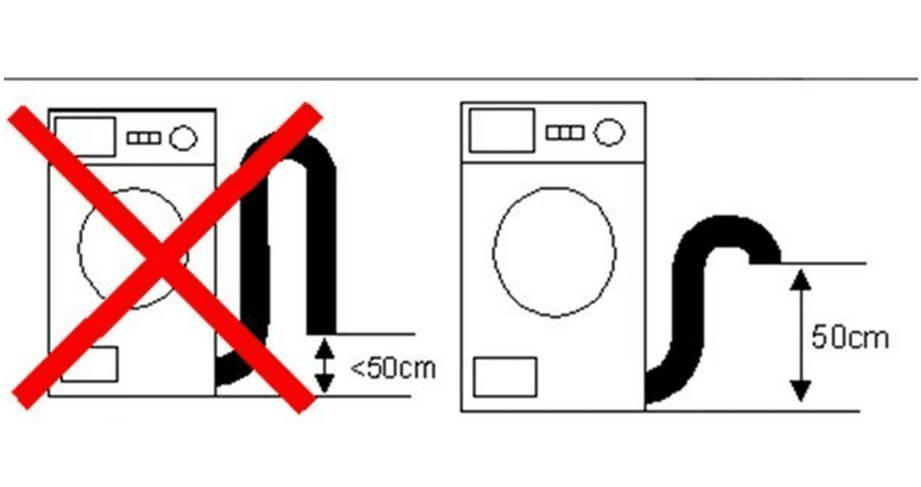
- washed clothes smell bad;
- the washing program takes longer than usual;
- the drain does not work, water remains in the drum;
- The laundry became harder to wash.
The siphon effect is the cause of all these problems. If the drain pipe diameter is larger than the drain hose, or if the hose bend height was adjusted incorrectly during installation, the pressure is released, and the smart appliance begins to draw the missing liquid from the water supply or drain. This affects the cycle time and wash performance.
A special valve will help
A non-return valve can be used to prevent the siphon effect of a washing machine. This device controls water drainage and prevents waste from returning to the drum. Using a special flap, the device allows water to drain during a standard flush, but closes the entrance to the machine if waste is drawn in from the sewer.
Home appliance manufacturers are just beginning to equip new washing machine models with built-in check valves. Owners of existing machines must ensure siphon-proofing themselves and purchase additional devices. The following types of devices are available: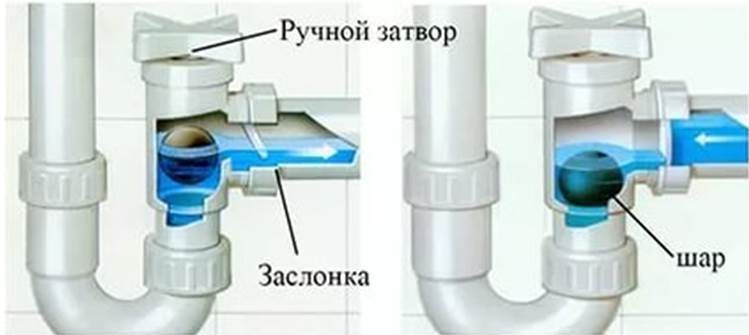
- solid;
- segmented;
- mortise;
- wall-mounted;
- installed under the sink.
Valves differ in installation details, size, and application. Segmented valves are used when tap water is dirty, as they are easy to disassemble and clean without difficulty. Wall-mounted valves are compact and attractive, but they are more expensive and are installed if the existing drain is located near the walls and the front panel of the washing machine.
Insert valves are installed directly into the sewer pipe: first, a cut-in is installed, and the device itself is fixed in it.Throttle valves installed under the sink are considered universal, as they fit all plumbing fixtures, are inexpensive, and are easy to install.
You should consider installing a check valve if your washing machine is connected directly to the sewer line, the pipe is low, and there's no way to raise the connection. If your washing machine is equipped with a standard hose and then connected via a siphon, there's no need to worry: in this case, the siphon effect is eliminated.
How does the device function?
Installing a check valve will prevent the washing machine from siphoning. The device is installed in the sewer pipe, and the joints are covered with special reflectors. You can do this yourself, but it's best to hire a professional.
As a result, the water drainage stabilizes. After the cycle ends, the wastewater is pumped out of the drum and does not return, even in the event of pressure issues or other malfunctions.
Connection nuances
Proper installation of the washing machine can prevent siphoning. You don't need to hire a plumber; just follow the instructions and keep an eye on the hose height. It is advisable to clean the drain and pipes before connecting the machine, ensuring free flow of liquid.
It's important to securely fasten the drain hose. Remember that the hose "pulsates" when the pump is running, and a loose fastening can break and cause a leak with all the consequences.
Interesting:
1 reader comment
Add a comment
Headings
Washing machine repair




For buyers




For users


Dishwasher




There's no siphon effect. Water is squeezed out of the washer, the pump turns off (the hose is raised 70 cm on the back wall), and the water falls and flows into the drain. There's no water in the hose, then water fills the washer's tank, and everything is fine. Where is your noodle-like siphon?