How many shock absorbers are there in an Indesit washing machine?
Despite the drum's extremely high spin speed, washing machines remain in place thanks to their sophisticated shock-absorbing system. At least, this is true as long as these components are in good working order. While shock absorbers once ensured stability, dampers are increasingly common in household appliances today. Let's look at how many shock absorbers an Indesit washing machine has, how to maintain them, and how to replace them if they fail.
Number of shock absorbers
In modern "home helpers," the drum rotation speed during the spin cycle can reach 1,600 rpm, so the springs and dampers must be of impeccable quality to withstand such high vibration. The springs in the system are necessary to balance the drum at the top, while the dampers control the bottom element.
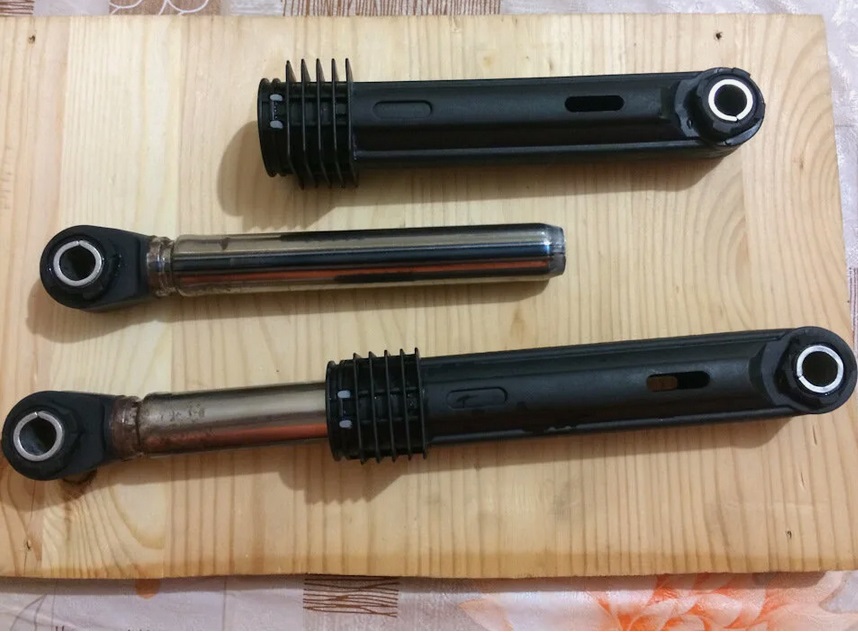
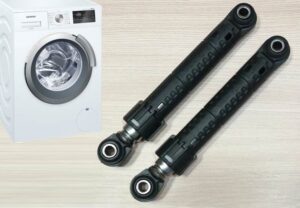
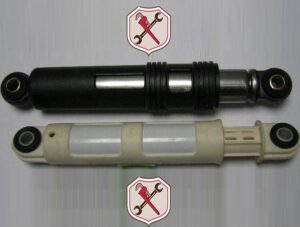
The new shock-absorbing system consists of struts with pistons that dampen excessive vibration and maintain balance in the washing machine's drum. Their main advantage is that, unlike shock absorbers, dampers lack internal springs, which often wear out over time and cause system failure. Unfortunately, even without springs, this assembly contains components whose integrity is crucial to the effectiveness of the shock-absorbing system. Therefore, dampers are also vulnerable to wear and tear during active use of the washing machine, but they are still often used due to their low cost.
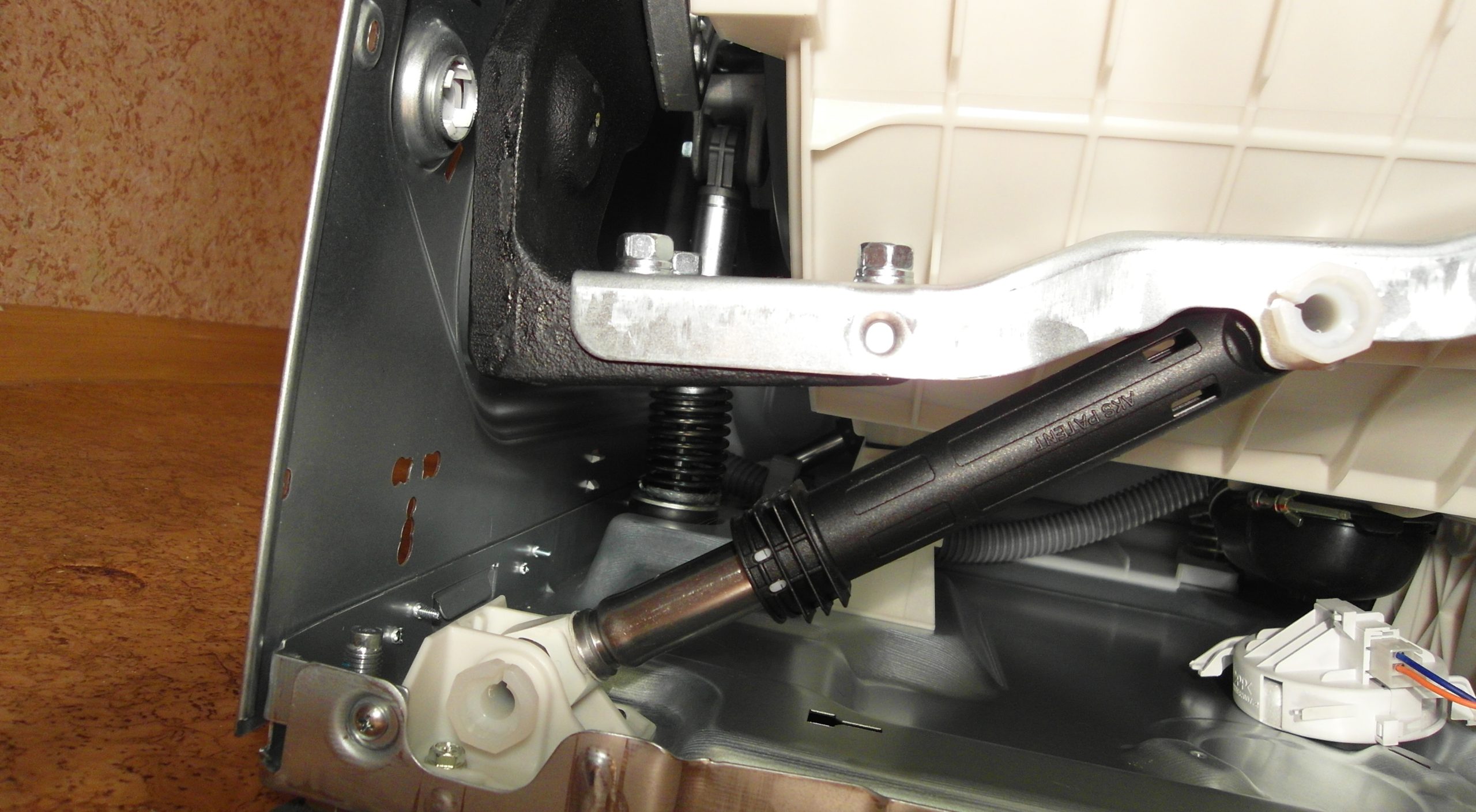
In new Indesit washing machines, the manufacturer installs two dampers, placing them on opposite sides of the washing tank. Often, users experience a failure of only one component, while the other continues to function properly. Even in this situation, replacing only the deformed part is not recommended, as this will lead to an imbalance in the system due to the difference in the condition of the components. Leaving the machine in this state is also unacceptable, as vibration will be dampened unevenly, causing the imbalance to cause the washing machine's drum to bang against the machine's body, risking either failure or damage to other internal components.
How to check the functionality of the machine racks?
If you notice your Indesit washing machine is performing worse, don't immediately buy a new shock absorber. First, you should conduct a simple shock absorber diagnostic to ensure they truly need replacing. To do this, you'll need to remove the parts and inspect them.
Examine the element carefully.
Press down on the plunger.
Remove the rod from the automatic washing machine housing.
Estimate the resistance provided by the part.
If you can only compress and release the piston rod with visible force, it's perfectly fine and doesn't need replacing. However, if the piston moves very easily, is easily removed from its groove, or doesn't respond to pressure at all, as if stuck, the damper definitely needs replacing. This means the shock absorber can no longer effectively combat vibration, so it should be replaced with a new spare part as soon as possible.
Always keep a close eye on your "home assistant" - if it makes strange sounds during the working cycle, then this is a reason to carry out diagnostics.
Early detection of a problem can save not only the washing machine's drum but also its other key components. Therefore, don't be lazy during the test. In addition to checking the piston resistance, you should also carefully look for signs of rust and deposits, as well as check for grease in the piston, as this component cannot function properly without it. If the piston no longer has a seal, you need to dispose of the faulty component and install a new one.
How to replace a damaged part?
Once a breakdown has been detected, you should never delay repairing your Indesit washing machine. In this situation, delay can only worsen the problem and significantly increase the cost of repairs. As soon as you suspect a problem with the shock absorber assembly, you should immediately test the dampers and replace them if necessary. What should you do?
Prepare pliers or a hammer, a Phillips head screwdriver, and a slotted screwdriver.
Disconnect the washing machine from the water supply, sewerage system and electrical network.
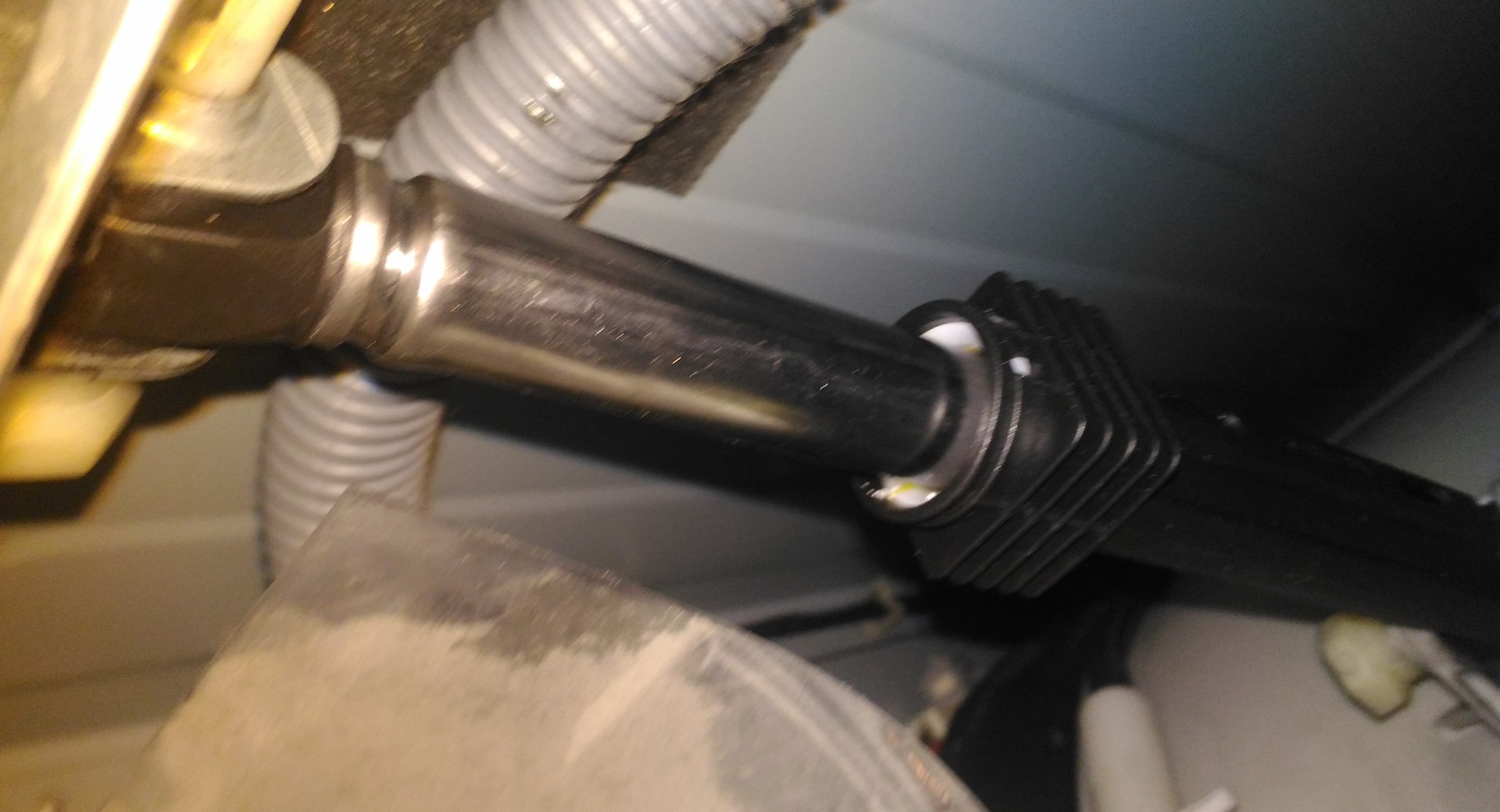
Turn the washing machine upside down to make it easier to access the dampers - they are located on different sides of the washing machine drum and look like small stands.
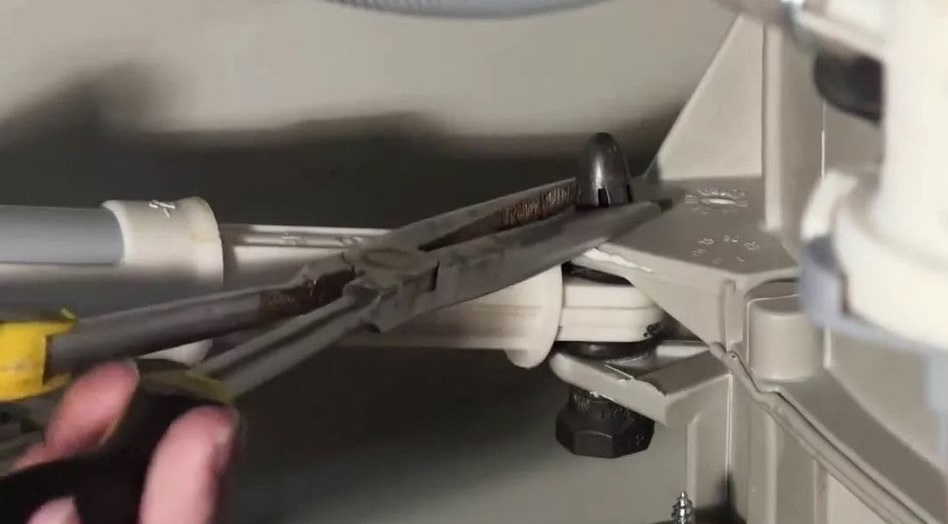
Locate the retaining pins on the ends of the dampers and then clamp their tongue.
After this, you can push the pins into the part and then knock them out with a hammer.
Repeat the described procedure from the other end of the part, and then on the second damper.
Remove the shock absorbers from their mounting locations.
You should buy original spare parts, which can be determined using the washing machine's serial number or the damaged parts themselves, which you can take to the store as an example.
For repairs, you'll need to purchase two dampers at once to ensure the unit evenly dampens the device's vibrations. Install them according to similar instructions, but in a different order.
Turn the element upside down to prevent dust from getting into it, which could negatively affect the condition of the part.
Install the damper into its seat.
Place the piston into the groove, which may not be possible right away because the stud always enters the new shock absorber element with great difficulty.
Be sure to check all the retaining pin tabs to ensure they are properly engaged and securely fastened. If a retaining pin won't lift, gently pry it up with a small screwdriver or similar tool.
Once the machine is repaired, return it to its original position, remove the top panel, and gently press down on the washer's tub with your hands. If you release the tub and the wash basin immediately rises to its normal position, everything is fine. Replace the lid, connect the machine to all utilities, and test the operation with a test wash.

 Despite the drum's extremely high spin speed, washing machines remain in place thanks to their sophisticated shock-absorbing system. At least, this is true as long as these components are in good working order. While shock absorbers once ensured stability, dampers are increasingly common in household appliances today. Let's look at how many shock absorbers an Indesit washing machine has, how to maintain them, and how to replace them if they fail.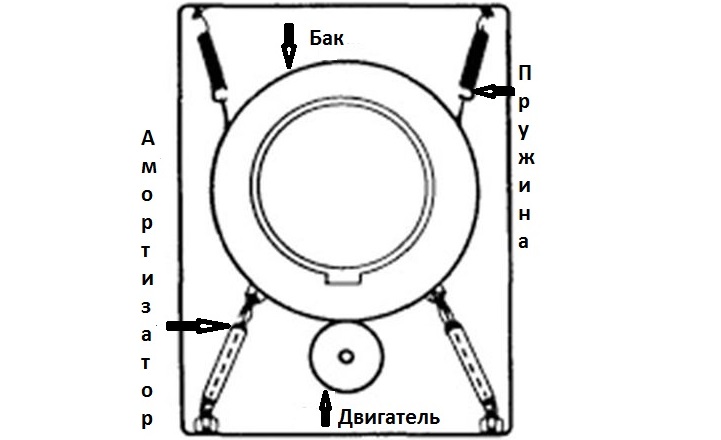















Add a comment