
How much conditioner should I put in my washing machine?
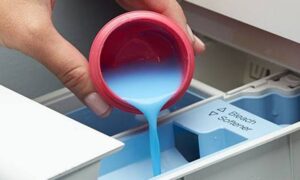 Although fabric softener isn't considered a primary detergent, but rather a supplement, its dosage is no less important for the quality of your washed items. Add too little, and it won't have any effect, wasting the product. Add too much, and other unpleasant symptoms will occur. So, how much fabric softener should you add to your washing machine?
Determining the dose of conditioner
Rinses come from different companies, and there's no standard dosage guide. If you still have the original conditioner packaging, it's worth checking it for dosing information. Otherwise, you'll have to rely on general recommendations. Popular opinion says that the only rule in this matter is: never pour conditioner above the mark in the special compartment of the dispenser.
Some housewives worry that this amount of fabric softener may be too much for a drum that's not completely full. If you're worried about overdoing it, use this rule of thumb: if the drum is half full, add half the amount of fabric softener marked on the dispenser.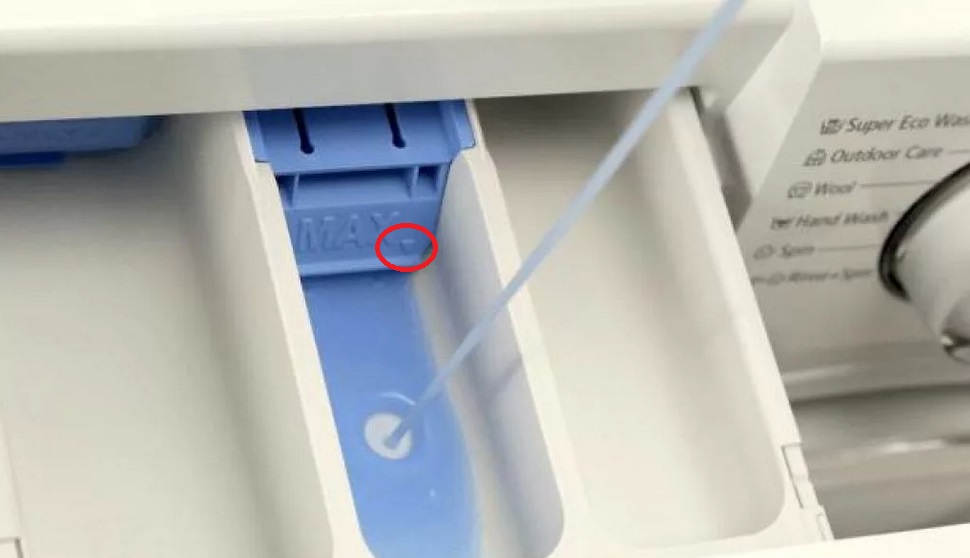
Some manufacturers make fabric softener bottle caps in the shape of cups. This allows you to pour one cup into the machine per wash cycle if the fabric softener is not concentrated.
Important! Fabric softener must be diluted with water before being applied to clothes. Therefore, pour it into a special compartment, not directly into the drum!
Recommendations for using mouthwash
To ensure consistently high-quality washing, you need to pay attention to every detail, including the correct use of fabric softener. Everything will work out if you follow a few simple rules.
- Follow the dosage. Don't be stingy, or there won't be any effect, and don't overdo it, or it may leave an unpleasant residue on your clothes.
- Be careful about the type of fabric softener you use. Some housewives confuse them with gels, stain removers, and other washing machine products, and then no amount of dosage can prevent unpredictable washing results.
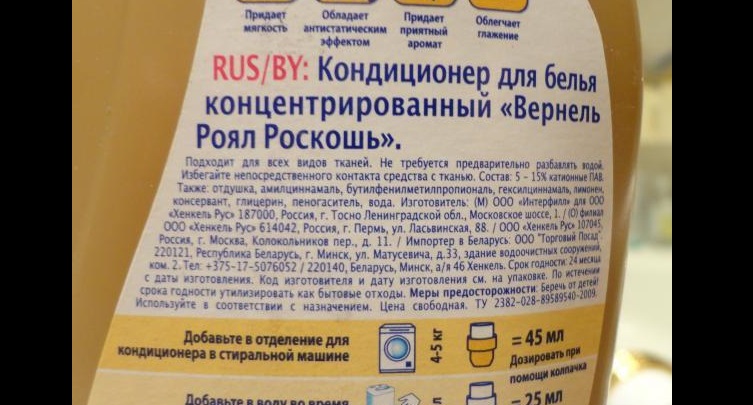
- Special fabric softeners (for baby clothes, for black clothes) should be used strictly as directed, as each contains specific properties that may be harmful to other types of clothing. If you're worried about confusion, buy universal fabric softeners that won't harm any type of laundry.
- Concentrated fabric conditioners are diluted with water in a ratio of 1 to 3. Otherwise, they will be difficult to wash out of the fabric fibers.
After each cycle, it's a good idea to rinse the detergent compartment under running water. Stagnant fabric softener forms a slimy residue inside, which clogs the dispenser tubes. As a result, the machine simply won't be able to transfer either the detergent or the fabric softener into the drum.
How to pour the product correctly?
In modern washing machines, fabric softeners are poured into the drum before the wash cycle, along with the detergent, each in its own compartment. Then, simply select a cycle that includes a rinse cycle, and the machine will do the rest.
However, some older models don't have a fabric softener compartment. In this case, the fabric softener is added directly to the drum, but not before the main wash. Here's how:
- select a program without rinsing;
- wait until the end of the cycle;
- pour the appropriate dose of rinse aid into the drum;
- start rinsing.
Try not to pour fabric softener on clothes (if undiluted fabric softener comes into contact with clothes, it rinses out poorly, leaving stains and streaks, all of which can be unpleasant to the touch). Therefore, it's even better to purchase a special detergent container, pour the fabric softener into it, and then place the container directly into the drum. This will ensure a positive outcome, and your clothes will be in excellent condition after washing!
Interesting:



Readers' comments
Headings
Washing machine repair




For buyers




For users


Dishwasher




Add a comment