
How many sets of bed linen can you put in a washing machine?
 When using an automatic washing machine, it's crucial to adhere to the manufacturer's maximum load capacity. This is specified in the machine's instructions. For example, in a 5 kg washing machine, you cannot load clothes weighing more than the maximum load capacity into the drum.
Sometimes, to save time, housewives try to cram all their laundry into the machine, cramming it tightly. This is unacceptable. Let's figure out how many sets of bed linen can be loaded into a washing machine at one time and how to calculate the maximum number of sets.
We focus on weight
In fact, it makes no sense to rely on the number of pillowcases, sheets and duvet covers. Sets vary in size, type and fabric, so the weight of dry linen will vary individually in each case. Washing machines also have different capacities. One machine can easily fit ten sets of bedding, while another can only fit five.
To determine how much bedding will fit in your washing machine at a time, use a kitchen scale. Place a bowl on the scale and note its weight. Place the linens you want to refresh in the bowl—this will give you the total weight of the fabric.
It is recommended to immediately weigh all the bedding sets in the house, write down the data in a notebook, and put this information into practice in the future.
So, during your next wash, simply add up the weight of all your dirty bedding sets. Then compare this number to the maximum load capacity specified in the technical data sheet. If the load capacity is within the specified limit, feel free to toss the sheets and pillowcases into the drum.
Don't put too little laundry in the washing machine; it's just as bad as overloading it. Try to fill the machine optimally. This will improve the washing quality and extend the life of the machine.
What if there is very little linen?
The minimum load is just as important as the maximum. The weight of the items loaded in the drum determines how much the washing machine vibrates and shakes during the spin cycle. This affects the lifespan of the machine's key internal components. Constantly running the machine empty will inevitably lead to breakdowns.
Be sure to load at least 1-1.5 kg of dry items into the washing machine.
This limitation isn't always specified in washing machine instructions. However, to ensure long-lasting service, it's important to keep the minimum weight in mind. If you place a single thin sheet in the drum and run a wash cycle, the item will clump together during the high-speed spin cycle, creating an imbalance. This will lead to increased wear on the bearing assembly and pulley, the washing machine will literally "jump" around the room, and microcracks may appear in the drum body.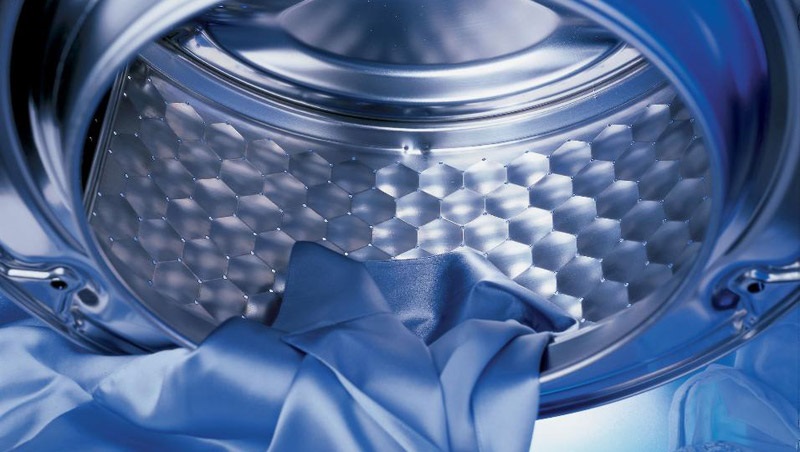
So, if you need to quickly freshen up a couple of pillowcases, it's best to hand wash them or throw a few extra towels or pajamas in the machine. Otherwise, the unbalanced drum will vibrate excessively.
Interpretation of maximum drum load
It is worth taking a closer look at the number indicated on the front panel of the automatic washing machine, namely the maximum load weight. You can find the capacity of a specific washing machine in the technical data sheet of the equipment. Today, you can find units that hold between 2 and 15 kg of dry laundry. The number of sets of laundry that can be washed at one time will vary depending on the application.
To give an example, on average, one double-size sheet, duvet cover, and two pillowcases, all made of cotton, weigh about 1.2 kg. Therefore, a washing machine with a 6 kg capacity will fit five such sets, and a 10 kg capacity drum will fit as many as eight.
Some manufacturers intentionally inflate the maximum load capacity to boost their product's appeal. Therefore, if the machine's specifications say it should hold 5 kg of laundry, or four cotton sets, but they don't fit, don't force the items into the drum. It's better to wash them in two batches.
Why is the maximum load capacity of a washing machine indicated in kilograms? This is the maximum weight of dry laundry the machine can handle without overloading the motor. This doesn't mean you should hoard items and only wash them when they reach the maximum load capacity. The main thing is not to exceed this limit. Ideally, load more than the minimum but less than the maximum.
Few people know how washing machines are tested and their maximum load is determined. For example, Bosch representatives use small pieces of thick, heavy fabric when testing their machines. The higher the density of the material, the less space it takes up in the drum. Therefore, the scraps fit into the machine without any problem, leaving enough room for them to slosh around. Based on these experiments, the manufacturer sets the maximum weight, adding a small margin.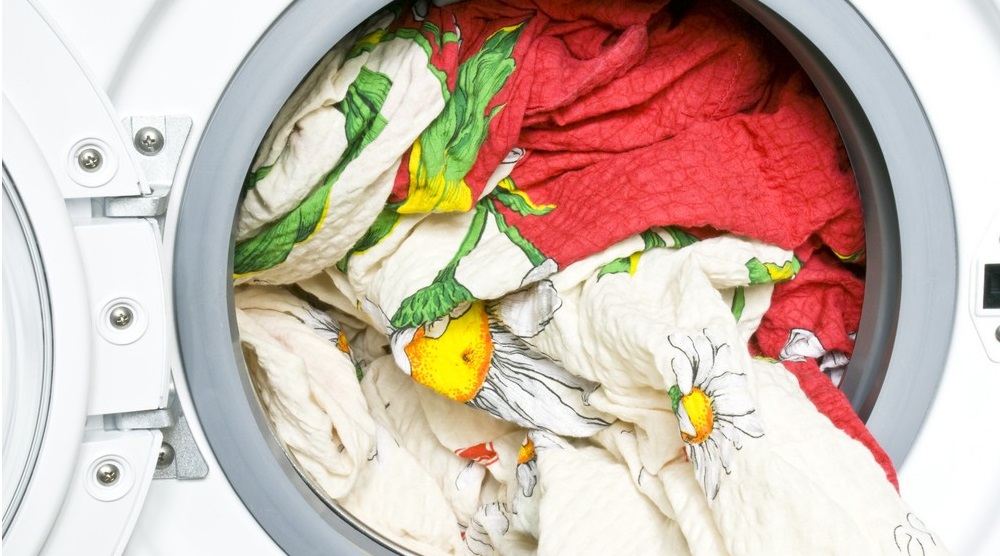
In real life, washing machines typically load larger, but lighter items. Even if the dry weight of the laundry is within the specified limits, the drum may not be able to accommodate all the clothes.
For example, let's say we want to clean a blanket. The bedspread is lightweight and fits easily into a small plastic container. But washing it in a basin after it gets wet becomes impossible. The same applies to the drum of a washing machine. Therefore, when calculating the weight of dry bed linen, be sure to consider the density of the fabric, its composition, and how much the material becomes heavier after contact with water.
The maximum laundry load also varies depending on the washing mode. Let's figure out how many items can be loaded into the drum on each program.
- Cotton – the maximum load will correspond to the value specified in the technical data sheet. So, if your washing machine has a 5 kg capacity, that's the maximum load of cotton items you can load at one time.
- Synthetics – here the standard value should be roughly divided in half. For example, in a 5 kg dry laundry machine, it's best to load no more than 2.5 kg of synthetics, and in a 6 or 7 kg machine, about 3 kg of clothing.
- Wool or silk. Woolen items are quite bulky and absorb a lot of water. Therefore, in a 4.5-5 kg washing machine, it's recommended to load 1-1.5 kg of dry wool, and in a 6-7 kg washing machine, no more than 2 kg of dry wool. It's best to check this specific load for your model, as, for example, a Candy machine with a 6 kg maximum load can only spin a kilogram of laundry in this mode.
- Delicate wash. When choosing this program, don't try to load the drum full. Otherwise, the fabric won't stretch, will wrinkle, and possibly even be damaged. Samsung recommends loading 2 kg of laundry into 4.5-5 kg machines on the delicate cycle, while Bosch (for 5 kg machines) and LG (for 7 kg machines) share this advice. Candy recommends loading no more than 1.5 kg of dry clothes into a 6 kg drum.
- Quick wash. Due to the shortened cycle time, overloading the drum is essential, otherwise the laundry will not wash properly. Samsung (4.5-5 kg), LG (7 kg), and Candy (6 kg maximum) machines can load up to 2 kg of laundry in this mode. Bosch 5 kg machines can hold up to 2.5 kg of fabric, while Indesit machines with a 5 kg maximum capacity can hold up to 1.5 kg of clothing.
The maximum capacity for loading cotton items into an automatic washing machine is the minimum for loading wool items.
To understand how much bedding to wash at a time, you need to know what fabric it is made of. The drum should not be filled to capacity; it should be filled to a maximum of 2/3. In this case, the items will be washed and rinsed well.
Interesting:





1 reader comment
Add a comment
Headings
Washing machine repair




For buyers




For users


Dishwasher




It is not clear how bed linen will be washed if it is turned inside out.
Another thing that really got me was cleaning pet hair. If you have several sets, you'll only be cleaning the hair for half a day, and no amount of rollers will be enough.