
How much non-ferrous metal is in a washing machine?
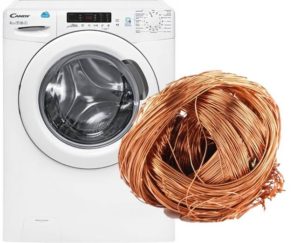 Don't rush to throw your old washing machine in the trash. Even a broken unit can be useful around the house: it can serve as a "donor" for new washing machines or serve as the basis for other inventions. Another option is to disassemble the machine for spare parts, sell the non-ferrous metal to a scrap yard, or sell the entire machine. All that's left to do is find out how much non-ferrous metal is in the machine, where to find it, and where to donate the washing machine without disassembling it.
How much copper and aluminum is in a washing machine?
Every washing machine contains non-ferrous metal, and after a breakdown, it can be removed and sold. However, the proceeds won't have many zeros, as the machine doesn't contain much copper and aluminum. To avoid wasting time, it is worthwhile to compare the efforts made with the potential “catch” in advance.
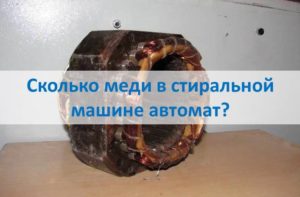
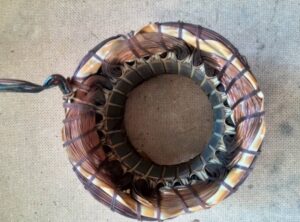
- As for copper, a washing machine's electric motor contains approximately 0.7-1.2 kg (the total weight depends on the model). Generally, with a price tag of $3.60 per kilo, you can get a maximum of $2.50-$4.
- Aluminum is also present in the engine housing. The total weight of this non-ferrous metal typically does not exceed 0.7-1 kg. It sells for $0.50-$0.70 per kilo.
- In theory, gold particles are present in washing machines. However, experience shows that this is impossible to do in a home setting: specialized knowledge and equipment are required.
In the washing machine, non-ferrous metal costs a maximum of $4.70.
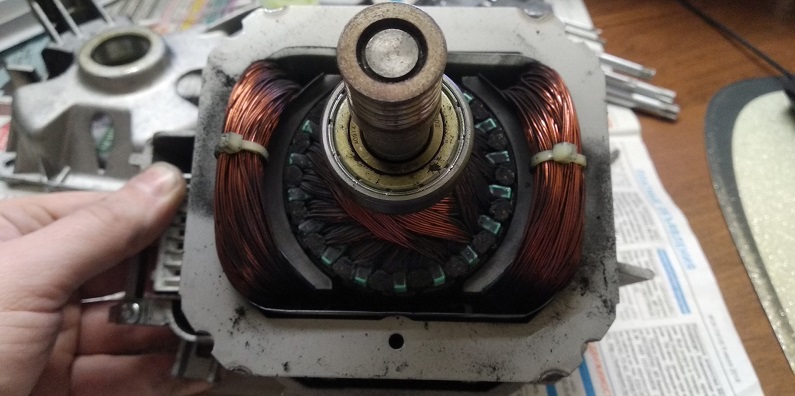
It's easy to calculate the approximate profit from dismantling a washing machine for non-ferrous metal. It's recommended to memorize this figure and compare it with other options for "reselling" the machine. There are three options: sell off valuable parts, try to sell the entire machine, or get a discount on the purchase of a new one.
We are selling the car as profitably as possible.
Disassembling a washing machine and selling individual parts is much more profitable than trying to find non-ferrous metal in the motor and microcircuits. This is especially true if the machine is in good working order and the main components were not damaged after a breakdown. For example, the pump, electric motor, control board, and drum are considered valuable. All these components can be removed and sold to washing machine service centers.
If you don't have time to disassemble your washing machine yourself, you can find companies that buy and remove "complete" machines. The profit will be lower, but according to reviews, resellers pay $5 or more. The more functional and modern the model, the higher its price. This option has obvious advantages:
- It is more profitable to sell the washing machine as a whole than to sell it for non-ferrous metals;
- no need to make any effort – the resellers will organize everything themselves;
- You won't have to worry about disposal, as the transportation will be handled by a purchasing company.
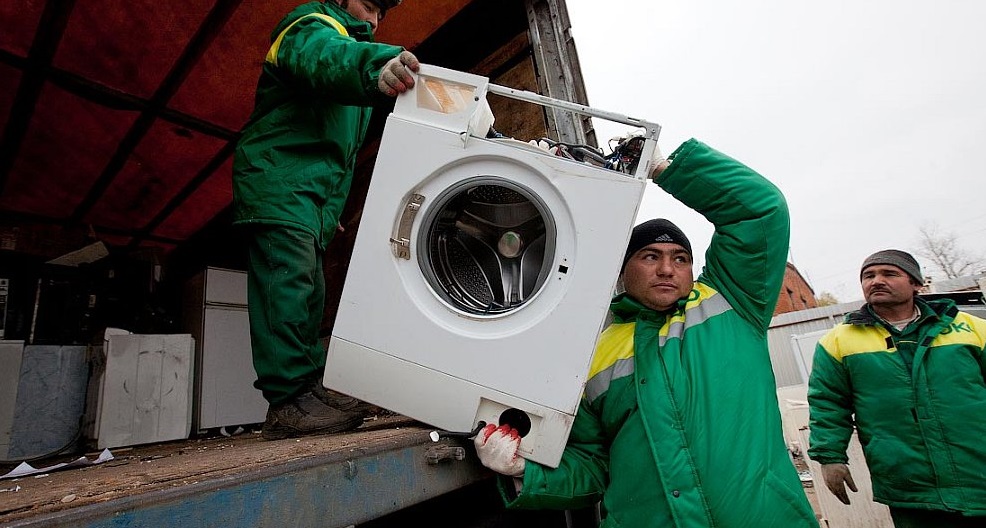
If you put in the effort, you can sell your washing machine for a profit: the motors and pumps of some models are highly prized by DIY enthusiasts. However, you'll need to delve into the subject, search ads, and research demand, which will take many times longer than disassembling the machine for its non-ferrous metals.
Getting rid of the machine without disassembling it
Dismantling a washing machine is a labor-intensive, time-consuming task, and in apartment living, it's often completely unaffordable. Fortunately, there are other options for selling broken appliances. Some offer profit, while others are purely cost-effective.
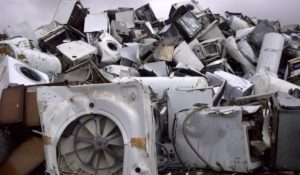
- Proper disposal. Not everyone knows that throwing household appliances in the trash is prohibited. Washing machines and stoves must be taken to a separate landfill after being shredded with a special machine. This isn't free: transportation and recycling will cost the owner approximately $20.
- Resale to a private seller. There's nothing stopping you from trying to sell your washing machine through classified ads on a dedicated website or in a newspaper. If the machine is repairable, in good working order, or a popular model, the chances of selling it for a nominal $15–$20 are quite high. The main thing is not to inflate the price, having first studied the market supply and demand.
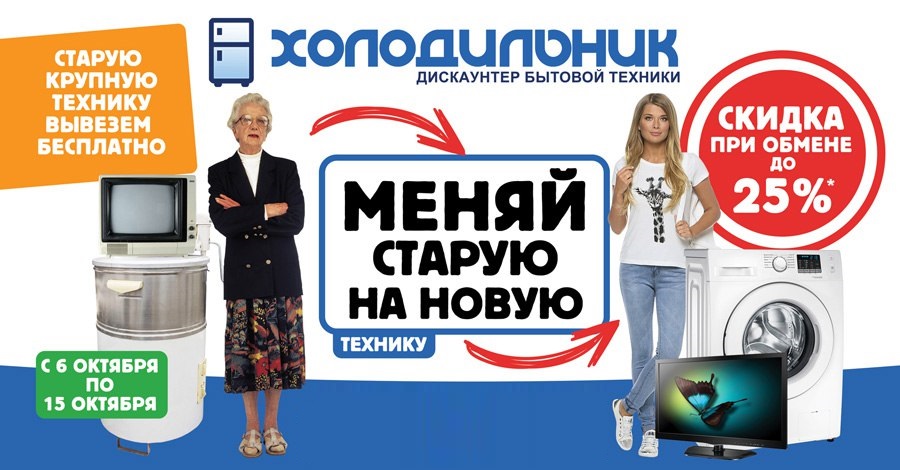
- Discount on a new washing machine. Many well-known electronics and home appliance stores regularly run "Exchange your appliances for new ones" promotions. The scheme is simple: the consumer brings in a faulty washing machine and receives a discount on their next purchase. The amount of compensation depends on the condition of the machine and the management's policy, but the benefit is often several times greater than that of a non-ferrous metal or resale.
- Repurposing a washing machine. A broken washing machine, in the right hands, can be transformed into a useful invention. The drum can be used to make filters, ovens, and compact concrete mixers, while the electric motor can be used to power a wind generator, lawn mower, or chipper.
Washing machines don't contain much non-ferrous metal, so disassembling the machine, searching for copper and aluminum, and selling them is often unprofitable. It's better to try selling the machine to private owners or buying firms.
Interesting:


Readers' comments
Headings
Washing machine repair




For buyers




For users


Dishwasher




Add a comment