
How many times a day can you wash in a washing machine?
 Any sensible person understands that the longevity of a washing machine depends on how often it's used. If you don't give it time to rest, it will fail very quickly. So, how can users calculate the load on their "home helper"? How many times a day can they wash their washing machine without overloading it and still satisfying their laundry needs?
Normal frequency of use of a household washing machine
It's impossible to give a definitive answer to this question. Much depends on the machine model, brand, previous operating conditions, and so on. Therefore, there are only average figures, which technicians prefer to break down into several groups based on the production date.
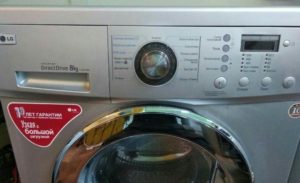 As sad as it may sound, statistics show that washing machines manufactured in Europe or America before 2005 last much longer than modern ones. For example, a standard model of similar build will easily last 12-15 years, but only if used no more than four times a week.
Moreover, even without proper care, such a machine will last at least 10 years, not to mention the units of conscientious housewives. As for modern devices, they are significantly inferior in terms of durability to their older brothers.There are reports that a direct-drive LG washing machine has served a family of eight for 13 years without a hitch, and continues to do so to this day. And this despite being used twice a day.
Important! Most current belt-driven models don't hold up to scrutiny. Many mechanics claim that direct-drive units last longer.
Therefore, it's difficult to draw a definitive conclusion about the relationship between a washing machine's lifespan and its frequency of use. On average, it's recommended to use a typical home washing machine no more than 3-4 times a week, as it's not designed to withstand the heavy loads of professional models.
Proper use is the key to longevity
Many users underestimate the operating instructions developed by machine manufacturers specifically for their customers. But they should. According to rough estimates, a properly maintained machine can last up to five years longer than one whose operating instructions are seriously neglected. The first step is to ensure proper installation.
- Ensure a high-quality connection. If possible, provide a dedicated outlet for the washing machine to avoid interruptions in the power supply. Also, pay attention to the water supply: all hoses should be tightly sealed and securely connected. If your apartment already has a cold water supply, check for a plug.
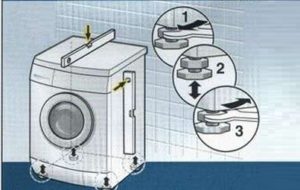
- Surface. Advice on this topic is often ignored. Many owners don't even realize how much the floor surface affects the machine's performance. But keep in mind that during washing and spinning, the machine bounces and vibrates significantly. If the floor is full of uneven surfaces, the machine's internal components will quickly become damaged by this "attraction."
 Below are some tips on how to wash your laundry properly. Try to treat your machine with anti-scale products from the very beginning. It's much easier to prevent problems than to remove them later. Buy Calgon and add it to every wash.
If you live in a region with soft water, you can reduce your Calgon consumption by half and add it every other wash. How can you tell if your water is soft or hard? Check the inside of your kettle. If you find white flakes, it means scale is forming quickly. In this case, it's better to invest in Calgon than to have to resuscitate your washing machine later.
It's also sometimes necessary to perform a preventative wash without loading the laundry. It's sufficient to repeat this procedure every three months. To do this, set the machine to the highest temperature setting and run it, adding either a special detergent or a household product (vinegar, citric acid, baking soda, or bleach will do). There is no need to load the laundry into the drum! The more often you wash at high temperatures, the more often you need to perform this disinfection. It not only prevents scale and limescale buildup but also simply cleans the inside of the washing machine. Now, about washing.
- Don't overload the drum! Pay attention not only to the weight but also to the volume. A wool blanket may be just the right weight but take up a lot of space. Machines break down quickly when overloaded, so don't overdo it.
- After washing, leave the door open for a while to avoid breeding bacteria inside the drum. It is also advisable to remove the powder tray and rinse it thoroughly after each wash. This is especially true for housewives who like to add bleach, as it leads to the formation of black mold.
- Remove and clean the filter every three months or more often. Its location varies depending on the model, so it's best to consult the instructions.
- Rinse the rubber seal on the sunroof and then dry it thoroughly with a paper towel or regular cloth after each wash. Wet rubber is a breeding ground for bacteria.
Many technicians also recommend avoiding placing anything on top of the washing machine. While something very heavy can certainly impair the machine's performance, placing a few small items on top is certainly fine. Also, try not to run the machine unnecessarily multiple times in a row to prolong its lifespan.
Interesting:



6 reader comments
Add a comment
Headings
Washing machine repair




For buyers




For users


Dishwasher




What do you mean 3-4 times a week? I have a family of five, and I do four loads of laundry every day. What's the point of having a washing machine then? Isn't everything being done for people?
I also have a large family, plus a small child. I do laundry very often.
We wash our sports clothes every day. And we also run them 4-5 times. If the washing machine is more of a toy than a helper, why is it so expensive?
There were four of us living in the USSR. Mom did her laundry in the machine back then: first in a Riga-55 with a manual wringer, then in a Siberia, doing a laundry day once a week. It took more than half a day, though. There were no breakdowns in the machines!
I have an Italian-made washing machine from 2000. I wash clothes 4-5 times a week, twice a day. It would be a shame to part with it.
What do you mean, bleach causes mold? Quite the opposite: chlorine bleaches and their frequent use help combat mold.