
What is the best spin speed for a washing machine?
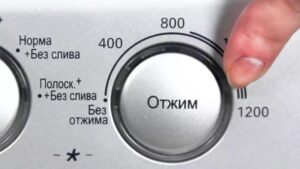 When choosing a new washing machine, users also consider the washing machine's spin speed. The higher the speed, the faster the motor spins the clothes and the drier the laundry. However, machines with 1600-1800 RPMs are also much more expensive. Is it worth paying extra for a high-speed model or is a mid-range option better? Let's explore all the nuances of spin speed.
Is high speed spin beneficial?
An expensive high-speed washing machine isn't just for show. The 1600 RPM speed is very convenient for everyday use: you can dry your laundry almost completely in just a few minutes—all you have to do is hang it up and wait 1-2 hours. But before you rejoice in your perfect model, it's worth understanding the costs of such a rush for both the machine and the fabric. There are several unpleasant aspects.
- Fabric wears out faster. When spinning at 1600 rpm, the fabric experiences tremendous stress—the frictional force increases several times. While the fabric remains unchanged after 1-2 washes, after 3-4 washes the fibers will become thinner and lose their color, and after 10-12 washes, they will completely tear. The lifespan of the material depends on its type: durable synthetics will last longer, while natural cotton or linen will have a shorter lifespan.
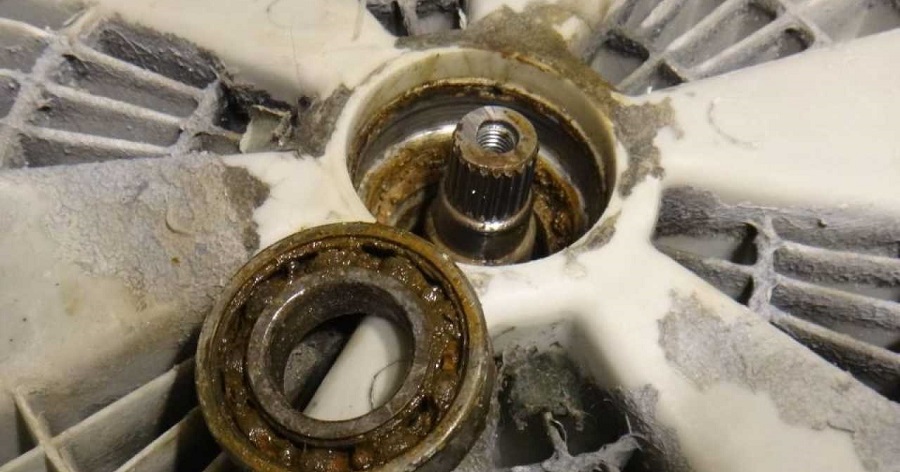
- The load on the shock absorber and bearing assembly increases. When the drum spins, the washing machine works hard, and the higher the spin, the greater the load on the key components. Spinning at high speeds is hard on the shaft, bearings, and dampers, causing them to wear out faster. While these machines are designed for high power and won't break down within the first few days of use, the components will still suffer significantly.
- Energy consumption increases. The washing machine's increased speed also affects your electricity bills—at 1600 rpm, it consumes more. The increased load on the power grid should also be taken into account. It's best not to run other powerful appliances or devices at the same time as the washing machine, otherwise the power line won't handle it or the RCD will trip.
The optimal speed for spinning items in a washing machine is 800-1000 rpm.
Yes, the ability to spin clothes at 1600 rpm is a fantastic advantage. But high speed also has its drawbacks, which should also be considered when purchasing. It would be foolish to forgo it, but constantly running the machine at maximum speed is also not recommended. Experts recommend setting the spin speed to 800-1000 rpm—this is the "golden mean," safe for both fabrics and appliances.
How efficiently does the machine spin?
You can evaluate spin efficiency not only by the manufacturer's specifications. There's also a self-calculation method that will help you determine the most efficient washing speed. Here's the process:
- weigh the laundry wrung out in the washing machine;
- dry clothes;
- weigh dry;
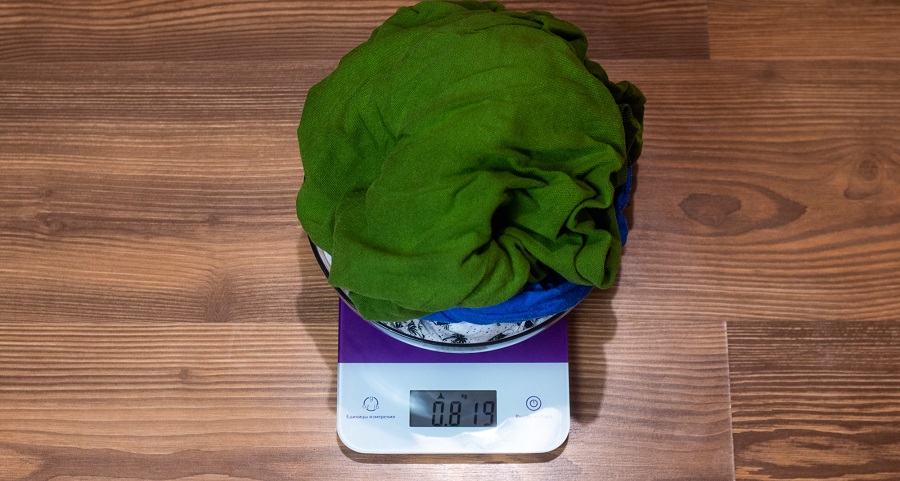
- subtract the dry mass from the wet mass;
- Divide the resulting value by the weight of dry clothes and multiply by 100%.
So, if the laundry weighs 6 kg after the spin cycle and 3.5 kg after drying, the difference is 2.5 kg. Divide the latter figure by 3.5 to get 0.71, which we then multiply by 100%. The final result is 71%. It's recommended to conduct several experiments, measuring the spin efficiency at minimum, medium, and maximum speeds. This will help you understand how well the machine removes moisture from clothes.
Spin classes
Depending on the speed it reaches, each machine is assigned a spin class. According to the European standard, the "class list" ranges from "A" to "G," with the first letter indicating high drying quality and the last letter indicating the lowest. The full gradation is as follows:
- "G" is the lowest level, at which the residual moisture content reaches 90% and the maximum spin speed is only 400 rpm. Due to their low efficiency, these machines are rarely produced.
- "F" class washing machines spin at 600 rpm, removing a maximum of 20% moisture from fabrics. These models are extremely rare.
- "E." Here the drum spins at 800 rpm, which allows you to dry items by 25%.
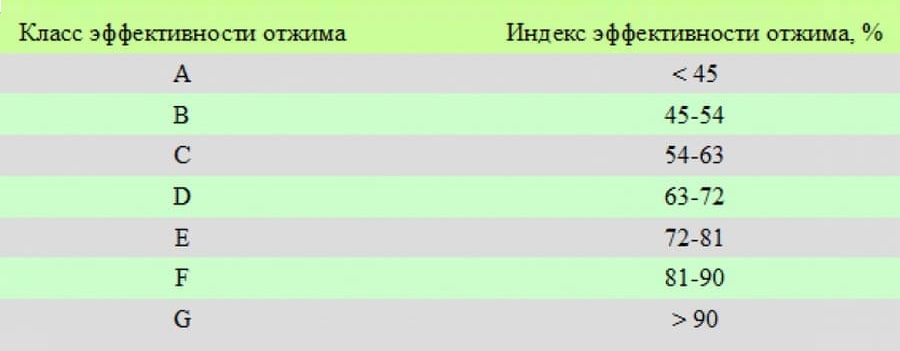
- "D". The machine spins up to 1000 rpm, which allows you to spin out 30% of your laundry.
- "C" class is assigned if the equipment spins at 1200 rpm and the residual moisture does not exceed 60%.
- "B". Maximum spin speed is 1400 rpm, which ultimately removes up to 45% of the moisture from the fibers.
- "A" is the most efficient spin cycle, removing fabrics almost completely. Approximately 55% of the moisture is removed, as the spin speed reaches 1600-1800 rpm.
The spin level is indicated on the label of every washing machine. However, this feature significantly impacts the machine's price: a higher spin level will cost you extra.
Fabric type and its spin
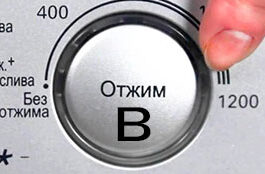
Modern washing machines not only offer high-speed spinning, but also allow you to vary the degree of drum spinning. On some models, it is possible to reduce the speed all the way to zero. This feature allows you to adjust the cycle depending on the type of fabric being washed. Not all fabrics benefit from high spin speeds—many require delicate handling. Before setting the spin level, be sure to check the care label.
- Cotton, denim, and calico. The optimal spin speed for these fabrics is 800 rpm. Anything less and the garment won't spin dry, while anything more will damage the fibers.
- Linen. A natural material that doesn't like heavy spinning. It's recommended to wash on a gentle cycle and spin on the lowest setting.
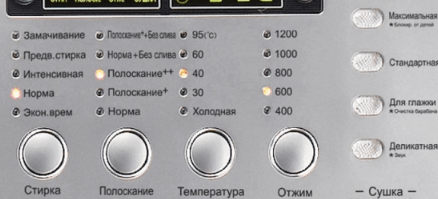
- Satin, silk. Satin and silk items, as well as lace, tulle, and voile, are recommended to be hand washed. If machine washing is chosen, select a special cycle and disable the spin cycle. Maximum spin speed is 600 rpm.
- Synthetic. It has a strong structure, which means no spin cycle restrictions.
- Wool. Doesn't like spinning. Ideally, turn it off or reduce it to a minimum.
Constantly running the washing machine at high speeds is unwise. It's better to vary the spin cycle depending on the fabric type.
Interesting:

Readers' comments
Headings
Washing machine repair




For buyers




For users


Dishwasher




Add a comment