
The drum of my LG washing machine is creaking.
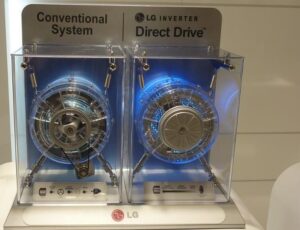
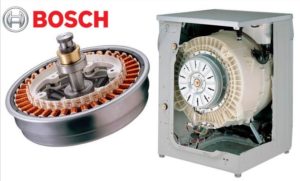
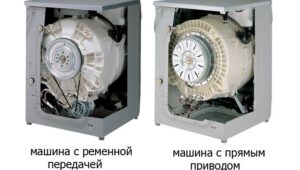
 The vast majority of LG washing machines are equipped with a direct-drive inverter motor. Because of this design feature, these machines can experience typical malfunctions with unusual causes, such as a squeaking drum. While belt-driven washing machines can experience squeaks for various reasons, 90% of LG inverter machines have the same cause. Let's take a look at why the drum of an LG washing machine squeaks.
An unusual source of creaking noise
First, let's look at a source of squeaking that's unusual for collector-type washing machines, but quite understandable for LG washing machines with direct drive. Machines with an inverter motor often begin to creak when the drum rotates due to the tachometer catching on the wall of the lid covering the motor. You can check whether this is the case as follows:
- de-energize the washing machine, disconnect it from communications;
- Move the unit away from the wall to have free access to the rear wall of the housing;
- Unscrew the screws holding the back panel and remove it;
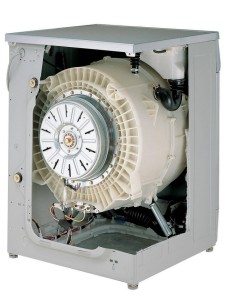
- Directly in front of you, you'll see a round cover covering the inverter motor. Loosen the locking element located in the center of the cover;
- Spin the washing machine drum by hand. If you don't hear any creaking noise, you've chosen the right repair method.
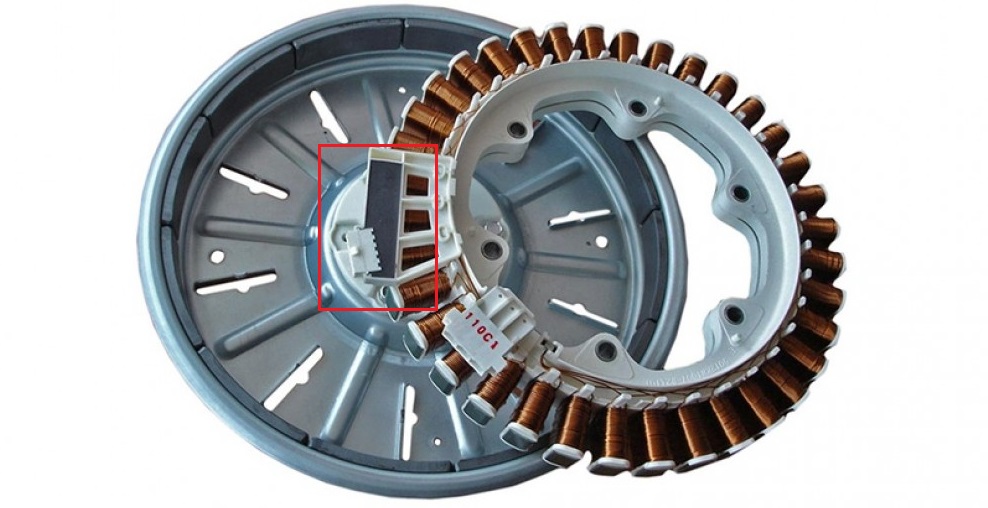
The problem lies in the unit's design. The Hall sensor is located on the edge, directly next to the engine cover. After some time of use, the bearings may wear out, causing minor play.
The edge of the tachogenerator catches on the cover, which is why an unpleasant squeak occurs.
Resourceful users quickly found a way to fix the problem themselves. They simply remove the motor cover, inspect the area where the Hall sensor makes contact with the metal. Using a file, they remove the plastic protrusion, which has no effect on the tachometer's operation, and reinstall everything.
Of course, you could undertake a major overhaul and replace the bearings. However, with such a small amount of play, the machine can operate reliably for at least 5 years. Therefore, before embarking on labor-intensive replacements, it's best to carefully assess the situation.
Typical sources of creaking
What other reasons could there be for a squeaking drum? We'll discuss typical problems that can cause this. A washing machine may make a grinding noise during operation due to:
- rusty bearings;
- foreign objects getting under the drum;
- damage to shock-absorbing springs, reduction of their fixing properties.
What to do in each case and how to diagnose the malfunction will be discussed below. We'll examine each cause and repair methods for your LG automatic washing machine in detail. Remember to follow safety precautions: always unplug the washing machine and turn off the water supply before beginning work.
Problems with the shaft or bearings
The drum shaft is mounted on bearings in the tub. An integral part of the design is the seal—a rubber gasket that prevents water from getting onto the bearings. Over time, the seal can dry out and crack. Moisture then seeps into the bearings, causing them to rust. Rusty bearings will cause the drum to squeak when rotating.Repair work cannot be postponed, otherwise the washing machine will soon completely fail.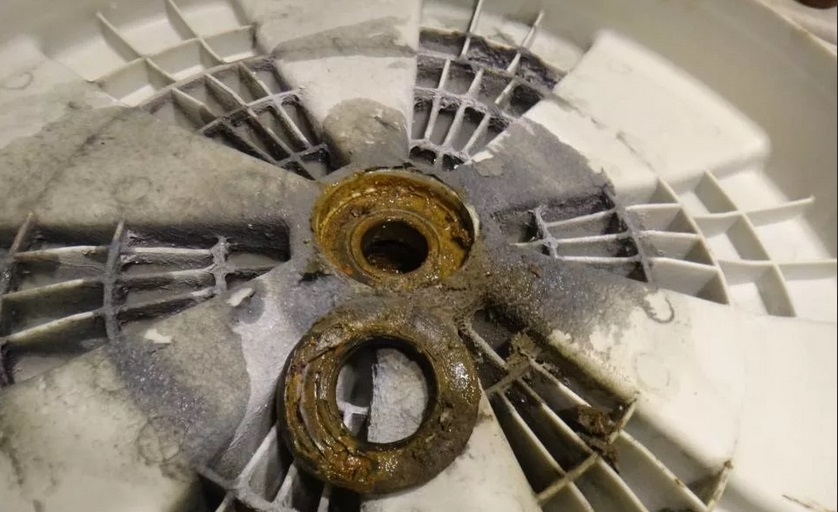
As for the shaft, after several years of use or due to poor factory assembly, the bolts securing it can become loose. This leads to imbalance in the drum, causing it to grind and squeak. To repair the washing machine, simply tighten the loose bolts securing the shaft.
The main sign that allows you to understand that the problem is in the bearings is rusty stains on the machine body.
Foreign objects are to blame
The annoying grinding noise can be caused by beads, lock catches, coins, buttons, bra underwire, and other foreign objects lodged between the drum and the tub of your washing machine. After the wash cycle starts, embroidery, buttons, and other small items may come loose. To find the items causing the grinding and rattling noise, you'll need to disassemble the washing machine a bit. This process is simple and anyone can do it themselves:
- de-energize the machine;
- remove the back panel of the case;
- find the place where the heating element is attached, disconnect the wires leading to the heater;
- Unscrew the retaining nut and remove the heating element from the washing machine.
You can reach your hand through the resulting opening and remove all items from the drum. To prevent items from getting inside the machine, regularly check the cuff and drum for foreign objects and debris.
If you strongly suspect there's something between the drum and the tub, don't delay checking. Otherwise, the foreign object could damage the tub and cause the washing machine to leak from the bottom.
Damping system is faulty
The springs holding the drum in place start squeaking most loudly after the spin cycle is activated. When the washing machine begins to shake while spinning the laundry, the shock absorbers rub at their mounting points, producing an unpleasant grinding noise. To determine if this is the cause, start the wash cycle after removing the top cover of your LG machine. When the washing machine starts to squeak, try applying pressure to the springs.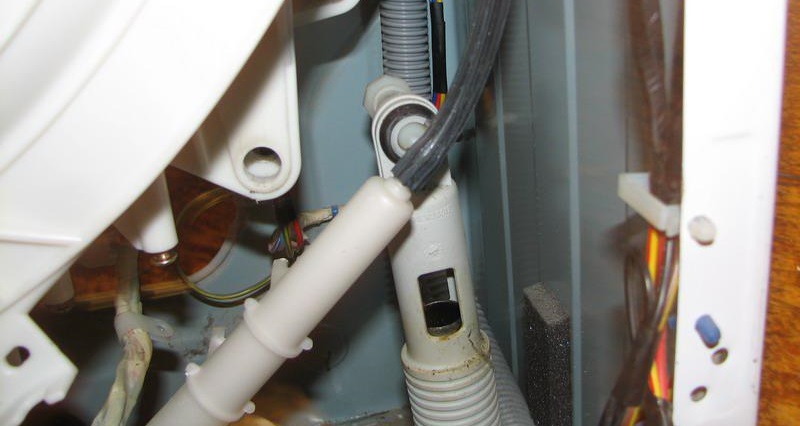
If the "clunking" stops, then the problem is indeed with the shock absorbers. The springs need to be lubricated where they attach to the body.
The second possibility is that the springs are severely worn and can't properly support the drum, causing it to wobble and hit the walls. When washing without the top panel, observe the drum. If the shock absorbers are visibly damaged, they should be replaced.
Interesting:

1 reader comment
Add a comment
Headings
Washing machine repair




For buyers




For users


Dishwasher




How to lubricate springs?