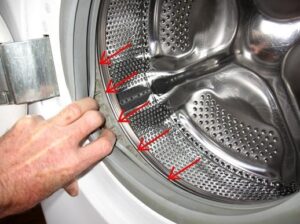
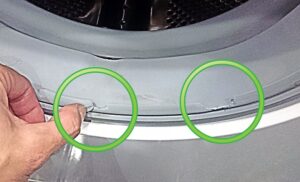
There are only three possible causes of a washing machine's seal squeak, catching on the edge of the drum. The first is a manufacturing defect, especially if the machine is a budget model. The second is improper adjustment and installation of the seal during a scheduled replacement. The third, a problem with the spider or bearing assembly, only becomes apparent after several years of use. Determining the cause of the squeak is usually easy: if the noise appeared immediately after purchase or repair, it's the seal itself; if it occurs later, it's a malfunction. But don't tolerate the squeal; it's better to try to "fix" the machine.
How to reliably remove creaking?
There are several methods available to technicians for eliminating squeaking noises when the drum rotates. Not all of them are simple or safe. For example, some recommend loosening the clamps, removing the seal, and readjusting its position. However, this can be challenging for a homeowner. Firstly, this method is not suitable for all washing machine models, and secondly, the process of removing and tightening the seal is quite laborious. Without experience, it's difficult to determine the correct position for the seal.
The second option is even riskier. It recommends first removing the seal and then trimming the edges catching on the drum with a utility knife. While an experienced technician can pinpoint the rubbing area and easily replace the seal, the average user is more likely to damage it by cutting in the wrong place. However, this doesn't mean the sound of rubber rubbing can't be eliminated without a service center. There is a safe and relatively easy repair option. The instructions are as follows:
go to the hardware store;
buy sandpaper with a grain size of at least 60 units (such sandpaper costs pennies);
return to the machine and open the hatch;
fold the sandpaper in half with the grain side facing out;
insert paper between the drum and the cuff:
holding the sandpaper, rotate the drum until the protruding edge of the rubber is erased.
To remove the snag, you'll need to spin the drum about 100-120 times. This will take time, but the risk of damaging the seal and the machine itself is minimal. After that, all that remains is to run the test cycle and listen: if the creaking disappears, then the problem is solved; if not, repeat the procedure.
A creaking sound is a symptom of a more serious problem.
The drum doesn't always rub against the rubber seal due to the seal being incorrectly positioned. If the machine was purchased a long time ago and the seal hasn't been replaced, it's likely due to a fault—the spider has begun to deteriorate due to prolonged use. This is a very serious problem and inevitably leads to drum play: the cylinder changes its trajectory and rubs against the machine body. Typically, in addition to the creaking, other suspicious noises are heard, such as knocking and clanking.
The only way to check the condition of the universal joint is to remove and split the tub in half. Sometimes, problems can be detected without disassembling the washing machine. If the damage is serious, the bearing assembly will inevitably be damaged along with the shaft. Problems with the latter are indicated by rusty stains on the back wall of the washing tub.
If the universal joint or bearing assembly breaks, half measures won't help. You must immediately stop using the machine and carry out the necessary repairs. Here's what to do next:
disconnect the washing machine from the utilities;
disassemble the body and remove the tank;
unscrew or saw the tank into two halves, depending on the model of the machine;
remove the drum;
inspect the crosspiece.
Stuck parts and fasteners are removed after treatment with WD-40 lubricant.
If the crosspiece is damaged, replace it. Remove the three retaining screws, then tap the part with a hammer and pry it out of the grooves with a screwdriver. Purchase new "blades" matching the machine's serial number and secure them to the shaft. The procedure is quite complicated, so it's best to have it serviced.

 There are only three possible causes of a washing machine's seal squeak, catching on the edge of the drum. The first is a manufacturing defect, especially if the machine is a budget model. The second is improper adjustment and installation of the seal during a scheduled replacement. The third, a problem with the spider or bearing assembly, only becomes apparent after several years of use. Determining the cause of the squeak is usually easy: if the noise appeared immediately after purchase or repair, it's the seal itself; if it occurs later, it's a malfunction. But don't tolerate the squeal; it's better to try to "fix" the machine.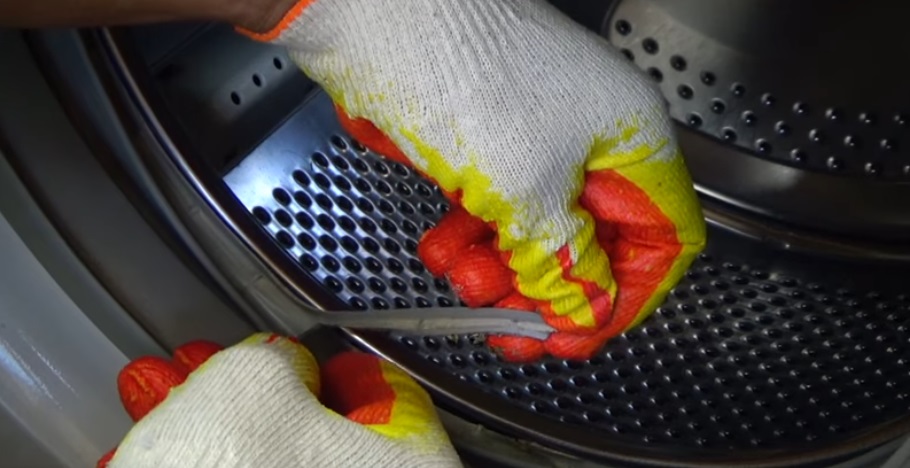
















Thank you, honestly! Your advice helped.