Why does the belt come off on my Ariston washing machine?
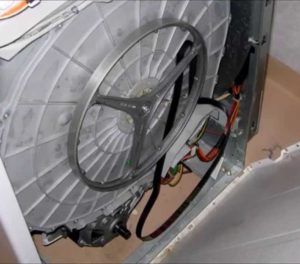
If the belt on an Ariston washing machine slips, replacing the rubber band won't solve the problem. A new band will suffer the same fate as the old one, as in most cases the problem lies not with the band itself, but with adjacent components. A loose pulley, a loose motor, an incorrectly shaped shaft, and many other design faults can cause the belt to slip. To determine the nature and extent of the problem, a comprehensive diagnosis is necessary. We'll explore all the nuances and repair options.
What malfunction does this cause?
If the belt slips just once during the entire life of the washing machine, there's nothing to worry about – replacing it will restore everything to normal. However, when the rubber belt slips periodically, more often than twice every six months, it's time to consider an unscheduled inspection of the machine. As a rule, repeated ring failure clearly indicates that there are faults in the equipment.
If the belt comes off more than twice in 6 months, it is necessary to carry out diagnostics of the machine.
The belt comes off for certain reasons.
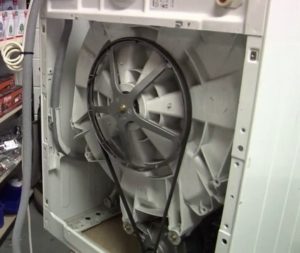
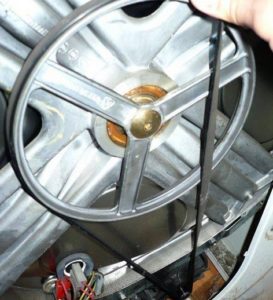
Pulley play. Simply put, the shaft itself is crooked or loose. When this happens, the belt tightens insecurely, sags, and breaks off when the drum rotates. This can be corrected by tightening the retaining bolt or replacing the wheel.
Unsecured motor. During operation, especially at maximum power, vibrations cause the motor retaining screws to loosen. This causes the factory-secured motor to become loose, deviate from its intended path, and disrupt the belt drive. To correct this, the motor retaining screws must be adjusted.
Deformation of the halyard or wheel. Mechanical damage to the pulley due to poor repair or improper operation can lead to belt drive failure. The best solution is to replace the damaged part, but in some cases, localized repairs are also possible. For example, a bent surface can be straightened.
An identical drive belt is selected for replacement!
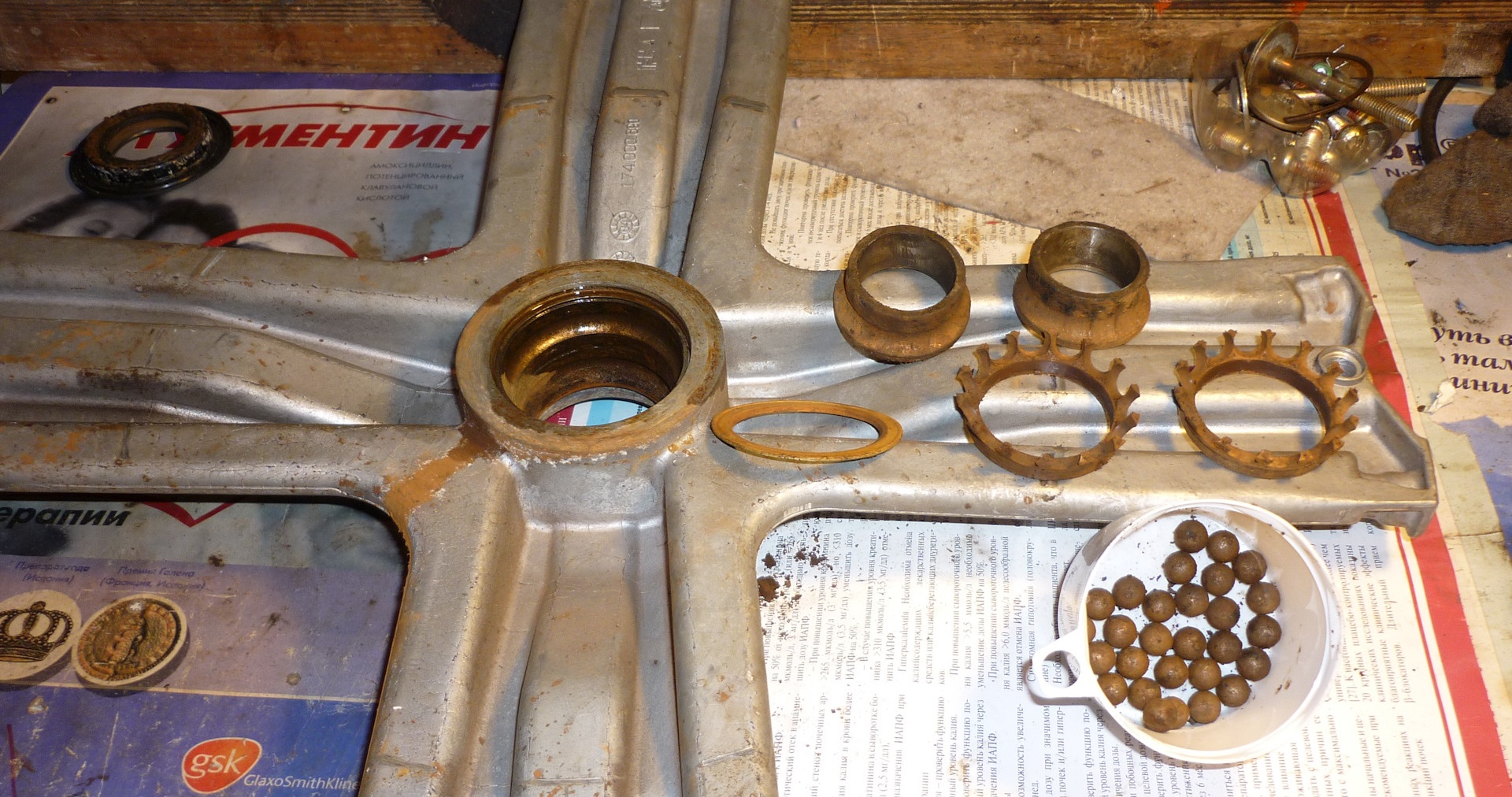
A damaged spider. Causes include a manufacturing defect or excessive vibration during machine operation. Repairs are prohibited; only a complete and immediate replacement of the spider is necessary. Continued operation of the machine or limited repairs pose a high risk of drum imbalance, which can lead to damage to the internal structure of the machine.
Broken bearings. Although rare, it does happen that a washing machine can reach this state due to increased loads or prolonged use. As a result, the bearing assembly fails to perform its intended function, disrupting the system and causing the belt to fail. To restore the machine to working order, it is necessary to repair the damage by replacing both the bearings and the seals.
But the causes of belt failure aren't always so widespread. Drive problems are often caused by improper installation of the rubber seal during initial repair. For example, the ring wasn't secured in all the designated grooves, resulting in an unreliable fit and repeated failure. Similar consequences can occur if the wrong replacement part is chosen, such as a part with a different diameter than the original. Therefore, it's important to refer to the model's serial number and follow the instructions when removing and tightening the seal.
Do-it-yourself repairs
When a belt comes off for the first time, repairs are limited to simply replacing it. In theory, the procedure is fairly simple, but in practice, the mechanic faces some challenges. The fact is that tightening the rubber requires skill, strength, time, and patience. But if you know what to do and in what order, even a novice can handle the task.
The belt is pulled back as follows:
Before any repairs, the Ariston washing machine must be de-energized and disconnected from all connected utilities.
We disconnect Ariston from communications, sewerage, water supply and electricity.
We disconnect the inlet and drain hoses from the body and also twist the power cord.
We move the equipment away from the wall or furniture, ensuring free access to the rear panel.
We unscrew all the screws on the back panel, excluding the bolts holding the top cover.
We are looking for a drive belt, which, after breaking, either hangs on the pulley ring or lies somewhere at the bottom of the washing machine.
The found belt should be carefully examined. First, it's important to assess its suitability for further use. To do this, find the marking on the rubber and write down the first four digits (this is the diameter in mm) on a piece of paper. Then, measure the ring itself and subtract the resulting value from the one you just wrote down. If the difference between the two is greater than or equal to 2 cm, there's no point in keeping the rubber—it's too stretched and needs to be replaced.
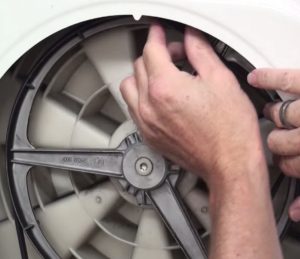
If the belt that came off has retained its original diameter, then we proceed to return it to the pulley:
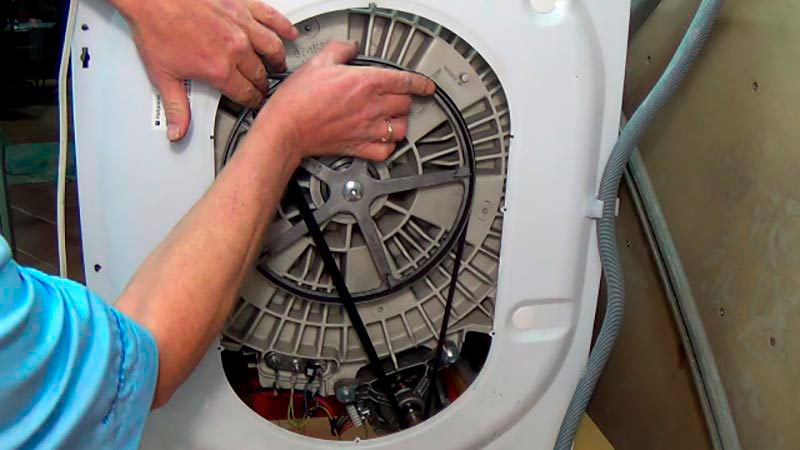
we tighten the belt on the engine pulley;
slowly rotating the wheel counterclockwise, put the rubber band on the second one;
we check that the belt is fixed in all the provided grooves;
We spin one of the wheels several times: if the rotation is tight, then the rubber is seated perfectly.
It is better to tighten the belt with an assistant. Ideally, the rubber band is held on the engine pulley with both hands, while the second pair of hands tries to attach the ring to the wheel. But the work will still require a lot of time and effort - tight rubber cannot be adjusted to ease the tension.
After spinning, reassemble the machine. Screw the back panel back in place, return the machine to its original location, and connect it to the power supply. It's recommended to immediately run a "dry" cycle and ensure the drive belt rotates properly.
Repeated slippage of the drive belt indicates serious problems with the pulley, wheel, shaft, universal joint, or engine. Rather than risk the transmission, it's best to conduct a full diagnosis and determine the cause of the slippage.

 If the belt on an Ariston washing machine slips, replacing the rubber band won't solve the problem. A new band will suffer the same fate as the old one, as in most cases the problem lies not with the band itself, but with adjacent components. A loose pulley, a loose motor, an incorrectly shaped shaft, and many other design faults can cause the belt to slip. To determine the nature and extent of the problem, a comprehensive diagnosis is necessary. We'll explore all the nuances and repair options.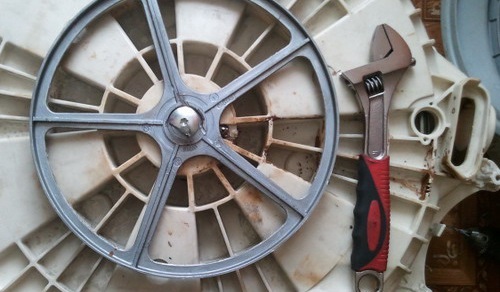














Add a comment