
The belt on my Samsung washing machine is coming off.
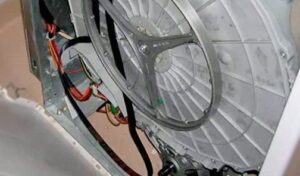 Have you ever wondered why the drum in your washing machine moves, or rather, what exactly makes it spin? It's simple: the drum is connected to the motor via a drive belt, which rotates the drum when the motor starts. Samsung machines are no exception and are designed in the same way. But sometimes belt problems arise. Let's figure out why the belt slips on a Samsung washing machine and what can be done about it.
What causes the belt to slip?
To determine if the problem lies with the belt, you can't do without looking inside the housing. We'll list the most common causes of belt slippage now.
- Long-term, regular overloading of the machine. If you operate the machine at a capacity it physically cannot handle, the belt will eventually slip. If you suspect this is the cause, simply replace the belt and reevaluate your washing machine usage.

- Belt stretching. If the belt slips off the pulley frequently, and often when the drum is spinning quickly, the belt is likely stretched and needs a new one.
- Insecure motor mounting. If the motor is poorly mounted, it will move intermittently, thereby weakening the belt. This problem can be solved by carefully securing the motor in place.
- A loose pulley. Same as the previous point: the pulley needs to be re-secured.
- Shaft or pulley deformation. The deformed component will need to be replaced.
- The universal joint that connects the shaft to the washing machine body is broken. In this case, you'll need to replace the part with a new one.
- Bearing failure. The drum will gradually become warped and misaligned, weakening the belt and eventually causing it to fail.
Another less obvious cause is the belt material drying out. If the machine is left idle for a long time and then turned on again, the "hardened" belt will not withstand the load on the drum and will crack or fray.
Do I need to call a specialist immediately?
Pulling a belt onto a pulley is quite difficult; it requires considerable strength and time. Many people simply don't like the hassle of repair work. In any case, if you want to entrust the repair to professionals, it's best to contact a service center. This is better than calling a private repairman for several reasons:
- you receive a warranty card for all work performed;

- services have huge databases of parts, so if a replacement is needed, finding the original element will not be a problem;
- Certified specialists at the centers have extensive experience.
However, it must be said that belt problems are considered far from the most complex, and fixing them yourself isn't as difficult as it might seem. The main thing is to try, and then you can always leave the matter to a professional.
Please note! Don't rush to disassemble the machine; first, make sure the warranty period has expired. For Samsung machines, it's usually one year from the date of purchase.
We put the belt back in place ourselves
Changing a belt doesn't require much skill, ability, or dexterity. Physical strength and power are key, as tightening the belt onto the pulley requires considerable force. If you're confident, you can begin:
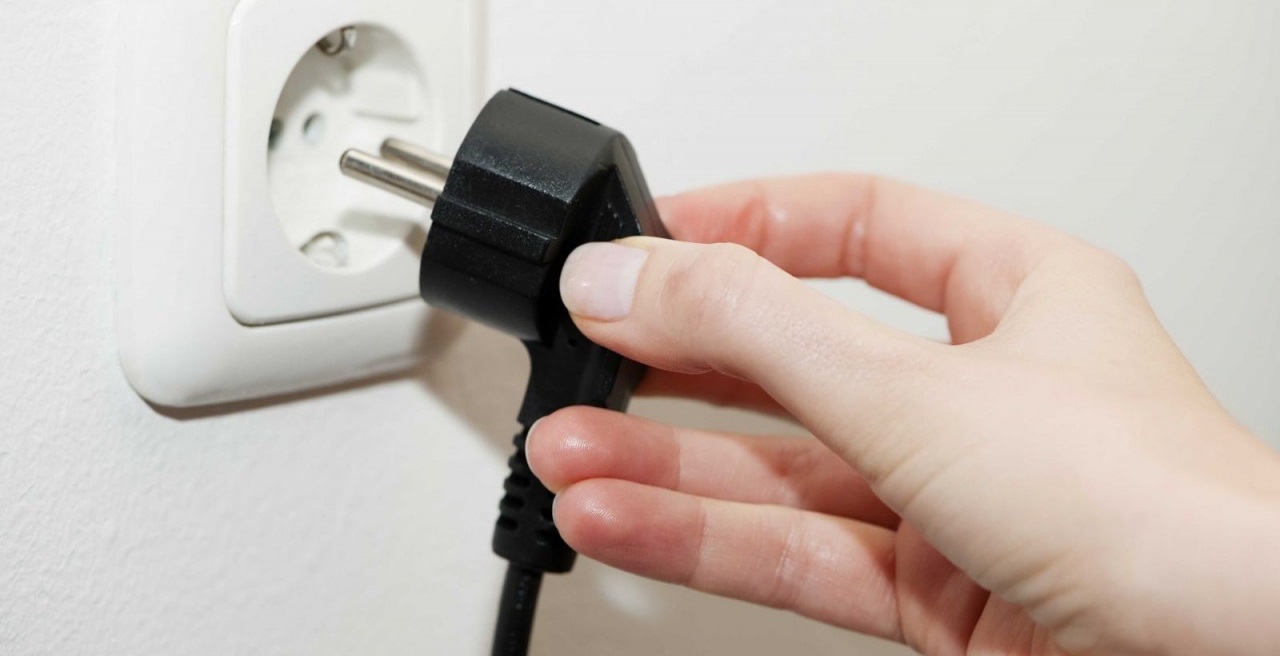
- disconnect the washing machine from the electrical network;
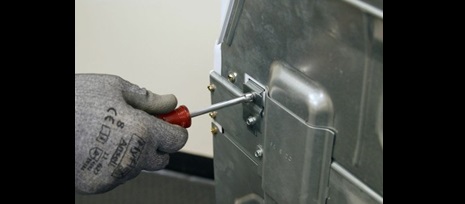
- remove the rear panel by removing the bolts around the perimeter;
- If you notice that the belt has slipped, you need to put it back on. First, pull the belt onto the shaft, then onto the pulley, but only partially. Then slowly rotate the pulley while simultaneously tightening the belt in a circular motion. If the belt is still stuck, you can use a screwdriver to stretch the rubber band a little. Then, rotate the pulley a few times to ensure the belt is seated properly.
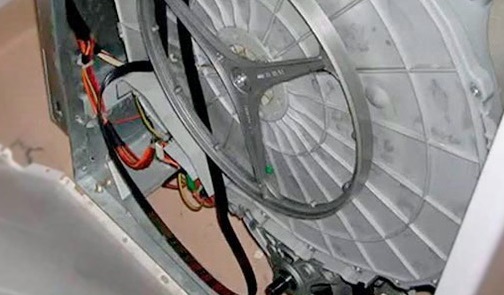
If the belt breaks, you'll first need to buy a new one. You need to find the right one for your washing machine. To do this, write down the model number and go to a home appliance store or service center. A new belt is installed using the same procedure.
Important! A new belt will be even more difficult to tighten than a previously used one.
After repair, you can put the back wall back in place and tighten the bolts, and then carry out a test wash.
We installed a new belt, but it came off.
If you've done everything correctly, the belt shouldn't come off, but sometimes it still does. Why? The problem can be caused by problems with adjacent components. It was already mentioned above that deformation of the shaft, pulley or failure of the crosspiece also affects the belt, the matter is complicated by the fact that such deformations are often not visible to the naked eye. If you encounter the problem of a belt regularly slipping off, contact a specialist.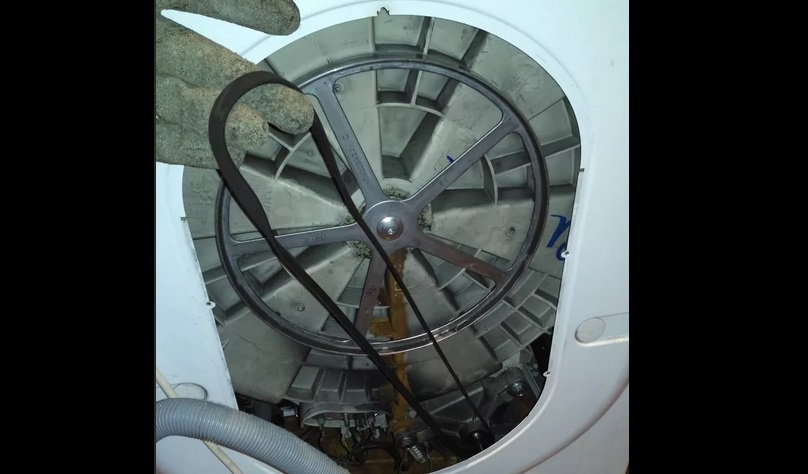
Also, remember that many breakdowns are caused by simple failure to follow operating and safety rules. Treat your home appliance with care, and all its parts will continue to function smoothly for much longer.
Interesting:


Readers' comments
Headings
Washing machine repair




For buyers




For users


Dishwasher




Add a comment