
Forced draining of water from a Gorenje washing machine
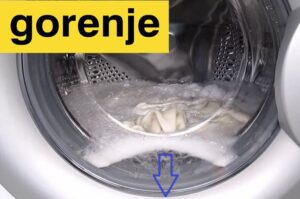 Every housewife faces a situation where she urgently needs to drain the washing machine's drum. Of course, you can simply unplug the machine, remove the waste filter, and drain all the waste into a special container. However, this can not only flood the flooring and neighbors below, but also damage the machine's control module. That's why it's important to know how to safely drain a Gorenje washing machine, which is what we'll cover in this article.
We give the command to drain
The easiest and safest way is to use a hardware forced water drain, for which the manufacturer has allocated a special combination of buttons on the dashboard. The user only needs to press a few keys for the “home assistant” to initiate the draining of waste liquid. The start of this process varies depending on the Gorenje washing machine model, so it needs to be examined in detail.
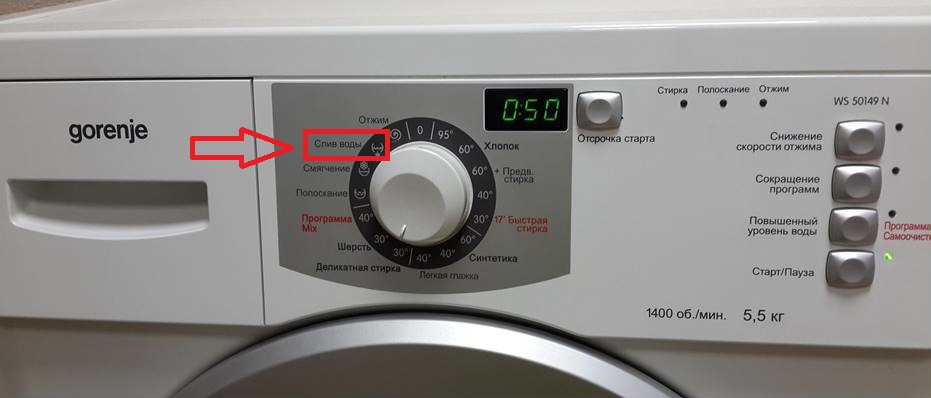
- If you have an older washing machine, one that's 10 years old or more, you can activate the drain function using the programmer that selects the wash cycle. To do this, stop the current cycle by pressing the "Start/Pause" button, turn the programmer to the "Water Drain" position, and then press the "Start/Pause" button again. The machine will then immediately activate the drain function, which will take no more than 90 seconds, even if the drum is full.
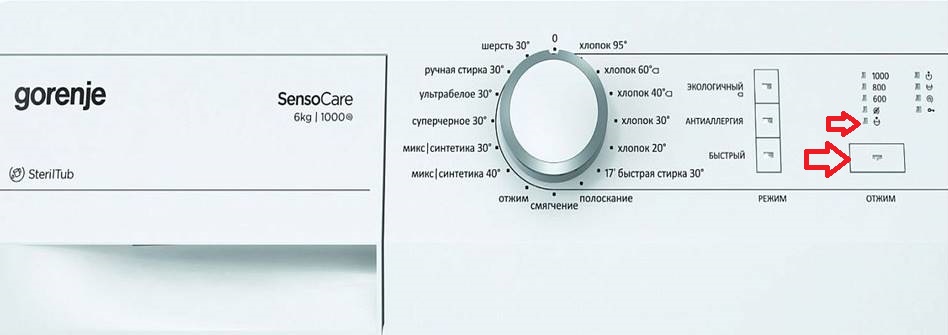
- If you have a newer, budget-friendly machine without a display, you can drain the water using the "Spin" button. It might be confusing for a beginner, as this button is originally assigned to a completely different function, but it also drains the waste water. To do this, stop the current program using the "Start/Pause" button, then press the "Spin" button until the light next to the basin icon with an upward arrow lights up. This light indicates the draining process has started, which is then followed by pressing "Start/Pause" again.
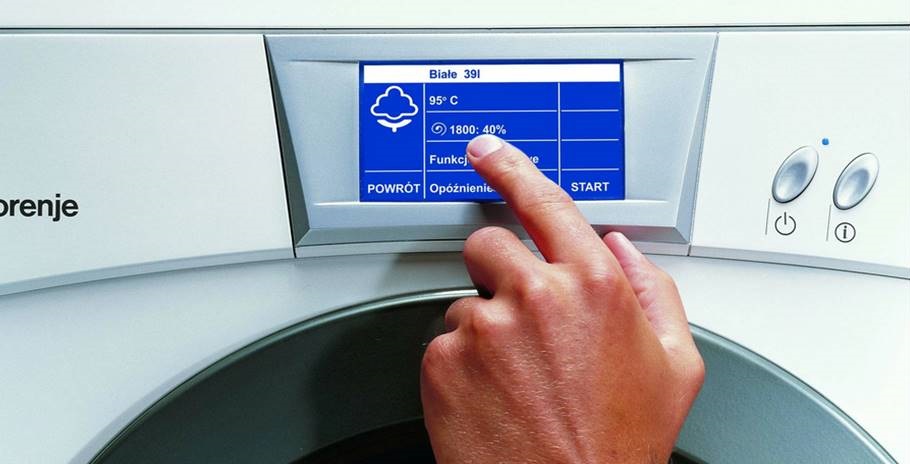
- Finally, if you have a brand new "home assistant" with a modern touchscreen, activating the flush function is even easier. Use a dedicated button to stop the current cycle, go to the touchscreen menu, select "Options," and then "Flush." Then, simply activate the function with the "Start" button.
Thus, regardless of the Gorenje washing machine model, draining is done in just a few steps, which any user can handle.
Getting rid of water manually
Unfortunately, sometimes forced drainage of water is not available for one reason or another. If your device suddenly breaks down and doesn't respond to commands, you'll have to take action yourself. In this situation, one of two elements can be used:
- drain hose;
- trash filter.
The hose is the easiest way to do this, so let's check it first. Since most of the company's washing machines don't have a check valve in the drain, they lack the siphon effect. This is actually an advantage in this situation, as you can simply lower the hose below the level of the drum to direct water through the pipes. The waste liquid will drain quickly, with virtually no effort on the part of the washing machine owner.
If your appliance is equipped with a special emergency drain hose, you should use it to empty the drum in an emergency.
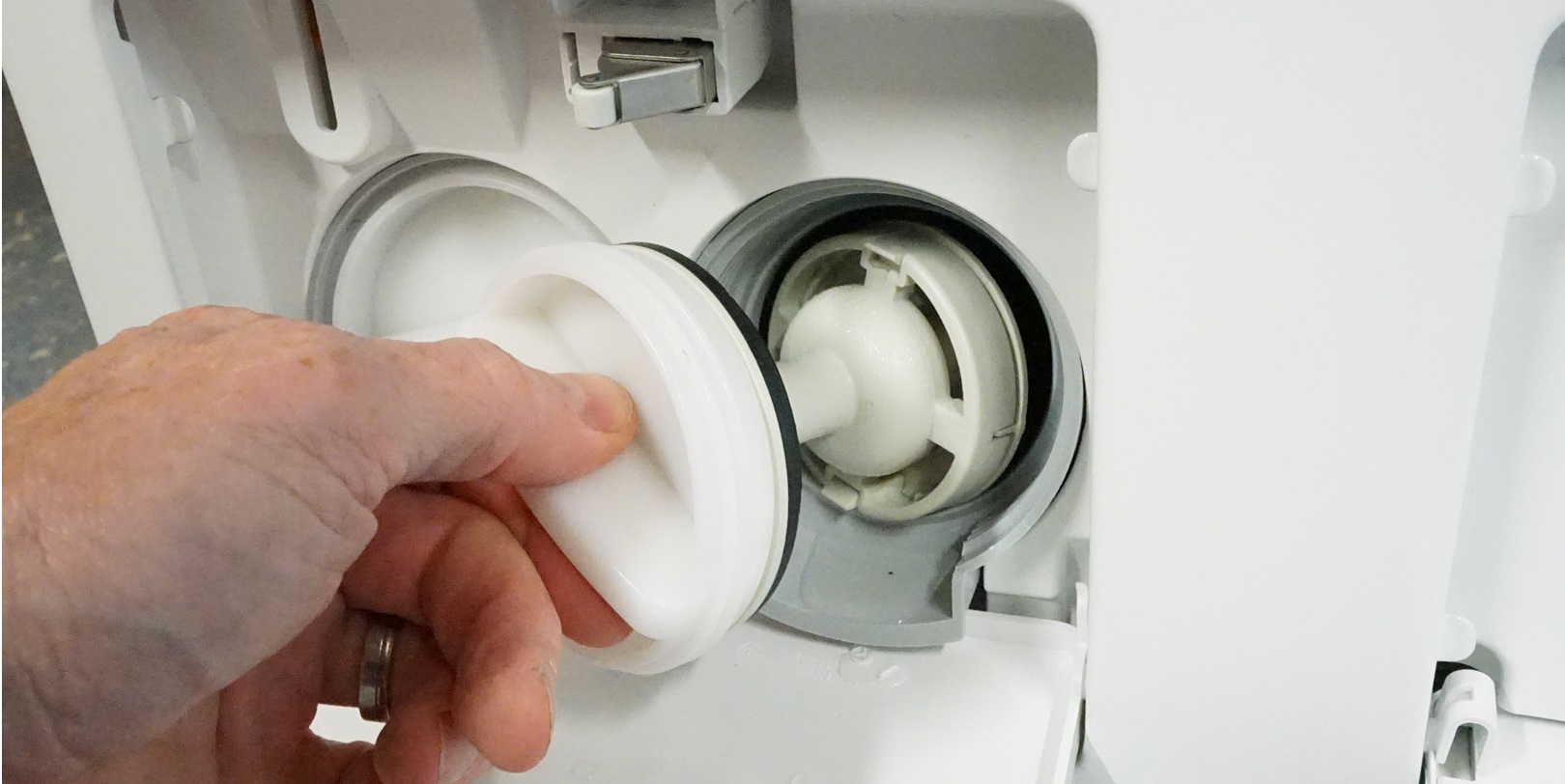
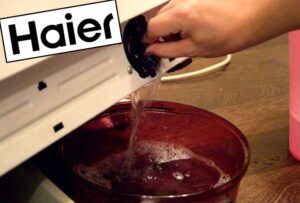
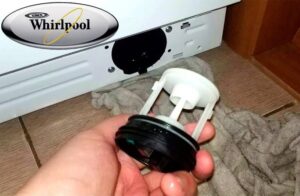
If the drain hose doesn't work, you should use a drain filter, which you should first remove. What should you do?
- Disconnect the washing machine from all utilities.
- Prepare a large container for water to avoid flooding the floors.
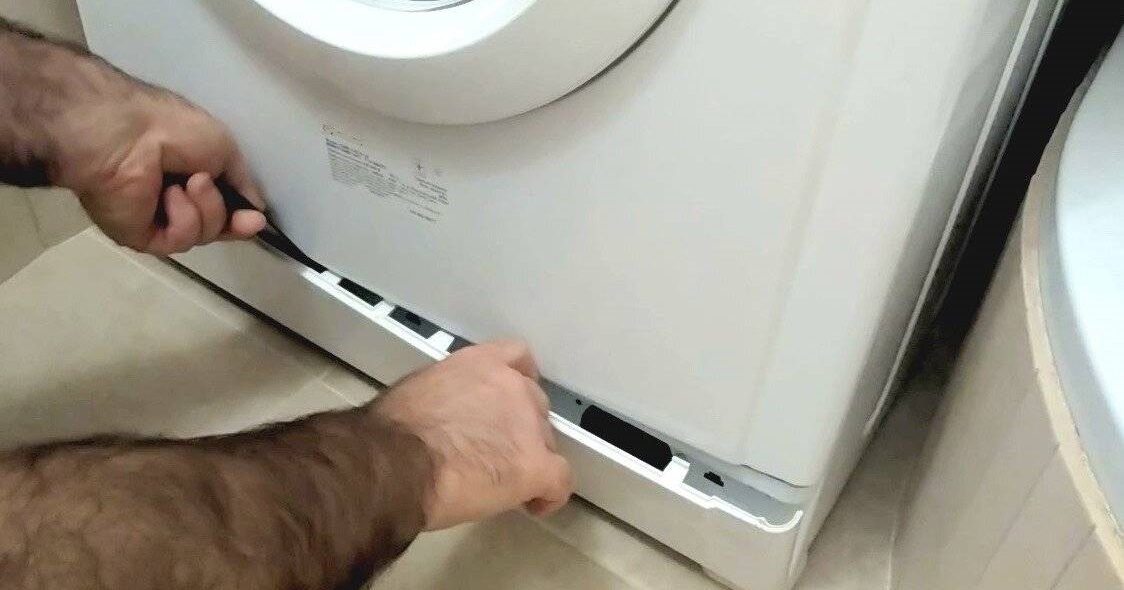
- Pry up the decorative panel from the bottom of the washing machine and remove it.
- Locate the drain filter, which looks like a large black plug.
- Place the prepared container underneath it.
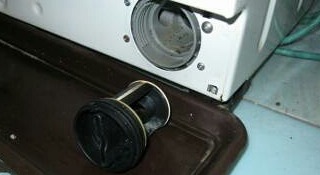
- Carefully unscrew the cap clockwise.
- Wait until all the used liquid has drained.
If the drain filter is open but water still isn't draining, carefully inspect the hose coming from the tank. It may be clogged to the point where dirt is blocking the water from draining. In this case, remove the element and thoroughly rinse it with a strong stream of warm tap water.
Why doesn't the machine remove water on its own?
If your Gorenje washing machine has stopped draining water, it could be due to several problems. This could be a clogged drain filter or even damage to the CM control module. Another problem is that identifying the cause of the problem is very difficult because the breakdowns often present similar symptoms. Therefore, it's necessary to examine all possible components that could be causing the drainage issues.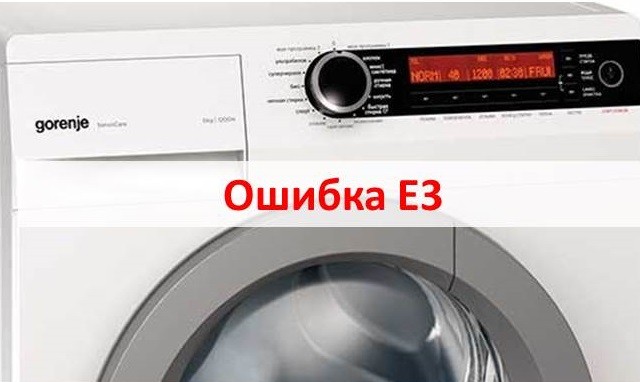
It's also very convenient that new household appliances can automatically detect problems using a smart diagnostic system. Simply launch the self-diagnosis mode, and the machine will thoroughly check all its key components and then report the results. If something is wrong, the user will be informed with a special error code on the display or an active indicator on the dashboard. Then, all that's left is to decipher the message using the official user manual.
Don't forget to use the self-diagnosis mode of the washing machine, which will allow you to save time and accurately determine the cause of the breakdown.
Typically, waste remains in the system rather than being discharged into the sewer due to a number of potential problems. We'll briefly discuss each of them so you know how to deal with them at home.
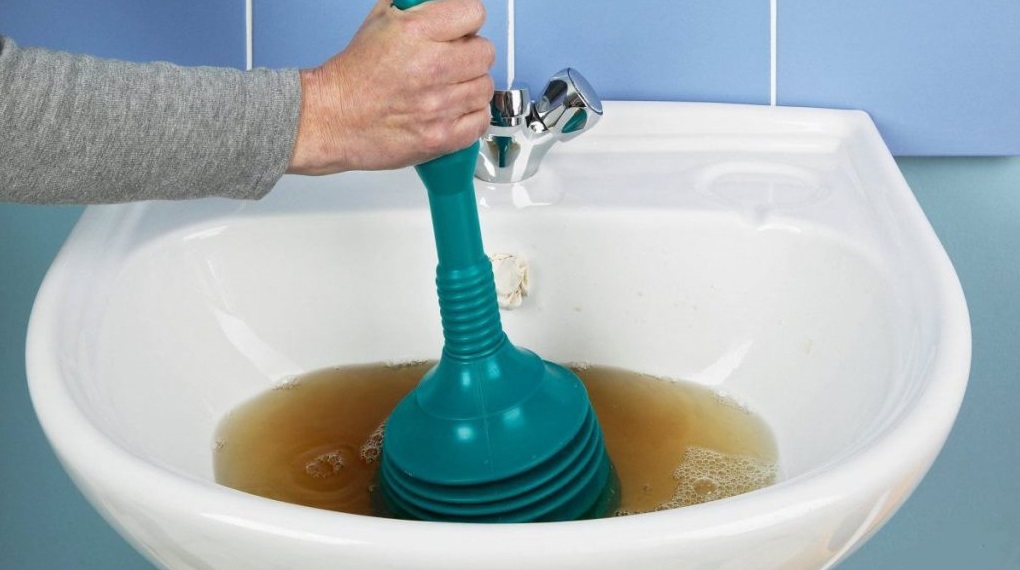
- The external sewer line is clogged. First, make sure the problem isn't within the house or apartment. Often, a no-drain condition is caused by a clog in the main sewer line or trap. To confirm or refute this theory, simply check the drain in your bathtub or sink.
- The internal drain is clogged. The problem could also be a blockage in the machine's drainage system. This can be caused not only by dirt, threads, hair, and foreign objects from clothing, but also by contaminants from hard, poor-quality tap water. These contaminants accumulate inside the drain filter, pipes, and drain hose, which need to be cleaned periodically.
- A damaged pump. If your pump is faulty, you'll notice a loud humming noise during operation and a lack of drainage due to the component failing to perform properly. This can occur not only due to a short circuit, but also due to normal wear and tear, as well as the impeller, which may be clogged with various contaminants.
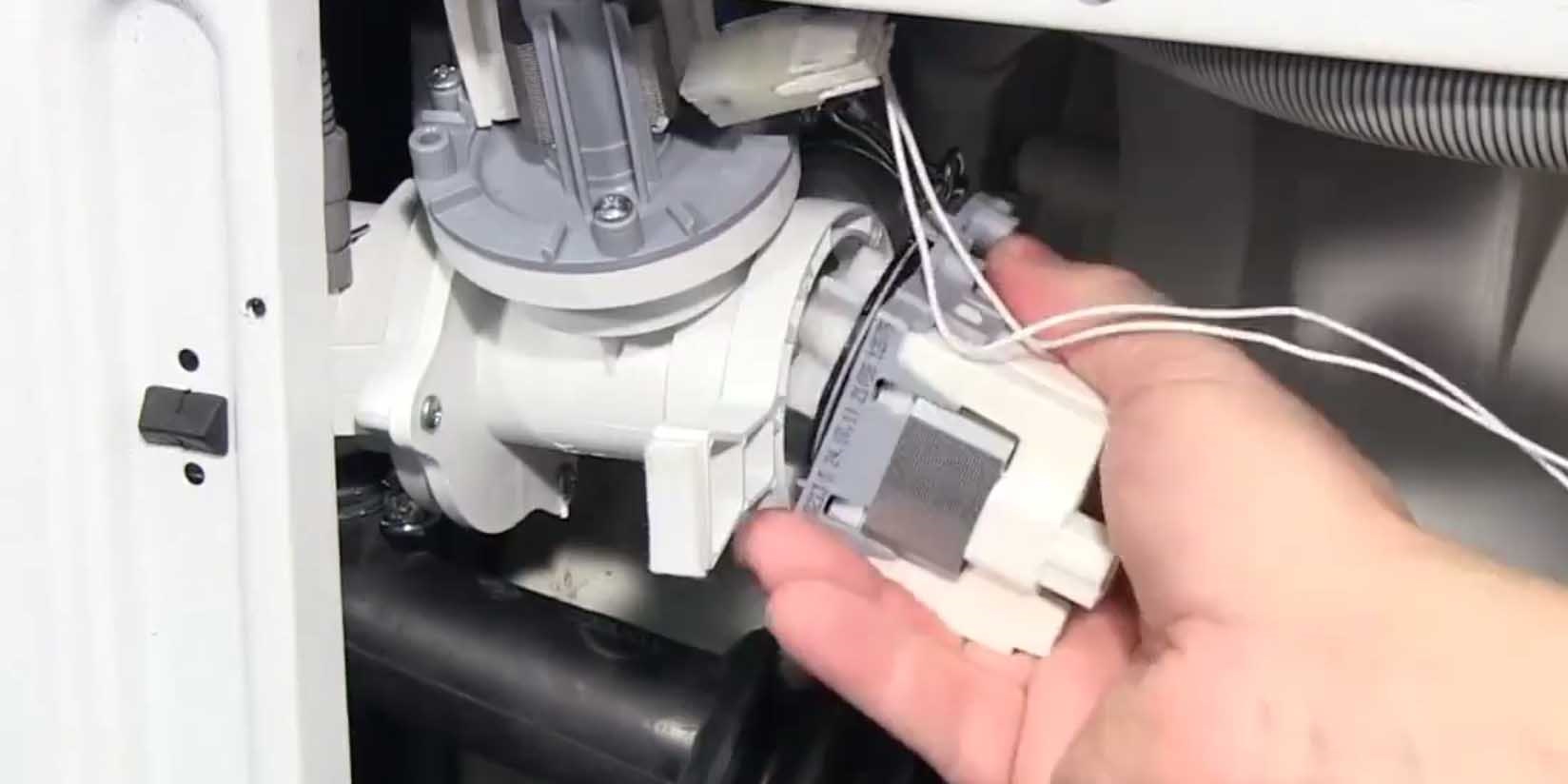
- A faulty control module. The washing machine's "brain" can also fail, preventing waste water from draining into the sewer. Typically, the module fails due to a manufacturing defect, a sudden power surge, or a short circuit.
Do not attempt to repair the washing machine's control board yourself; this component should only be handled by a qualified technician with professional equipment.
- Incorrect hose selection. Washing machines pump water into the drain using a pump with a specific capacity, which is designed for a standard 1.5-meter drain hose. If you install a hose 2 meters or longer, the pump may not be able to handle the required capacity, causing the waste liquid to simply flow back into the system.
Finally, one should never rule out the possibility of simple carelessness on the part of the owner of a household appliance. People often mistakenly activate the dry-cleaning mode or accidentally disable it manually. That's why you shouldn't rush into diagnostics and repairs, as everything may be fine and just need some additional adjustments to the control panel of your Gorenje automatic washing machine.
Interesting:

Readers' comments
Headings
Washing machine repair




For buyers




For users


Dishwasher




Add a comment