
Draining water from the washing machine filter
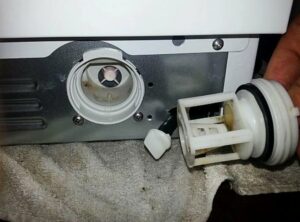 Even the most modern laundry equipment gets dirty during operation. This is not only due to fabric debris, threads, hair, wool, and soap scum, but also to poor-quality tap water, which is often extremely hard. To prevent debris and dirt from accumulating on the internal components of your "home helper," it needs to be thoroughly cleaned periodically. Failure to do so will directly impact first the quality of the wash, and then the condition of the machine itself. We'll explain how to properly drain the water from your washing machine's filter so it can be thoroughly cleaned.
Removing water from the snail
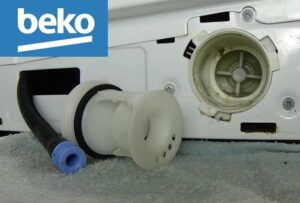
Before cleaning household appliances, you need to get rid of the waste liquid remaining in the system after the last working cycle. You should always start with the pump snail - this is the name of the place where you screw in the drainage filter. It is through this snail that all the dirty water pumped out of the tank by the SM pump passes. Unfortunately, not all of the used liquid goes down the drain—some remains in the snail. Therefore, to prevent flooding the floors, the waste filter must be removed after the used liquid has been drained.
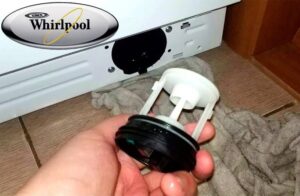
At first glance, this may seem difficult, as the drainage element covers the volute, so it can't be removed after the water has drained. However, you can first lay rags or old towels on the floor and then slowly drain the system. Simply gradually open the filter, drain a small amount of water, collect it with rags, and repeat this process until the water runs out. Then, all that's left to do is remove the filter for further cleaning.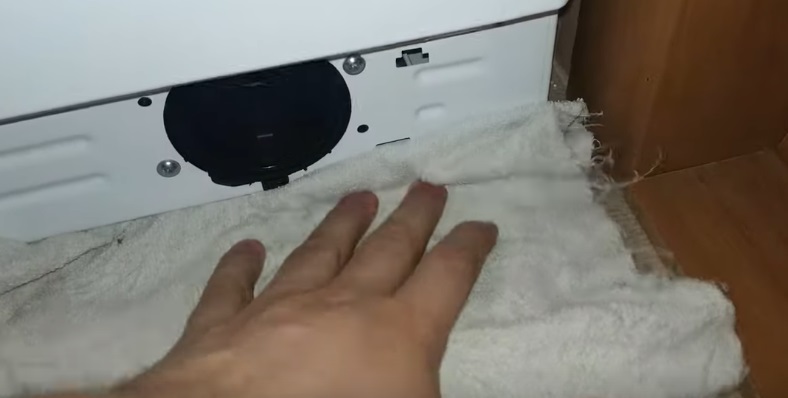
Removing the water is even easier. To do this, take a flat baking sheet, place it under the front right foot of the washing machine, and begin draining the water. This way, all the liquid will drain into the prepared container, not onto the floor. Carefully pour the liquid into the tray, then carefully lift the machine to remove the container from underneath. Finally, dispose of the water by pouring it into the sink or toilet.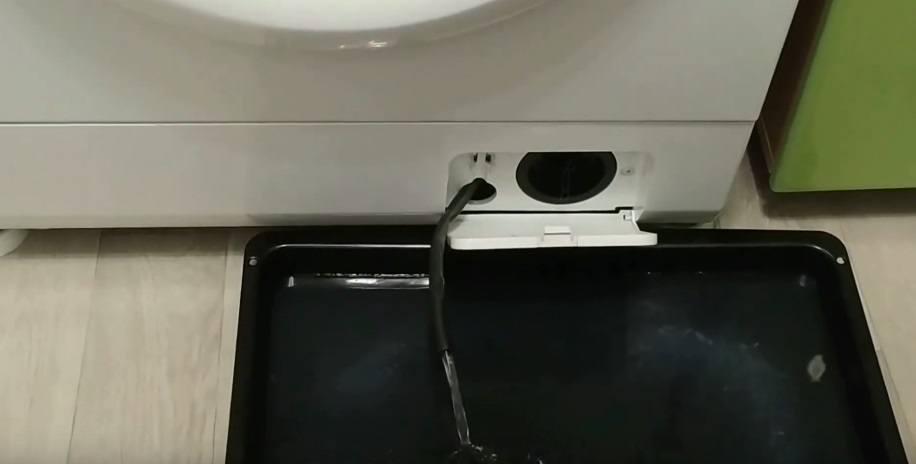
It's also worth considering if your "home helper" has a special hose for emergency draining. If it's located near the drain filter plug, getting rid of the water will be even easier. Simply remove the hose, place a basin or bucket underneath, open the plug, and drain all the waste liquid. After the draining process, there will be a small amount of water remaining in the snail; you can wipe it off with a dry cloth or simply pour the remaining liquid into a small container.
The filter is extremely dirty
Users often encounter a situation where they are unable to clean the debris filter. This can happen if the drainage element has not been removed for cleaning for a long time, or if it has never been cleaned at all. Then the unit won't clear with a simple stream of tap water. What can help?
- Vigorous cleaning with a toothbrush. Because the debris filter becomes heavily coated with caustic deposits, it may require cleaning with an old toothbrush pre-treated with laundry soap. You'll likely need to scrub the element vigorously to remove all debris.
Alternatively, you can use a sponge with an abrasive surface, which will effectively remove any plaque.
- Soaking. When all else fails, simply soak the part in a citric acid solution. To do this, dilute the citric acid in hot water, adding approximately 50 grams per 1 liter of water. Then, place the drainage element in the resulting solution for at least an hour. Thoroughly rinse off any remaining solution and dirt after the specified time.

- Using household chemicals. Finally, if the citric acid solution doesn't help, you should purchase a special cleaning product specifically designed to combat plaque, rust, and other stains.
When cleaning, don't be afraid to use force, as the debris filter is resistant not only to friction but also to household chemicals. The only thing we recommend avoiding is immersing the part in boiling water or strong alkalis, as these can damage the drainage element.
The filter is stuck tight.
Let's also examine a common situation in which users are unable to drain the waste water from the system simply because the drain filter won't come out, even with brute force. This can occur due to a blockage from a foreign object or a thick layer of scale covering the part. Regardless of the cause, the blockage should be removed immediately and then thoroughly cleaned.
As an alternative to manual cleaning, you can use the cleaning cycle of your washing machine with a special detergent.
Dealing with something like this isn't easy, as you'll need both strength and ingenuity in addition to free time. There are three ways to solve the problem, each suitable for different situations. We'll start with an easy one, which should help fix a minor issue, and finish with a more radical method, suitable only in exceptional cases.
- First, try removing the debris filter using common tools that every home should have. These could be simple pliers or flat-nose pliers, which you can use to secure the protrusion on the part and then try to pull it out. It is important not to overdo it so as not to accidentally break the plastic element.
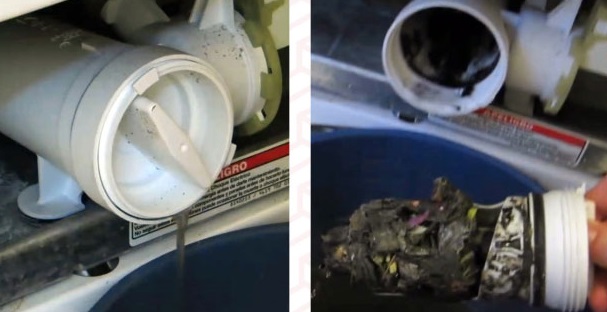
- If the first solution doesn't work, you can try knocking out the drain element. You don't need a hammer or other tool; simply tilt your "household helper" so it rests against the wall and then gently tap the surface near the top of the washing machine with your fist. Sometimes this can dislodge any foreign object that might be blocking the unit. Repeat this process if your drain filter is loose in its seat but you still can't remove it.
- The last method is only suitable for experienced users, as it requires disassembling the washing machine to access the drain element through the pump. Lay the machine on its side, remove the bottom, remove the pump, and clear the debris filter through the resulting opening. You can also treat the unit with WD-40 to effectively remove limescale.
Don't hesitate to call a service center specialist if you are unsure of your abilities and are afraid of further damaging the device.
Most washing machine drains are easy to clean, especially if you maintain them and clean them at least quarterly. Cleaning frequency also depends on how often you use the appliance, as well as whether you have pets in the house, which will require cleaning the drain filter monthly.
Interesting:


Readers' comments
Headings
Washing machine repair




For buyers




For users


Dishwasher




Add a comment