
How to install a drain for a washing machine
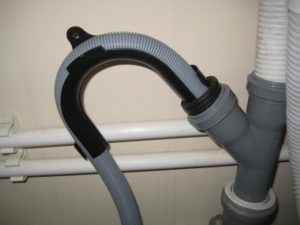 If you've decided to connect your washing machine yourself, rather than entrust the job to a professional for the sake of saving money, be sure to understand all the details beforehand. This way, you'll be fully prepared, have everything you need ready, and perform the job efficiently. How to drain your washing machine properly and the various methods available will be discussed below.
Connection methods, which one to choose?
There are three ways to drain waste water from a washing machine.
- The first method involves draining the water into the plumbing – the easiest option to implement. Even a beginner who is connecting a washing machine for the first time can make such a drain.
- The second method involves connecting to the drain via a siphon. This method is considered the most optimal and is used most often.
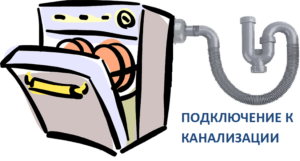
- The third method is to connect the drain hose directly to the sewer. This option is difficult to organize, so this method is usually left to a professional.
Besides the complexity of the connection, each option has its pros and cons. For example, draining the water into the plumbing fixture is the least reliable and unsightly. The drain hose connection through the bathtub or toilet can come loose, causing water to flood the bathroom. Furthermore, this can pollute the bathtub, which will have to be cleaned until it sparkles every time you take a shower. An unpleasant odor may linger in the room during the drain. By contrast, connecting through a trap will protect you from such odors.
Think carefully before choosing one connection method or another; it's better to spend time and effort now than to redo everything later and pay for damage to your neighbors.
The overboard drain method is only suitable if you're installing the washing machine in a cottage or private home without a sewer line. In this case, you run the hose into a special tank, from which you empty the water after each wash cycle.
What is needed for work
When preparing for work, check the length of the standard hoses to ensure they are sufficient for the drainage method you have chosen. You may also need adapters.Their size and design will depend on the material of the pipes and drain in your apartment. So, in addition to the included drain hose, you may need:
- sealing rubber;
- clamp;
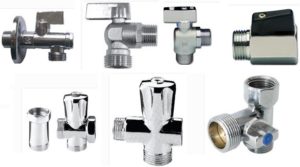
- fitting;
- check valve;
- siphon;
- tee;
- set of keys;
- Angle grinder for cutting pipes when connecting directly to the sewer.
We connect via a siphon
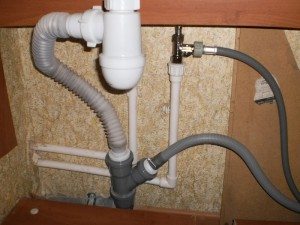
When installing a washing machine in the kitchen, the preferred drainage method is to connect the drain hose to the sink's drain trap. This requires space for the machine near the sink. If the existing drain trap doesn't have an additional outlet for the washing machine, you can replace the entire trap with a new one or add a branch pipe. It would be even better if you purchased a special siphon with a branch and a check valve.
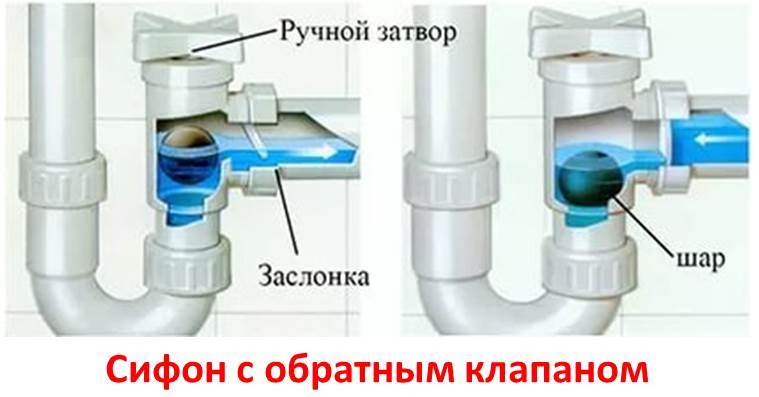
The check valve will prevent waste water from flowing back into the machine, as well as the formation of unpleasant odors.
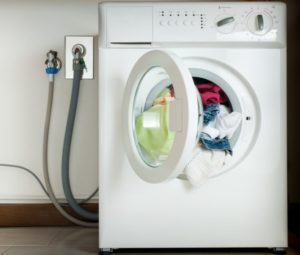
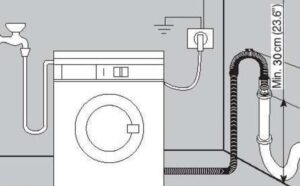
The siphon is installed as high as possible on the sink, at least 40 cm above the floor. The drain hose from the machine is secured to the machine body at a height of 70 cm from the floor using a special holder. This allows the hose to first rise and then lower back into the drain.
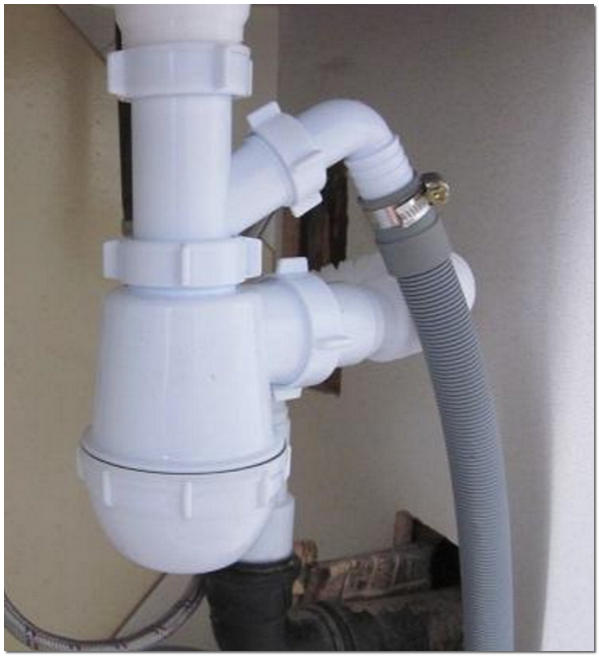
The drain hose is connected to the siphon via a special fitting, which is placed on the siphon branch and secured with a clamp. A similar connection is shown in the photo below.
Connection without siphon
Connecting directly to the sewer system without a trap requires specialized plumbing skills. Therefore, if you're unsure of your abilities, it's best to contact a professional. Furthermore, if the machine isn't properly connected, it won't be covered under warranty. The repair will be entirely at your expense.
What do you need to do to connect the drain directly? You need to make a cut in the sewer pipe to branch off for the drain hose. It's good if the sewer pipe is plastic, but problems may arise with cast iron pipes. Once the branch pipe is installed, insert the drain hose into the branch pipe through the sealing ring. Maintaining the correct connection height is crucial. The hose should be inserted into the drain at a height of at least 60 cm, but it should not touch the water. This will help trap odors.
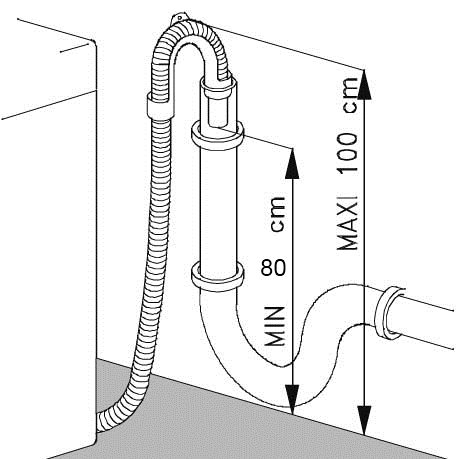
Important! The hose connection height affects the drain pump load. Therefore, adhere to the recommended height.
Draining the washing machine into the sewer is good if the sink with a siphon is located more than two meters away from the washing machine. A long hose is not a solution in this situation, as it puts additional strain on the pump.
Therefore, if you follow the instructions and recommendations in your washing machine's manual, you can connect the machine to the drain yourself. After connecting, be sure to test the washing machine in idle mode and ensure all connections are tight.
Interesting:
1 reader comment
Add a comment
Headings
Washing machine repair




For buyers




For users


Dishwasher




Why drain through a siphon if there's residual water in the washing machine's drain hose, which acts as a water seal? The hose from the machine rises and then falls, creating a water seal!