
How to connect a washing machine drain to a toilet?
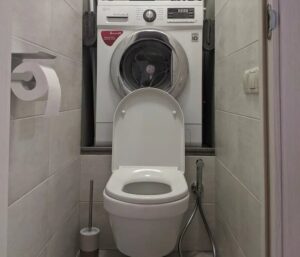
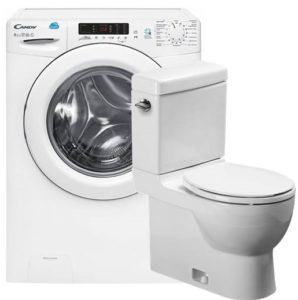 Washing machines are most often installed in bathrooms, but not always in the traditional way. While some place the machine next to the bathtub or under the sink, others place the units above the toilet. There are numerous options, but the main thing is to securely fasten the appliance and ensure proper drainage. If a direct connection to the sewer outlet is not possible, the only option is to drain the washing machine into the toilet. We'll explain how to do this in more detail.
Overflow
The simplest and most obvious way is to flush the toilet. Simply secure the flush hose with a special plastic holder that fits onto the rim of the toilet seat. No special skills are required – even a child can secure the “loop”.
This method has undeniable advantages:
- it's simple;
- there is no need to dismantle plumbing and open the wall;
- no need to use tools or get into sewer pipes;
- The drain hose is installed at a sufficient level from the floor.
That's where the advantages end, and the disadvantages begin. There are twice as many of them:
- the hose will have to be constantly hung up and put away;
- it's easy to forget about the hose and cause a flood;
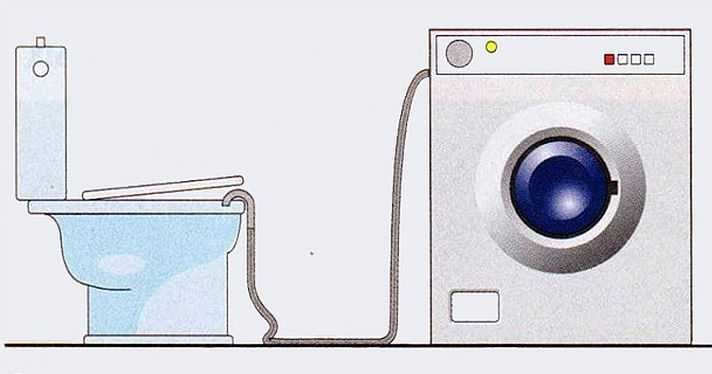
- the hose is not securely attached, so due to vibrations coming from the machine it may come off and flood the room;
- If the hose is not long enough, the water will splash and pollute the surrounding area;
- The plastic holder, when constantly shifted, deforms the corrugated pipe, damaging the hose.
When draining water from the washing machine directly into the toilet, control the process by holding the hose and preventing it from moving.
This drainage method will also cause inconvenience in everyday life. Firstly, you won't be able to use the toilet while washing. Secondly, the wastewater coming from the machine will accelerate the clogging of the toilet bowl. If this is unacceptable, you should consider a different sewer connection.
Eccentric cuffs and elbows with a nipple
It's much safer and more convenient to avoid a direct toilet drain and connect the washing machine to the central wastewater system. This requires an elbow or sleeve equipped with a special nipple. Ideally, such an elbow should be installed immediately during plumbing installation, to avoid having to change the plumbing lines or open the coverings later. Before connecting the machine, the additional opening is sealed with a plug.
This method will allow dirty water to drain directly into the sewer pipe, bypassing the toilet. The toilet seat will remain clean, and the toilet will be free for use. The only problem is finding the right fitting, as not all stores sell additional elbows and sleeves.
To connect the washing machine to the sewer, you need a corner with a nipple.
A direct connection to the sewer system poses a risk of wastewater backflow into the washing machine due to the so-called "siphon effect" and pressure differences. To prevent this, measures must be taken.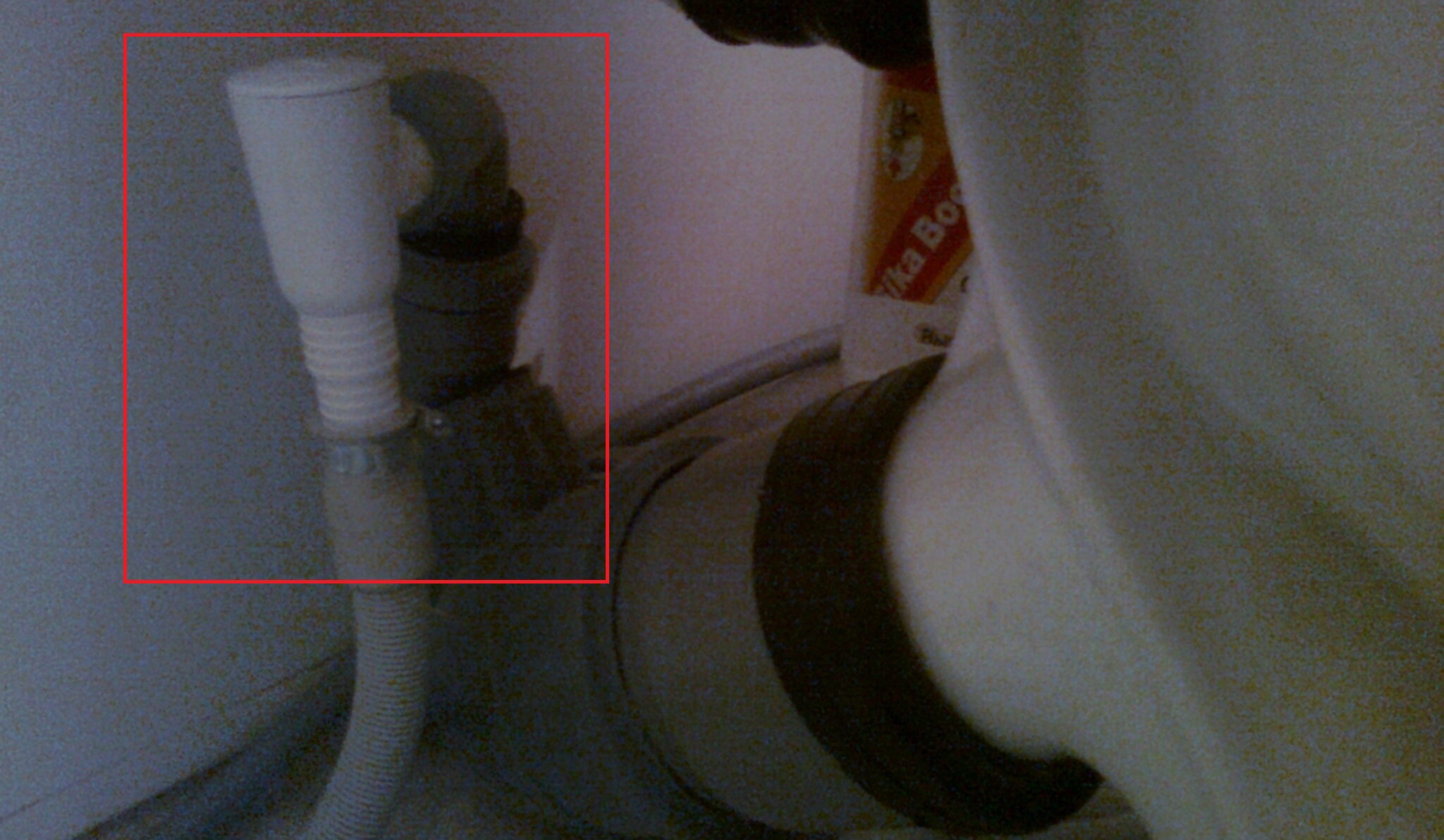
- Install a siphon with a check valve.
- Raise the drain hose 80-90 cm from the floor covering.
By creating an elbow, you can smooth out any potential pressure differences and reduce the likelihood of dirty water backing up into the machine. The check valve will open during draining and close the rest of the time. It is also important to ensure that the connections are secure: the joints between the sleeve, siphon and fitting must be tightened with clamps and coated with sealant.
If the washing machine is located next to the toilet, it's easier to drain through it. Initially, the hose can be lowered directly into the toilet, but for the long term, a direct connection to the sewer system is better.
Interesting:
Readers' comments
Headings
Washing machine repair




For buyers




For users


Dishwasher




Add a comment