
Wall drain for washing machine
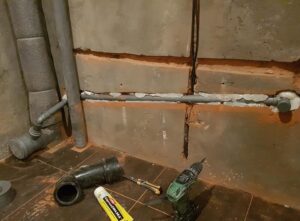 When renovating a bathroom, people often plan the interior down to the last detail. Residents prefer to "hide" all hoses and pipes so nothing unnecessary is visible. How should I install a drain in the wall for the washing machine so that the hose can be easily removed and cleaned later, if necessary? At what height should the drainage system be connected? Let's explore the nuances.
Planning and procurement of components
When renovating a bathroom, residents increasingly consider the possibility of "hiding" sewer and water pipes. Before starting work, it's important to plan whether this option is feasible in your specific case. Consider the thickness and material of the walls—this will be crucial.
Professionals generally don't recommend hiding pipes running under the bathtub in the wall. There's no point in doing so, as the pipes won't be visible anyway. This will only lead to additional costs and unnecessary work.
But hiding the drain hose of an automatic washing machine makes sense. The corrugated hose is usually visible until it's hidden under a bathtub or sink. Let's figure out how to hide the drain in the wall. What do you need to do this?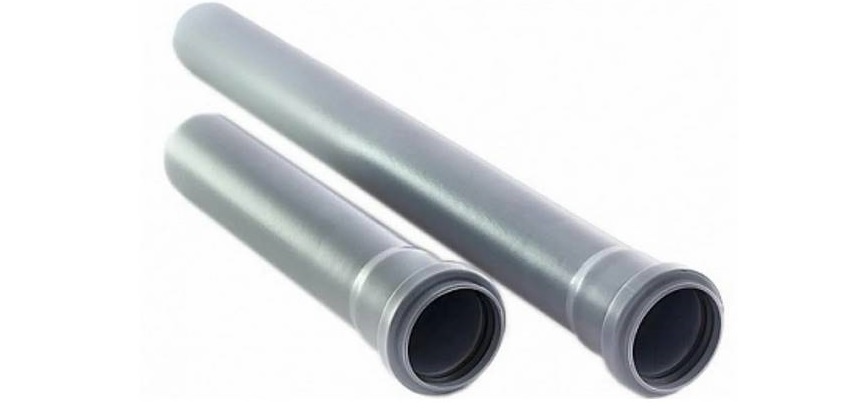
Let's say the washing machine is connected to a shared drain trap. The drain hose runs from the machine to a decorative panel under the bathtub. How can I hide the corrugated pipe?
- Assess how easy it will be to cut a groove in the wall.
- If you are purchasing a new washing machine, calculate whether the drain hose is long enough to reach the outlet.
- Prepare all the tools and materials that will be needed during the work.
It is necessary to organize the drainage so that the automatic machine hose can be easily serviced.
You'll need to create a recess in the wall for the washing machine's drain and inlet hoses. Don't just lay the pipes and plaster them over; you need to make sure they can be easily pushed in and removed when needed. The easiest way to create such a recess is with a ventilation duct.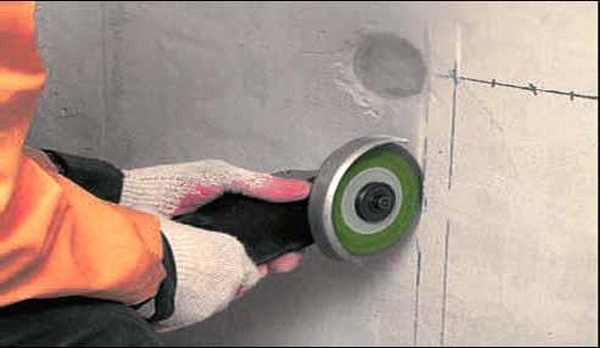
To cut a groove in a wall, you'll need a hammer drill. You can also use a wall chaser to create a groove. It's best to use a vacuum cleaner to keep the job dust-free.
The recess is made large enough to accommodate the ventilation duct. The niche should also accommodate both the drain and inlet hoses of the washing machine. After installing the plastic element in the groove, the wall will need to be plastered to level the surface.
Laying communications and connecting the hose
When installing a washing machine, it is important to pay attention to the height of the drainage hose connection. The end of the drain hose must be located at least 50 cm above floor level. This is stated in the instructions for each SMA.
The drain hose starts inside the washing machine. The middle of the corrugated hose rises and attaches to a factory-installed ring or hook on the rear wall of the machine. Next, the hose must be passed through a ventilation box hidden in the wall and connected to a branch of the drain trap under the bathtub or sink.
The algorithm of actions will be as follows:
- decide on the location of the washing machine;
- draw markings on the wall for chasing;
- make a recess of the required size in the wall;
- install a ventilation box into the wall;
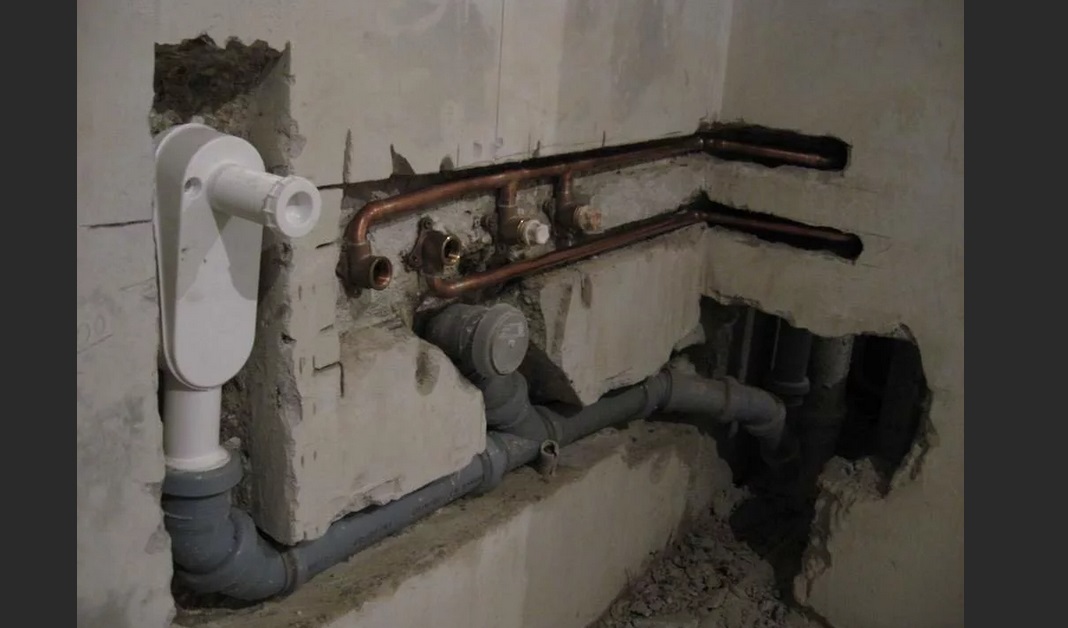
- plaster the wall (this will leave only two holes on the surface for the “entrance” to the niche and the “exit” from it);
- place the machine, pass the drain hose through the wall to the siphon outlet;
- Connect the machine's drain hose to the siphon branch and secure the joint with a clamp.
A hidden niche in the wall is an excellent option for “hiding” the drain and inlet hoses of a washing machine.
Be sure to pay attention to the drain height. If the end of the hose is positioned too low, a siphon effect can occur. Water will flow back into the machine instead of going down the drain. Wastewater will end up in the drum, along with the laundry.
Alternatively, self-draining will become possible. Clean water will go straight to the drain. The machine will still be unable to fill the drum, and the cycle will be interrupted by a self-diagnostic error.
Avoid placing the washing machine too far from the drain connection. The drain hose should not exceed 1.75 meters in length. Otherwise, the load on the washing machine's pump will be increased, leading to premature failure.
When choosing to conceal the machine's corrugated hose in the wall, be sure to consider the drain height and subsequent access to the hose. The drain hose often becomes clogged, meaning it will need to be cleaned. Therefore, the hose must be easily removed from the "hidden location."
Interesting:
Readers' comments
Headings
Washing machine repair




For buyers




For users


Dishwasher




Add a comment