
How to drain water from an Electrolux dishwasher
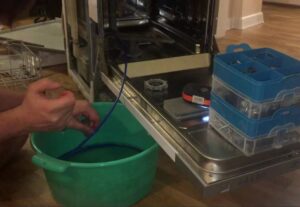 Any dishwasher always fills completely with water during operation, but it usually doesn't drain completely after the cycle. For this reason, dishwasher manufacturers even recommend leaving the door open after use to allow at least some of the water to evaporate. Therefore, it's perfectly normal for there to always be some water in the dishwasher. However, sometimes there shouldn't be any liquid inside the appliance, so a forced drain is necessary. How and why to perform this procedure is discussed in today's article.
What are the goals of the PMM owner?
Draining an Electrolux dishwasher is usually necessary when something has gone wrong and the appliance requires diagnostics and repair. In this case, draining all the water from your dishwasher is essential, and with extreme caution to avoid further damage. Therefore, when turning the dishwasher over, be careful not to spill water on the power board or control unit. A short circuit on the power board can not only seriously damage the entire "home assistant" device, but also cause harm to human health.
Much less commonly, people drain their dishwashers to leave them in that condition for the winter. This may be necessary if the appliance is used in an unheated room during the warmer months. If you leave the appliance in a cold room over the winter without draining it first, the liquid inside will freeze in subzero temperatures and could rupture the plastic hoses.
Then, in the spring, the user will face unpleasant, expensive repairs that could have easily been avoided by draining the fluid in the fall. To summarize, water is drained either to repair the equipment or to avoid the need for repairs later.
Removing water from a working dishwasher
If forced drainage is needed specifically to preserve working appliances until warmer weather, the entire procedure will take very little time. Follow the instructions for proper drainage.
- We activate the water drain program and wait until the dishwasher completes its working cycle.
- We disconnect the equipment from all communications and remove the hoses.
- We cover the floor with rags or towels.
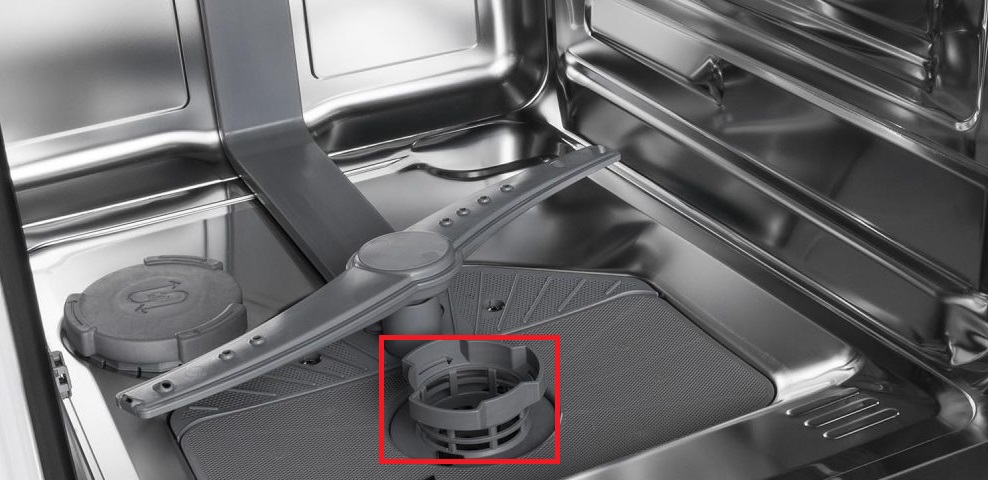
- We remove the debris filter from the bottom of the washing chamber along with the lid of the salt reservoir.
- Slowly tilt the equipment onto its right side to drain any remaining liquid.
- We open the door to let the dishwasher dry from the inside.
If possible, keep the dishwasher in a warm, well-ventilated area to help the water inside dry faster.
Once the appliance is dry, store it in a dry room until spring. This will ensure the appliance is protected from frost and damage to its pipes.
Removing water from a broken dishwasher
If the machine is damaged and won't drain, you'll have to take a different approach. While you can still tilt it on its side and try to drain all the liquid, this can spill liquid not only on the floors but also on the power board, causing catastrophic damage to the appliance. Not to mention the risk to your health if a short circuit occurs. What should you do in such a situation?
- Turn off the power to the equipment and disconnect it from the water supply.
- Open the door, remove the lower dish rack, and then the trash filter with mesh.
- Also unscrew the cap of the salt reservoir.
- Next we will need a large empty basin, a dropper tube and a syringe.
- Place one end of the tube into the salt hopper and connect the other end to the syringe.
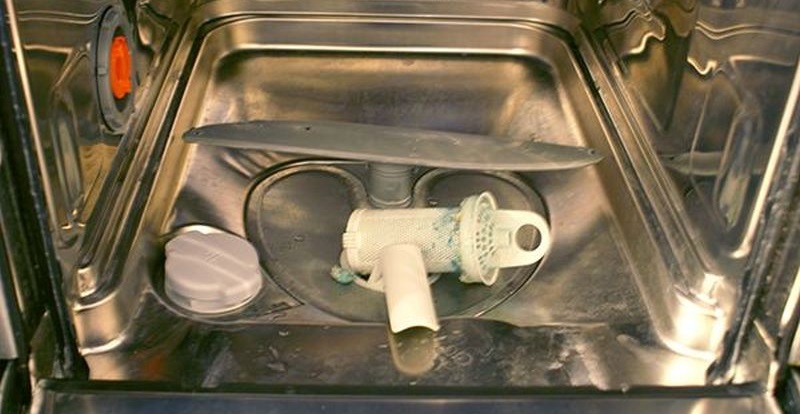
- Suck up some water with the syringe, then remove it from the tube and lower the end of the tube into the basin.
- The water should flow out of the hopper into the basin on its own.
- Repeat the steps with water from the trash filter.
These steps allow you to easily drain almost all the water from your dishwasher. Afterward, all you have to do is let the appliance dry for 24 hours, after which you can transport it to a service center or repair it yourself at home.
Why doesn't the dishwasher drain water?
Why does liquid sometimes remain in the Electrolux "home assistant"? Why does it simply stop draining for no apparent reason? This problem is often caused by clogs or damage to the draining components.
The most common cause remains debris clogging the filter, causing water to stop circulating properly and become blocked in the wash chamber after the cycle. This often happens because users forget or are simply too lazy to pre-clean dishes from food residue and grease. In this situation, food particles and other debris clog the filter and normal drainage becomes impossible.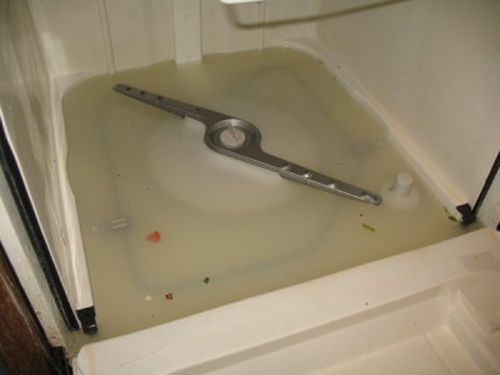
Fortunately, this problem is very easy to fix. Simply clean the debris filter and mesh yourself. This can be done with a needle, a strong stream of hot water, or by soaking the parts in a citric acid solution for an hour. It's much more difficult to find a solution if the drain isn't working due to:
- pump damage;
- circulation pump malfunctions;
- water level sensor failure;
- failure of the PMM control module.
Any of these four situations is a valid reason to call a service center specialist. It's best not to attempt to tinker with the machine yourself unless you have specialized training or experience in household appliance repair.
Interesting:




Readers' comments
Headings
Washing machine repair




For buyers




For users


Dishwasher




Add a comment