
Is it possible to drain water from a washing machine and dishwasher into a septic tank?
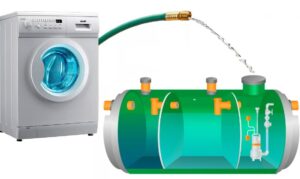 A septic tank is a common choice for homeowners who choose an environmentally friendly treatment facility for their family, thus creating a self-contained sewer system. In this case, water flows into a settling tank, where it is purified by bioenzymatic agents and beneficial microorganisms. In this situation, the liquid used by the appliances is an important consideration: can I drain water from my washing machine and dishwasher into the septic tank? Will the wastewater, containing household chemicals, contaminate the cleaning agents and beneficial bacteria?
Are washing machines and dishwashers compatible with a septic tank?
Choosing the right septic tank for your home can provide comfortable living conditions that rival those in an apartment building maintained by a management company. However, to achieve this level of comfort, it's essential to carefully follow all operating instructions for the septic tank. First and foremost, it's important to understand what liquids are allowed to be discharged into the septic tank, and what is prohibited.
Residues of harmful detergents in water from washing machines and dishwashers can kill beneficial microorganisms that multiply in the septic tank.
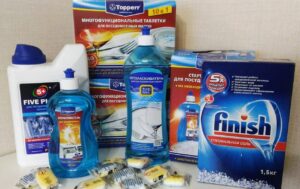
However, not all chemicals for clothing and dishes can harm the septic tank and bacteria. There are chemical compositions that do not use chlorine, phosphates or petrochemical elements - such detergents are completely harmless to the cleaner. With such chemicals, the waste moisture from "household helpers" will not harm the septic tank in any way.
Currently, special household cleaning products for dishes, laundry, and plumbing fixtures that do not interfere with the operation of a septic system are widely available on store shelves. These cleaning products were specifically developed for owners of septic systems, so they can be confident in the composition of the water entering their septic tank. Let's take a closer look at the ingredients that should be avoided in cleaning products if you plan to reuse wastewater through a septic tank: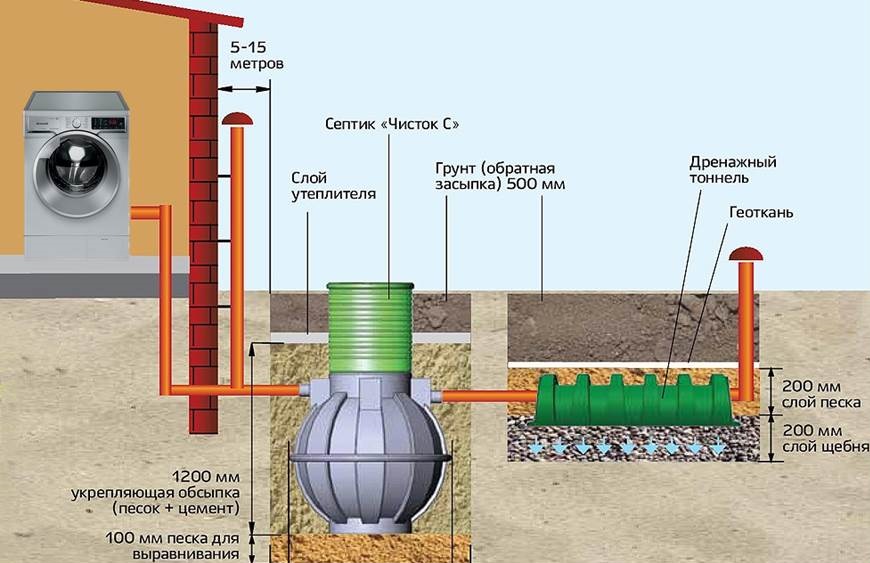
- chlorine;
- any household chemicals with a surfactant content of more than 5%;
- phosphates;
- sulfates;
- petroleum products such as gasoline, oil, kerosene, solvents and others;
- alcohol;
- alkali;
- medications containing formaldehyde and oxidizing agents, which can cause an unpleasant odor in the septic tank;
- finally, any substances containing dyes or flavorings.
The list of substances prohibited for septic tanks is long, but there are even more safe chemicals created using natural ingredients. Natural extracts, sodium carbonate, various vegetable and animal oils, biodegradable substances, and even regular soap do not harm the septic tank and beneficial bacteria, so finding safe chemicals is not that difficult.
The main rule to follow when maintaining a stand-alone sewer system is that the fewer harmful components that enter, the better and longer the treatment system will serve you. Therefore, it's important to pay close attention to all the recommendations above and always carefully examine the ingredients of the chemicals you purchase to ensure they are free of any harmful substances. This will not only improve the efficiency of the septic tank but also extend its lifespan.
Where to dump "hazardous waste"?
Life happens, so if you don't want to change your usual household chemicals, or if you can't do so, you need to figure out how to properly dispose of wastewater containing harmful chemicals. When using non-eco-friendly detergents, pour the wastewater into one of the following options instead of the purifier:
- ground filtration areas;
- filter cartridge;
- a sealed container for water.
Sometimes you can find special septic tanks on the market that are resistant to even the most harmful household chemicals, but such devices are not cheap.
In a private home, any of the five methods listed above for disposing of water from a washing machine or dishwasher can be easily implemented. The simplest and most cost-effective option is to install a stand-alone water collector for wastewater. It will be more expensive, but more effective to purchase a filter cartridge for water purification.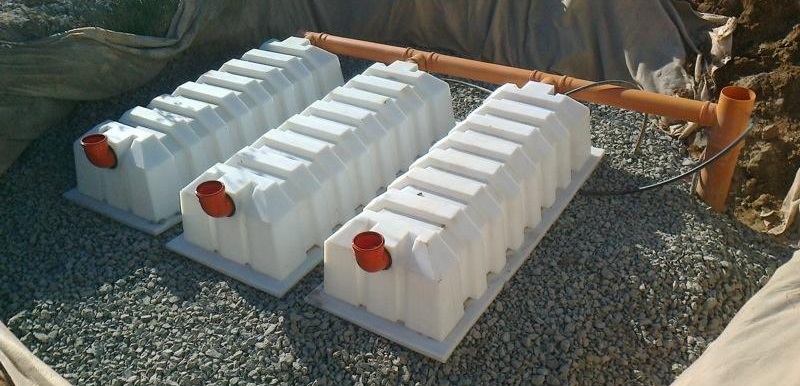
The wastewater management solution is even more elegant if you have a large septic tank on your property – in this case, you don't have to worry about draining water from household appliances into the purifier. 40-50 liters of water with detergent won't significantly affect the bacteria-laden water in a tank filled with several thousand liters.
Therefore, if you use your washing machine or dishwasher less than ten times a month, this amount of chemical-laden water won't kill beneficial bacteria or contaminate the water. However, even in this case, it's best to switch to safe detergents made from natural ingredients and free of harmful chemicals. This will improve the quality of the water in your septic tank and help protect the environment.
Interesting:

Readers' comments
Headings
Washing machine repair




For buyers




For users


Dishwasher




Add a comment