
My AEG washing machine won't drain.
 When an AEG washing machine is unable to drain the water from the drum, the wash cycle stops. The machine will not begin either the rinse or spin cycle. The control module interrupts the cycle and displays a corresponding error code on the screen. You cannot continue using a machine that is not draining water. In this situation, you will need to check all the drainage system components one by one and identify the problem area. We'll explain how to begin troubleshooting.
Maybe the filter is just clogged?
First, try to analyze the behavior of your "home helper." It's important to understand exactly when the machine froze, whether it pumped out any water, or whether it stopped on the first attempt to drain. Remember if the washing machine made any noise, and what sounds preceded it turning off.
Drainage problems most often occur due to a clogged debris filter or a broken pump.
Sometimes a clogged drain pipe is the cause of a washing machine not draining. So if water isn't draining well from the toilet or bathtub, don't blame the washing machine. Call a plumber to clear the drain pipe.
If the problem is not in external communications, you can begin to diagnose the “home assistant”. First, the waste filter is checked for blockages. The algorithm of actions will be as follows:
- de-energize the washing machine;
- turn off the shut-off valve that supplies water to the washing machine;
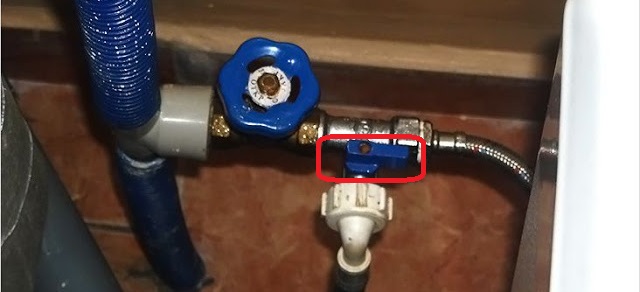
- disconnect the appliance from the water supply;
- cover the floor around the machine with unnecessary rags or oilcloth;
- prepare a shallow basin to collect the liquid;
- open the technical hatch door, behind which the waste filter is hidden;
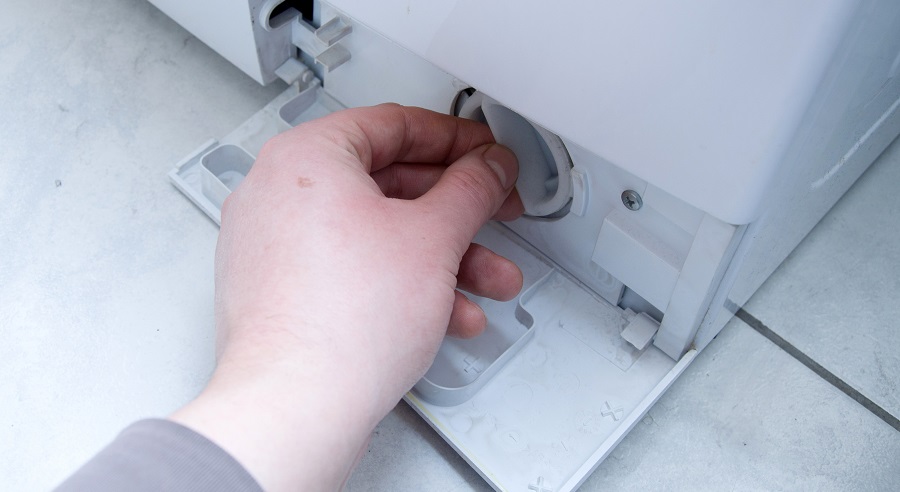
- Tilt the washing machine back so that the bottom is raised 3-5 cm from the floor;
- Place a basin under the machine where the filter is located;
- first unscrew the "trash can" half a turn, collect the water;
- remove the coil completely.
The debris filter on most AEG models is located in the lower right corner of the housing.
Unscrew the filter element clockwise. After a few turns, the coil can be removed from the machine. Remove the "trash can" carefully, as water may spray out of the opening under a strong pressure.
Next, wash the filter in warm water, removing any dirt, tangled threads, and hair. If the coil is limescale-covered, soak it in a citric acid solution for several hours. Do not immerse the filter in boiling water, as the high temperatures can easily deform the plastic.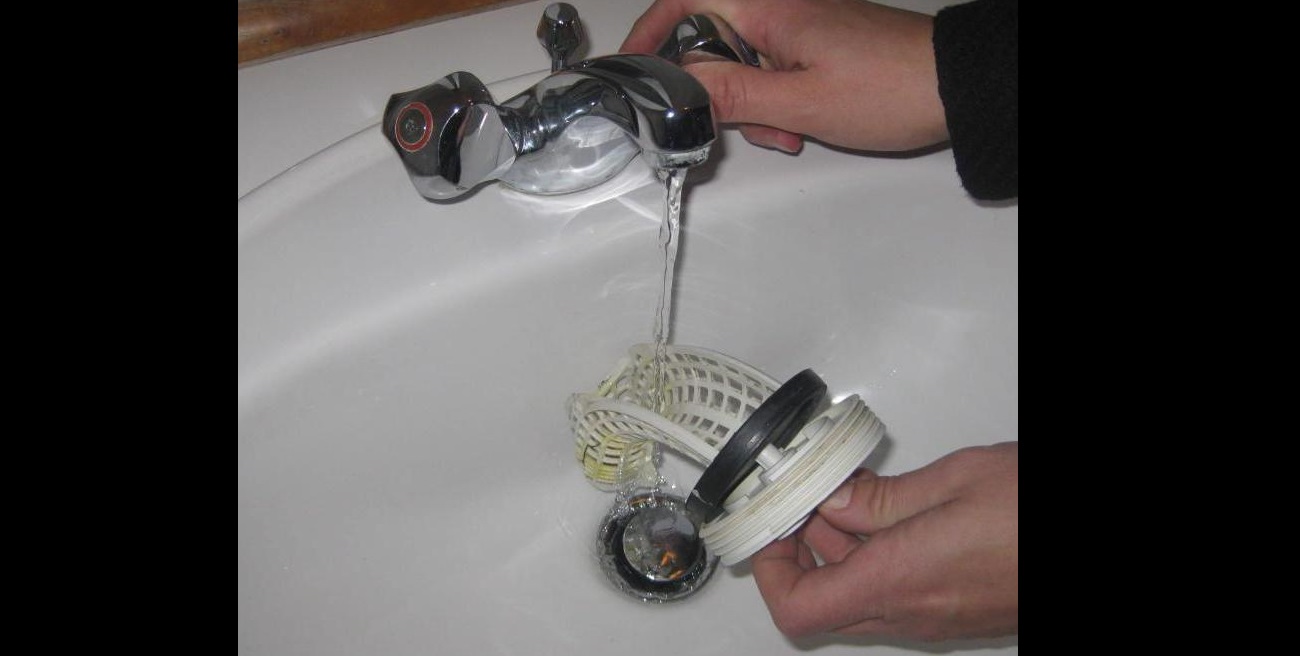
Be sure to clean not only the filter but also its mounting area. Shine a flashlight into the hole and remove any foreign objects (coins, matches, etc. are often found there). Wipe the walls with a damp cloth.
Afterwards, you can screw the filter element back into place. The waste bin must be installed level to prevent future leaks. If this cleaning doesn't help, you'll need to check the drain pump.
How to remove the pump for inspection?
The pump in the washing machine is designed to pump waste water from the tank into the sewer. A broken pump could easily be the cause of a non-functioning drain. You can diagnose and repair the component yourself. We'll tell you how.
First, remove the pump from the machine. The pump on AEG washing machines can be accessed through the bottom. A wrench and screwdriver will be helpful. Also, prepare a small basin to collect the water. The rest of the procedure is as follows:
- disconnect the washing machine from the power supply and communications;
- unscrew the trash filter (how to do this has already been described);
- Place the washing machine on its left side, having first covered the floor with a blanket;
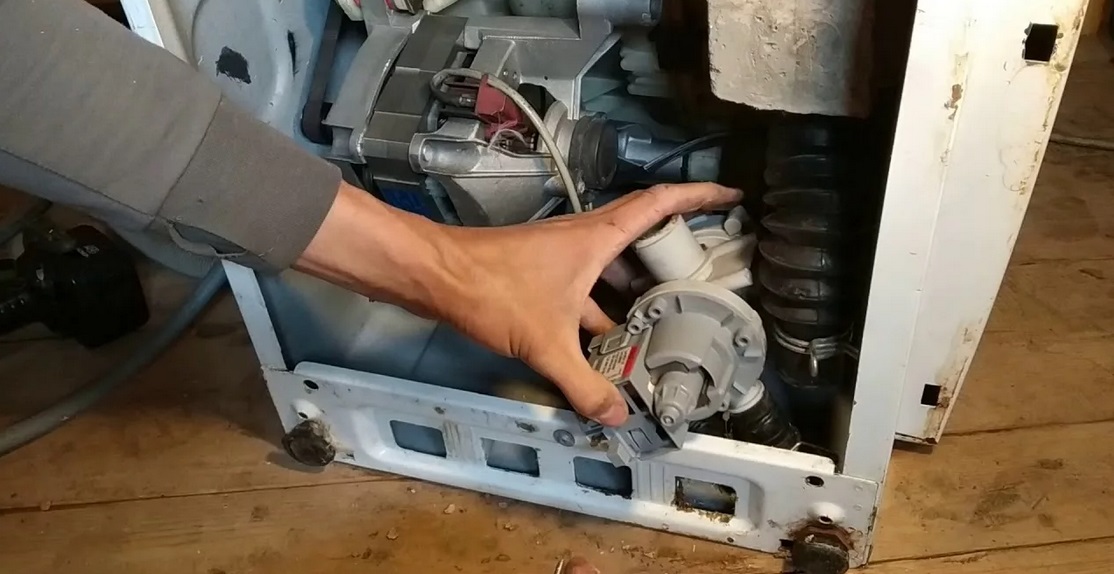
- unscrew the bolt securing the pump;
- disconnect all wires and pipes connected to the pump;
- turn the pump from right to left while pushing it inward;
- remove the drain pump from the machine;
- Place the pump on a flat, dry surface.
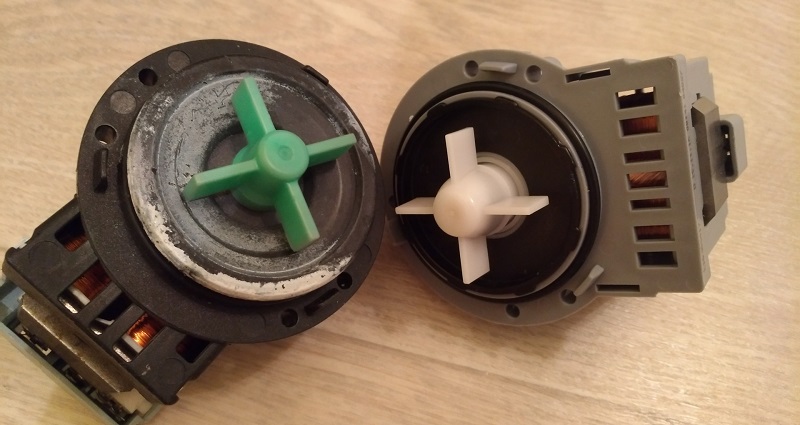
Before disassembling, be sure to unplug the washing machine. Lay the machine on its left side; if you lay it on the right, you risk flooding the control board with water from the detergent drawer. Now let's look at how to test the drain pump at home.
Let's take a look inside the pump
The drain pump often becomes clogged with debris, causing it to stop working. Cleaning it can help revive it. Specifically, you'll need to clean the impeller.
The impeller is hidden inside the pump. To access it, you'll need to remove the screws and split the pump in half. By removing the housing, you'll see the rotating part with the blades.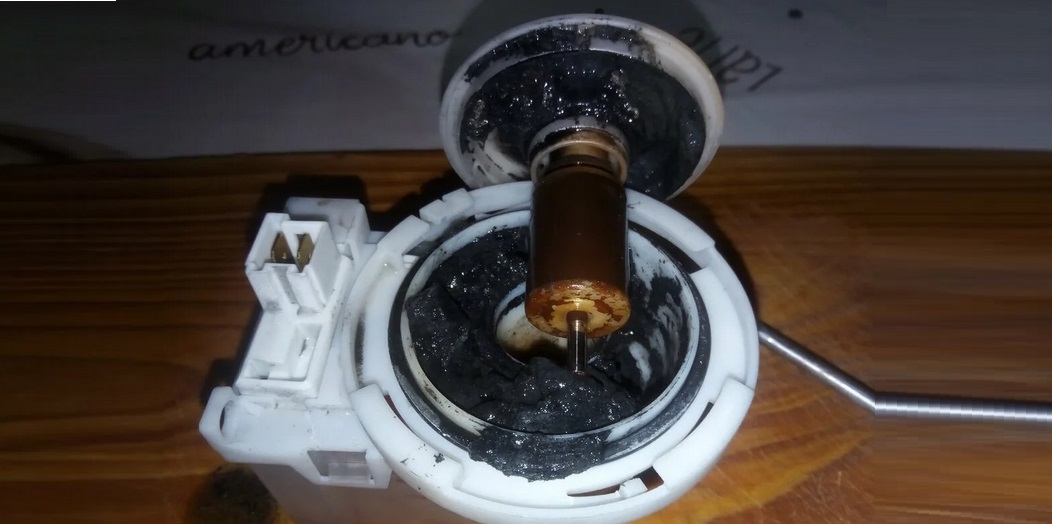
The impeller shouldn't move too freely. If the "head" slips off its axis, it needs to be secured tightly. If the blades are locked and won't turn, the part will need to be cleaned. Remove all debris, threads, and hair from the impeller. The pump volute should also be cleaned while you're at it.
It is recommended to perform a comprehensive cleaning of AEG washing machine components at least once a year.
After cleaning, reassemble the drain pump and replace it. Next, run a test wash. Observe the machine's operation. If the water is successfully pumped into the drain, then the problem was indeed caused by a clogged pump.
Let's check the pump with a tester
If you don't find any debris after disassembling the pump, it's best to immediately check the part with a specialized device – a multimeter. A tester will help determine if the pump is working properly. The procedure is as follows:
- switch the multimeter to resistance measurement mode;
- apply the tester probes to the pump contacts;
- Compare the obtained readings with the standard ones.
Normally, the resistance between the drain pump contacts should be 150-260 ohms. If the device reads 0, there is a short circuit in the circuit. If the reading is less than 140 ohms, there may be a broken wire. Repairing a component with such damage is impractical; it is much easier and cheaper to buy a new pump.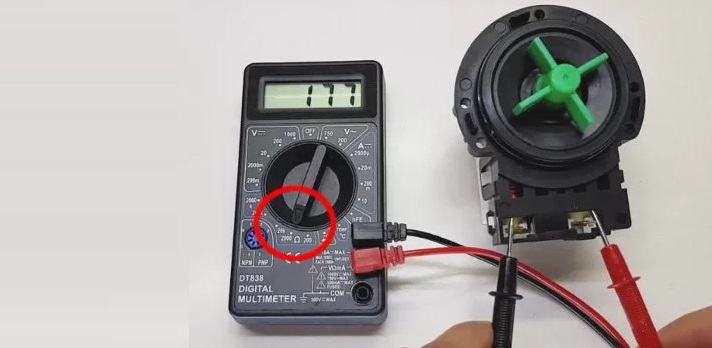
When purchasing a new pump, consider the model and serial number of your AEG washing machine. You can also take the dismantled pump with you and show it to the store clerk as a sample. This will help you choose the right components.
The new pump is installed in reverse order. The pump is secured to the housing with bolts, after which the machine is raised onto its feet. Next, a test wash is run with the drum empty.
A clogged hose connecting the tank to the pump could be the reason why the machine isn't draining. If the multimeter shows the pump is working properly, loosen the clamps and disconnect the hose. The clog is likely located there.
If cleaning or replacing drainage system components doesn't help, you'll need to check the main control module. It's best to entrust diagnostics and board repair to a service center. Without the necessary knowledge, you could only damage the electronics.
Interesting:

Readers' comments
Headings
Washing machine repair




For buyers




For users


Dishwasher




Add a comment