
The Ardo washing machine fills with water but does not wash.
 Ardo washing machines, especially those that have been in service for 2-3 years, occasionally start acting up. Sometimes they freeze, reset their settings, or forget to spin. Often, the washing machine turns on, fills with water, but doesn't wash—it sits with a full drum. If there are problems with the system starting, rebooting doesn't always help, requiring troubleshooting and troubleshooting. We'll take a detailed look at how to diagnose and repair problems at home.
Common Ardo Problems
An Ardo washing machine can stop with a full tank at any time. This problem occurs in both newly purchased models and those that have been in use for a while.Problems with program launching can be caused by improper equipment installation, improper operating conditions, and normal wear and tear of parts. It all depends on the brand of the washing machine, the situation and the existing “symptoms”.
Modern Ardo washing machines are capable of independently detecting faults thanks to a self-diagnostic system.
Typically, braking before starting signals problems in four places:
- drive belt;
- electric motor;
- drum;
- control board.
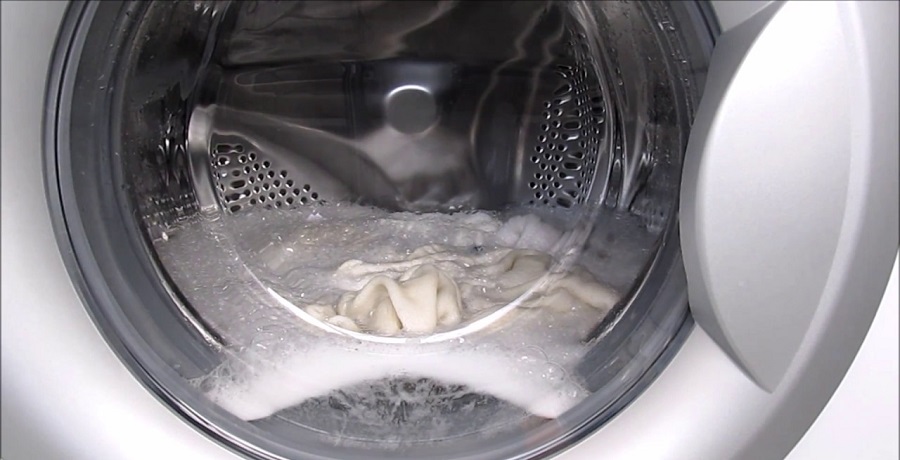
It's practically impossible to immediately pinpoint the problem. The only solution is a self-diagnostic system, which automatically scans the components and narrows the search by error code. Without this feature, you'll have to operate blindly—checking each possible failure point one by one.
The drive mechanism is broken
Problems starting an Ardo washing machine after successfully filling with water are often caused by a faulty drive. More specifically, a drive belt that has slipped off the pulley. Without it, the motor's speed isn't transmitted to the spindle: the drum remains stationary, and washing doesn't begin. The main cause of belt failure is periodic overloading of the drum. Constantly overloading the machine with too much laundry causes the rubber to wear out, break, and fall off. Natural wear and tear or a manufacturing defect can also cause this.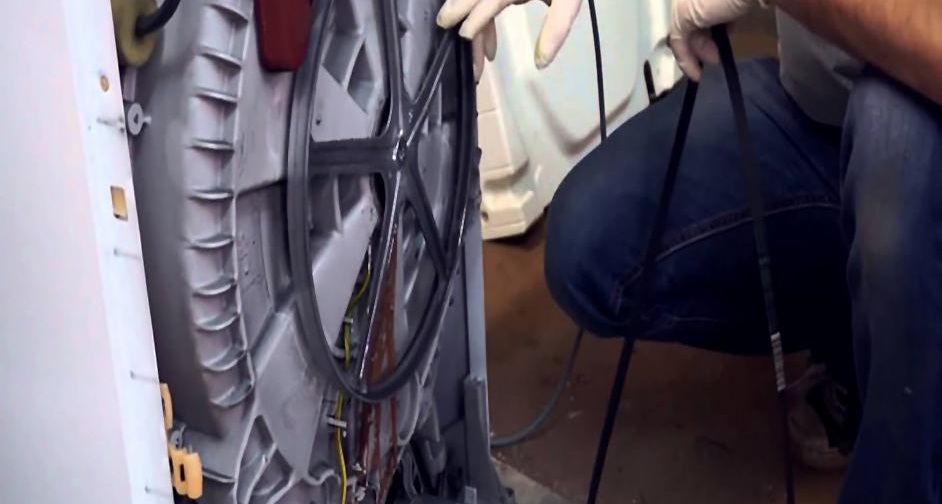
To confirm the diagnosis, you need to inspect the drive yourself. On front-mounted Ardos, it's located at the rear, while on vertical Ardos, it's on the side. You can access the belt by loosening the panel-holding bolts with a screwdriver or drill. Remove the walls and examine the pulley wheel. If it's empty, the problem lies with the rubber.
A slipped belt must be inspected for cracks, tears and stretches. If the rubber band is torn or stretched, then replacement is indicated. The new "ring" is first placed on the engine pulley, then on the drum. The key is to rotate the wheel from right to left until the rubber "seats" in the grooves.
A foreign body is stuck in the tank
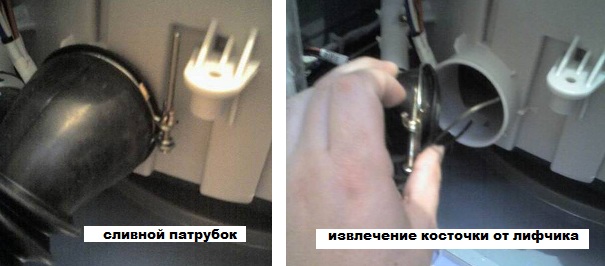
The washing machine stops after filling with water and when the drum is jammed. It's likely that a foreign object—a bra underwire, a coin, or keys—has gotten stuck in the drum and is blocking the spin cycle. The motor tries to spin up, humming, but to no avail—the machine stalls and won't start washing. If you suspect a jam, you should:
- activate the "Drain" program;
- After draining, disconnect the washing machine from the power supply;
- open the hatch door;
- try to spin the drum manually.
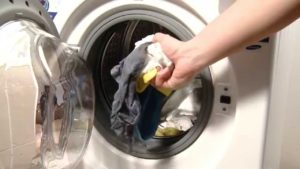
Before washing, check the pockets of the items you load into the drum!
If the drum gets stuck, the next step is simple: remove the top cover, tilt the machine backward, and remove the stuck object through the resulting gap. Another option is to remove the back panel, remove the heating element, and reach into the newly cleared hole to retrieve the stuck object.
The engine lost power
If the drive and drum are fine, then we'll need to move on to more complex components, such as the electric motor, which is difficult to diagnose and repair. The first of these is the electric motor. The logic is simple: if the washing machine doesn't spin up after filling with water, the motor is faulty.
The motor itself rarely breaks down. Typically, the problem lies in:
- overheating;
- worn brushes;
- peeling lamellas.
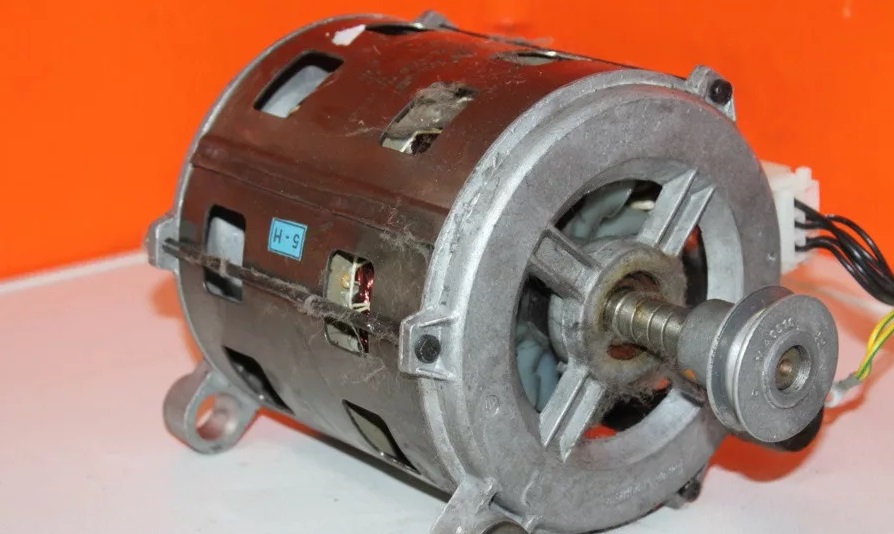
First, let's rule out the first option. The motor could overheat if the machine was turned on several times without stopping. No? Then let's move on to inspecting the brushes.
- We unscrew the back panel from the Ardo case.
- We free the engine from the drive belt, connected wires and sensors.
- We loosen the bolts securing the motor.
- We take out the engine and find plastic cases on the sides of its body.
- We disconnect the terminals from the cases.
- We open the brushes, clamp the spring and take out the carbon rods.
Do not run several cycles in a row without stopping - the Ardo motor may overheat!
If the carbon tips are worn and less than 1.5-2 cm long, they need to be replaced. Purchase two identical brushes—the rods are always replaced in pairs, even if one is intact. When attaching new carbon tips, ensure the worn end is positioned correctly. Detached fins are "burrs," or loose metal plates. To repair them, clean the motor with fine sandpaper. Apply the sandpaper to the housing and carefully polish the surface.
The control module is to blame
Very rarely, problems with starting an Ardo washing machine are caused by a faulty control board. The module may “freeze”, not receive information from the pressure switch about the end of filling, or not transmit a command to turn on the engine. As a result, the washing machine will stop with a full tank.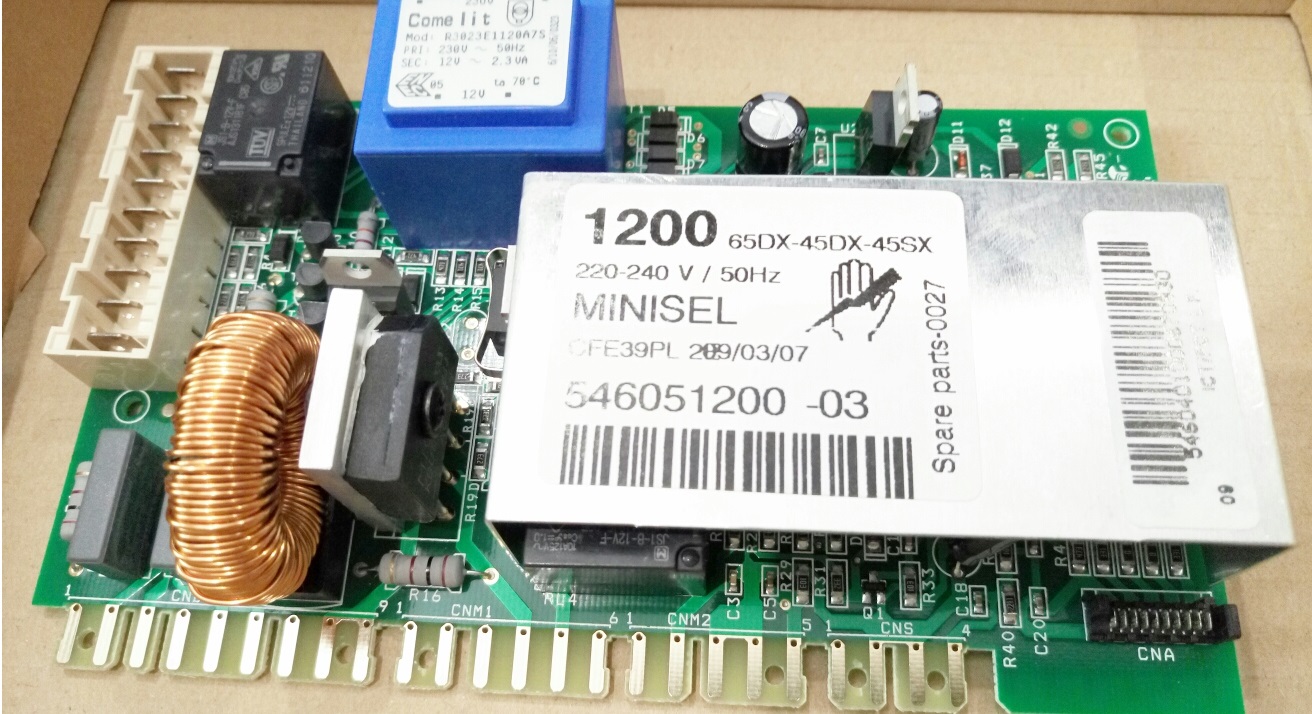
You should only suspect a faulty module after checking all other possible issues. However, we strongly advise against attempting to diagnose or repair the board yourself! Only a professional repairman should handle electronics; otherwise, it's easy to worsen the problem, even to the point of death. Only a specialist can test each component of the unit and determine its condition.
If the washing machine fills with water but doesn't start washing, the problem lies with the motor, drive belt, drum, or circuit board. Almost all possible problems can be identified and fixed independently, with the exception of the module, which should be checked by a specialist.
Interesting:


Readers' comments
Headings
Washing machine repair




For buyers




For users


Dishwasher




Add a comment