
The Ardo washing machine is not filling with water.
 It's easy to tell if your washing machine isn't filling with water: just open the detergent drawer and look at the detergent. If the machine hums but the detergent remains dry, there's a problem with the water supply. Several issues can cause a problem with the water inlet, from a simple clog to a faulty control board. You can fix the problem yourself. The manufacturer's step-by-step instructions and recommendations will help.
Let's study typical problems
There are many reasons why a washing machine stops filling. The most obvious are a disconnected central water supply or a closed tap, while the most expensive repair is a broken control board. But there are also common problems that most often lead to a dry machine. These typically involve problems with the inlet valve, filter, pressure switch, pump, and electronic module.
- The inlet valve is broken. This component is responsible for supplying water to the machine. After the program starts, the valve membrane is triggered, the mechanism opens, and the dispenser begins. If it breaks, the algorithm is disrupted because the "door" remains closed. To check the device's functionality, apply 220V power to it. A functioning device will short-circuit and a click will be heard, while a faulty one will remain silent. In the latter case, the valve must be replaced; it cannot be repaired.
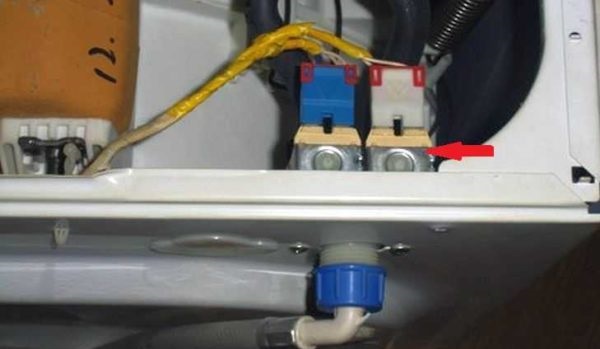
- The inlet filter is clogged. For safety reasons, the machine filters the water entering the drum, preventing impurities and dirt from getting in. Naturally, the bulk of the trapped debris remains on the filter mesh, obstructing the water flow. The washing machine tries to fill, buzzing, but nothing happens—the hose is clogged.
Typical faults that prevent the Ardo from dialing include problems with the pressure switch, inlet valve, filter, board, and pump.
- The pressure switch has failed. The level sensor is supposed to transmit information about the tank's fullness to the control board, but when it malfunctions, its operation is inaccurate. For example, it may indicate sufficient water even when the drum is completely empty. In response, the module will stop dispensing, leaving the machine "dry." There's only one solution: check the pressure switch: disconnect the tube from the housing, blow into it, and listen. A clicking sound will indicate the device is working properly; a lack of clicking sounds indicates a malfunction.
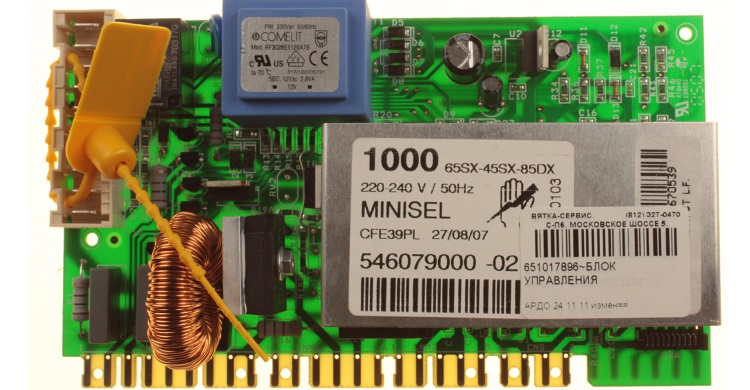
- The control board burned out. The problem may be in the "brain"—damaged triacs or circuits prevent the module from processing the information and issuing the flooding command. It is necessary to carry out a comprehensive diagnosis of the unit, calling each element of the systemBy the way, checking and repairing electronics on an Ardo is a rather risky and labor-intensive task. It's best to entrust this task to service center specialists.
- The pump has failed. Before each cycle, the machine pumps out any remaining water from the bottom of the tank to check the pump's functionality. If the automatic check reveals that the drain is not working, the circuit board shuts down for safety reasons, and the program ends before it even begins.
The list of typical causes is often supplemented by rare malfunctions. For example, sometimes the washing machine fails to fill due to a damaged wire connecting the pressure switch to the drum. In other cases, the door locking device is at fault: the door lock fails to engage due to a loose door, causing the machine to stop filling.
Let's rule out trivial problems
There is no need to panic – it is possible that the washing machine is not filling with water due to the user’s carelessness. First of all, we check whether there is a central water supply, whether the pressure is sufficient, and whether the tap on the pipe is open. We must pay close attention to the hatch door; it must fit tightly against the body, otherwise the locking mechanism will not operate and water will not fill. If there are no external problems, we proceed to diagnosing the machine. The main components of the filling system are checked in order from easiest to most difficult. First in line are the inlet valve and filters, and last are the pump and control board.
Before any repair work, it is necessary to de-energize Ardo and disconnect it from the water supply.
First, we'll tackle the inlet hose, especially if the machine makes an unusual humming noise when trying to fill with water. Simply loosen the clamp and disconnect the hose from the machine, then inspect, straighten, and rinse under the tap. If cleaning the hose doesn't help, move on to the inlet filter. This is a fine mesh that often becomes clogged with scale and dirt, preventing water from entering the machine. You can check its condition as follows: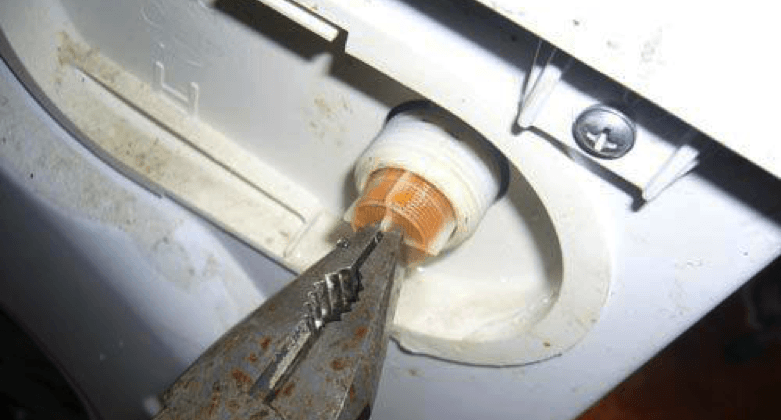
- detach the hose from the Ardo body;
- find the mesh installed next to the valve;
- Use pliers to grab the protruding part of the mesh;
- pull the filter towards you (there is no need to unscrew it);
- clean the mesh, if necessary, soak it in a lemon solution;
- return the filter to its seat.
It's also worth checking the coarse filter right away—it's built into the water pipe and located behind the faucet. This attachment is responsible for the primary filtration of the water, so the lion's share of impurities and debris settles on it. To clean it, use one wrench to secure the joint and use a second to loosen the nut holding the flywheel. Be sure to place a basin nearby, as loosening the fastener will cause the stream to splash onto the floor. There's no need to remove the strainer—the powerful stream will remove all impurities. The main thing is to return everything to its proper place.
Filling system and heating element
Experience has shown that Ardo washing machines, like other modern automatic machines, have trouble filling with water due to problems with the inlet valve. These machines are not repairable, and if they malfunction, they are simply replaced with new ones. The replacement procedure is quite simple, so even a novice can handle it. To replace the valve, follow these steps:
- check that the washing machine is disconnected from the utilities;
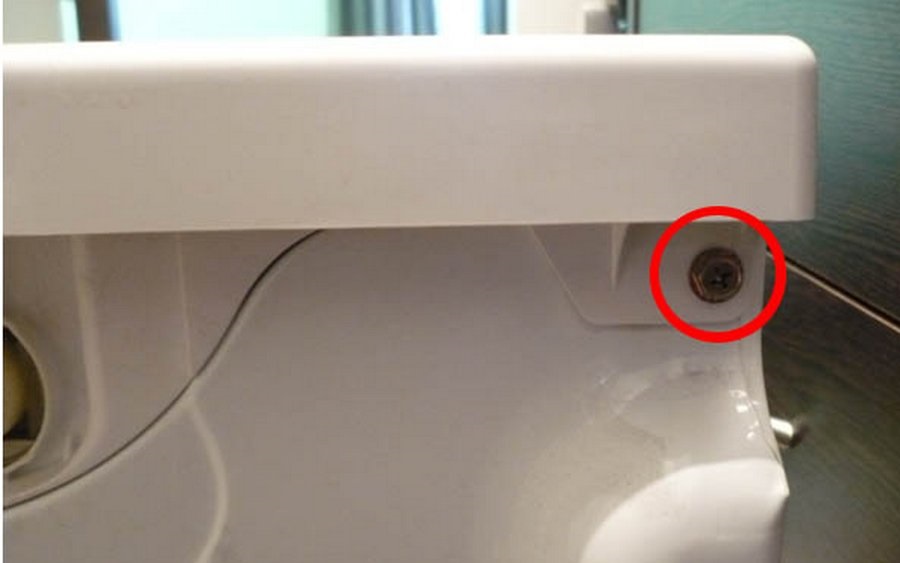
- remove the top cover (what to do for this depends on the model of the machine: usually you need to unscrew the fixing bolts from the back panel and move the “top” back, lifting it up);
- detach the drain hose from the machine body (any water remaining in the hose must be drained);
- find the inlet valve;
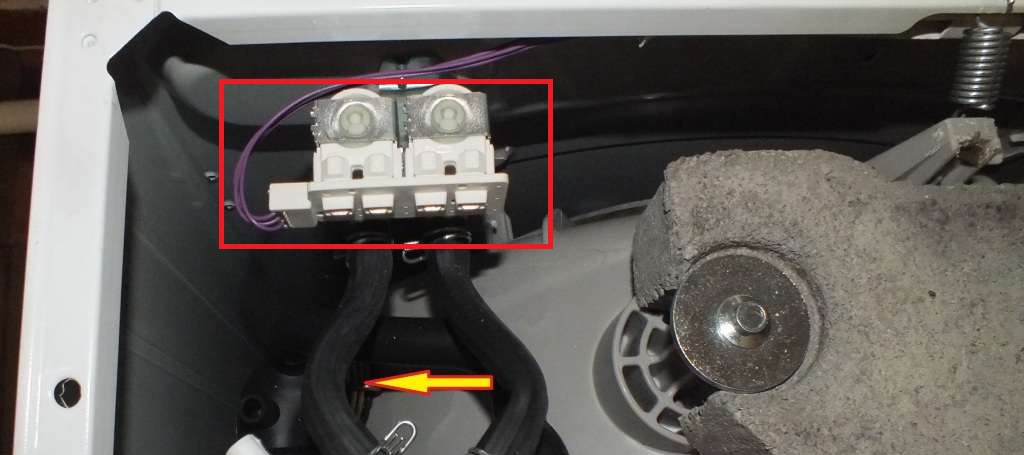
- take a photo of the wiring connected to the valve and disconnect the contacts;
- turn off the connected pipes (remember that there is still water in them);
- loosen the retaining bolt;
- remove the valve;
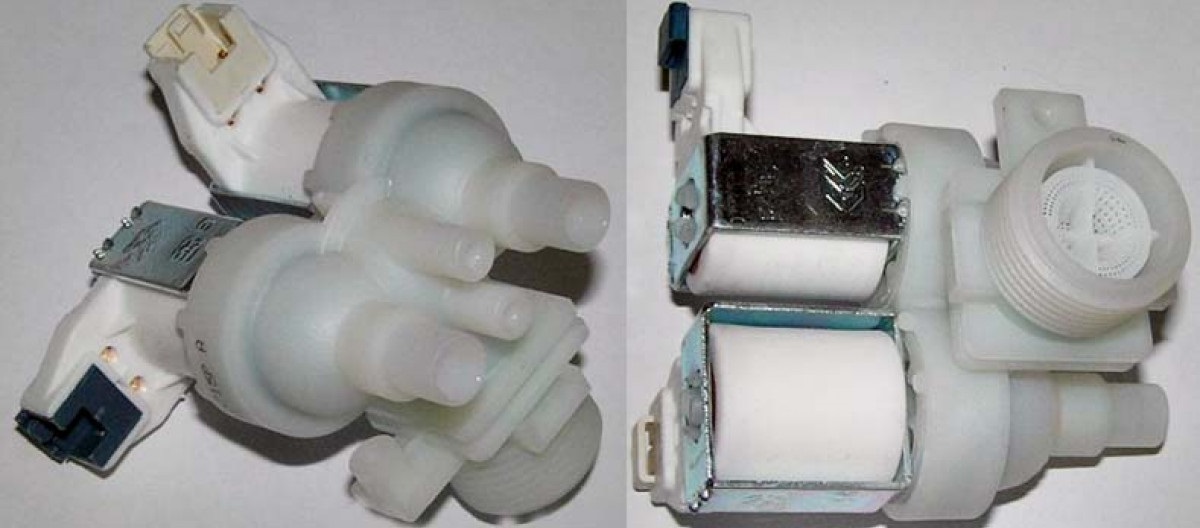
- install a new valve in the grooves and secure it with a screw;
- using the photo as a guide, connect the wiring and pipes;
- return the cover to the Ardo body;
- secure the inlet hose;
- connect the washing machine to the utilities;
- Run a test cycle and check if the filling is correct.
When searching for replacement parts, you need to refer to the serial number of your existing Ardo washing machine.
Common problems with Ardo water filling systems include heating element malfunctions. Typically, this is caused by a thick layer of scale, which causes the unit to overheat and fail. The heating element must be removed, tested with a multimeter, and, if faulty, replaced with a new one. The procedure is as follows:
- remove the top cover;
- detach the back panel from the case;
- tighten the drive belt;
- find the heating element – a metal bar under the tank with many wires connected to it;
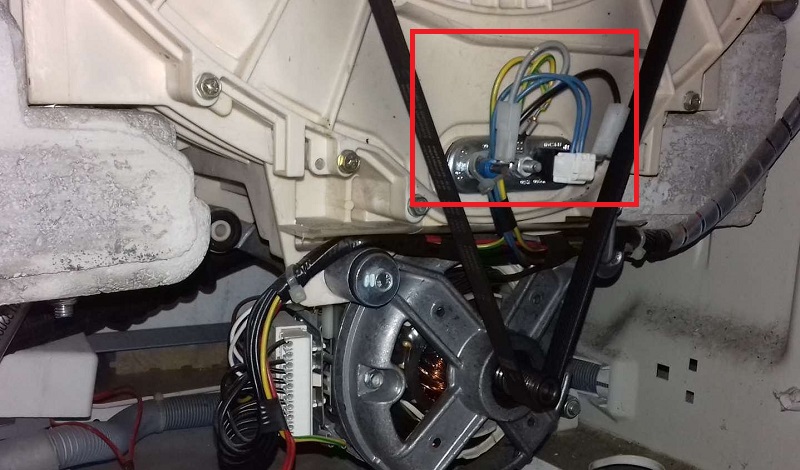
- take a photo of the "chip" to make it easier to reconnect;
- disconnect the connected wiring;
- unscrew the bolt on the heating element;
- After rocking, remove the heater.
We test the removed heater with a multimeter. If a fault is detected, repair won't help—only replacement. Here's what to do:
- treat the seal on the heating element with dishwashing gel;
- place the heater in the mounting location;
- secure the device with a nut;
- connect the wiring, thermistor.
If everything is fine with the heating element, then there is another option - problems with the electronic lock. It is possible that the door locking mechanism has failed and does not work even when the door is tightly closed. To check the device, disconnect the Ardo from the power supply and inspect the hatch door. You'll need to test the circuit breaker with a multimeter, and if it's faulty, repair or replace it. Figuring out why your Ardo washing machine isn't filling with water isn't difficult. The key is to proceed consistently, remember safety precautions, and if you discover any serious issues, contact a professional.
Interesting:



1 reader comment
Add a comment
Headings
Washing machine repair




For buyers




For users


Dishwasher




Thank you, everything worked out. The water intake screens were clogged.