
The Ardo washing machine fills with water and drains it immediately.
 The modern Ardo washing machine is quite reliable, but it does have its share of common problems. One of them is a problematic drainage system. More precisely, it's a situation where the machine can't "hold" the water in the drum: it fills and then immediately drains. This cycle makes it impossible to start a wash; the machine runs continuously and hums, or displays an error message and freezes. Diagnostics are unavoidable—it's necessary to find the root cause and fix it.
Let's determine the range of possible breakdowns
It's impossible to miss that the washing machine is constantly filling and draining water. The cycle won't complete at the usual time, the machine will hum incessantly, and the laundry in the drum will remain dirty. Washing is out of the question—everything from the water supply goes straight down the drain. The following factors can cause this behavior:
- the drain hose is not connected correctly;
- the internal or central sewerage system is clogged;
- the drain pump failed;
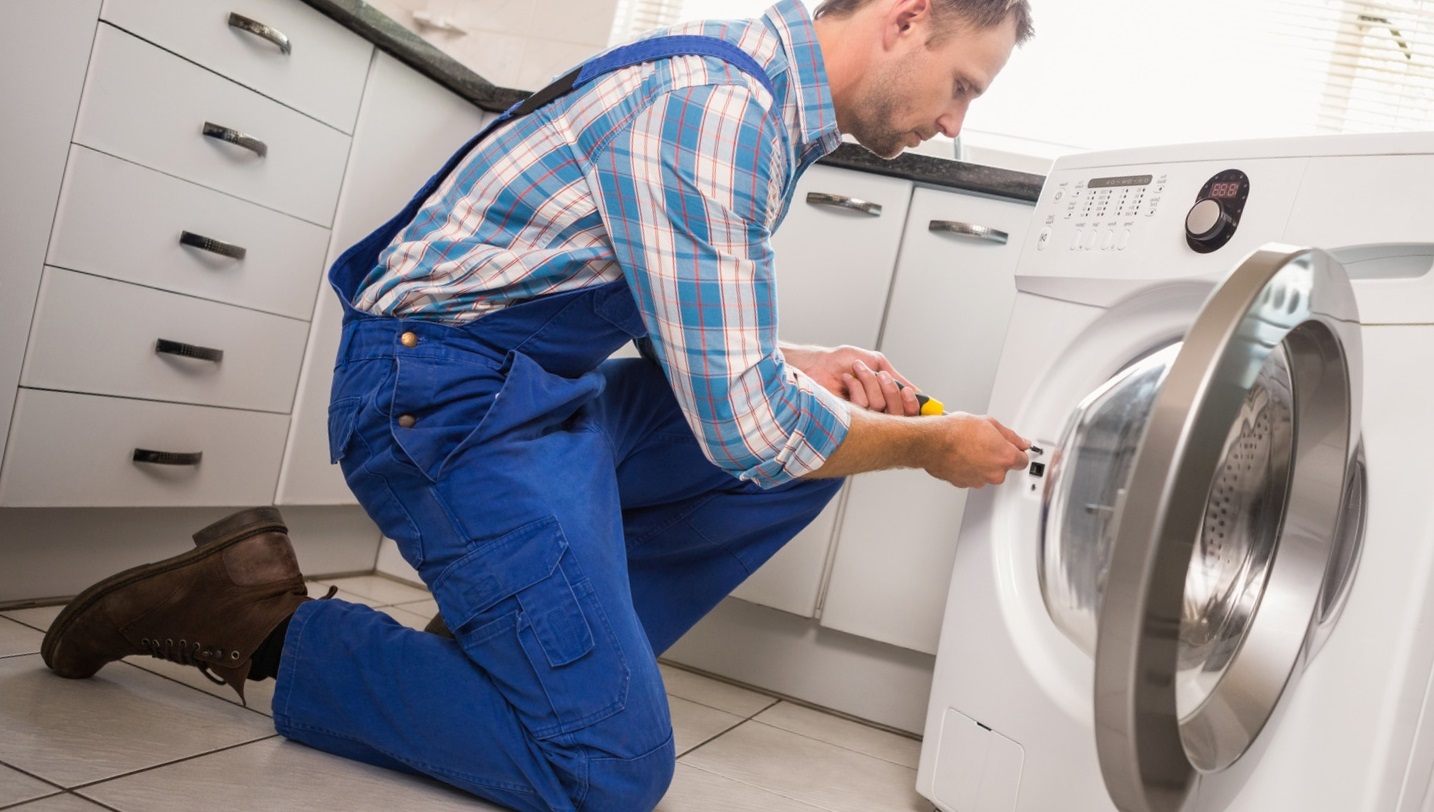
- the pressure switch is not working correctly;
- the control board is frozen or broken.
Normally, the filling time of the Ardo washing machine tank should not exceed 3-5 minutes, depending on the capacity of the model.
You can't ignore a persistent drain—the problem won't resolve itself. Furthermore, using an Ardo washing machine with these "symptoms" is prohibited. Firstly, uncontrolled filling and emptying of the drum can cause a severe leak and short circuit. Secondly, all drainage components, including valves, pump, and hoses, are severely damaged.
Is the hose connected properly?
A newly installed Ardo washer often floods and immediately drains. If the machine was recently moved to a new location or is being used for the first time after purchase, the problem is most likely with the drain hose. The fact is that mistakes are often made during installation of the drainage sleeve, leading to uncontrolled filling and draining.
The drain hose loop should be located at least 50-60 cm from the floor surface.
The drain hose can be checked in two ways:
- visual inspection;
- test cycle.
It's best to resort to the first option and carefully inspect the hose, or more precisely, measure its height. Manufacturers rightly state in their instructions that the hose should be secured at least 50-60 cm above the floor. Only then will it rise above the tank, and the pressure differential will prevent liquid from leaking out. Otherwise, the "siphon effect" doesn't work, the water drains into the sewer, and the pressure switch detects the dropped water level and begins flooding. This "whirlwind" can last for a long time, until someone intervenes or the power goes out.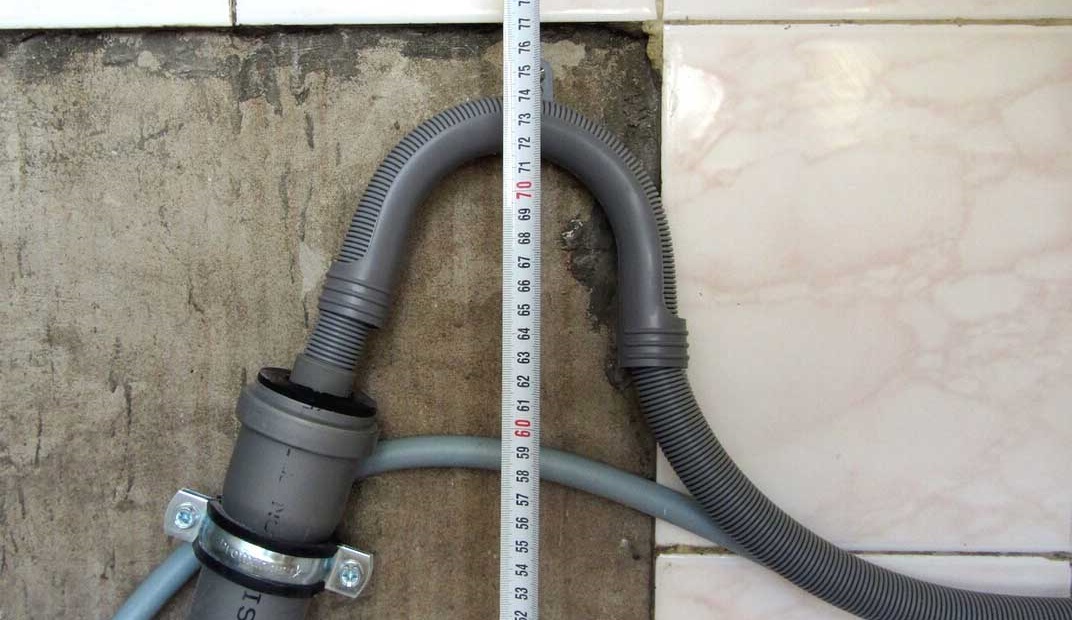
If inspecting the hose is problematic, another diagnostic option is to run a test cycle. Turn on any mode and evaluate the symptoms. If there's a problem with the drain hose, the machine will begin draining as soon as water begins to flow into the drum. There's no dilemma about what to do to fix the problem. The only solution is to adjust the hose position. Simply open the manufacturer's instructions and find the section on the required height for the drain hose. A special plastic loop included with the Ardo can help with this adjustment. Attach the hook to the designated spot on the back panel and insert the corrugated hose through it.
The lint filter is clogged
Sometimes water drains randomly due to blockages. The accumulation of dirt in the pipes, on the impeller blades and in the pump leads to the latter's erratic operation - a malfunction occurs, and the washing machine unintentionally begins emptying the drum. The pressure switch responds by starting a new set, and the process repeats. Repairs are needed, or more precisely, drain cleaning. Drain diagnostics follow a specific order. First on the list is the debris filter. To check and clean it, you need to:
- disconnect Ardo from communications;
- detach the technical hatch door from the body;
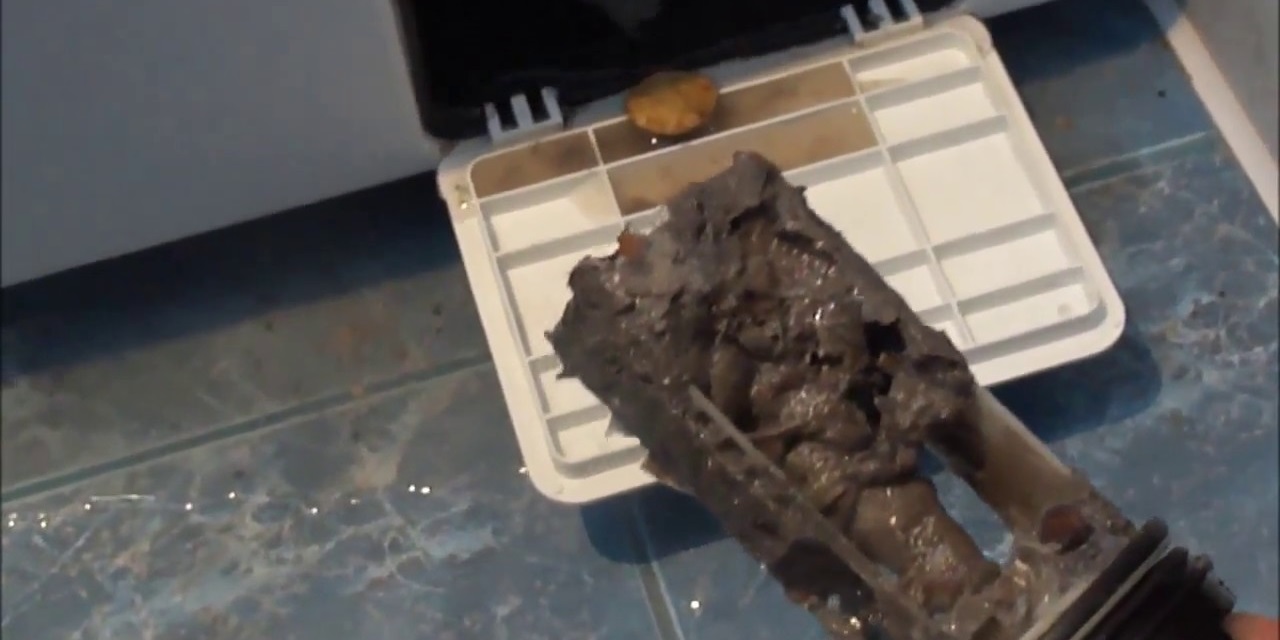
- grab the protruding part of the filter and carefully unscrew it from the “socket”;
When you unscrew the drain filter, water will flow out of the machine!
- inspect the nozzle, if necessary, rinse and soak it in a lemon solution.
The second step is to clean the hole cleared of the filter. Then, shine a flashlight into the hole and locate the impeller. Its blades should spin freely; otherwise, you'll have to remove the pump and clean away any dirt stuck to the elements. Another option is to lay the Ardo washing machine on its side and inspect the drain through the bottom. This is quicker and more convenient, as you don't have to operate blindly or by touch.
The pressure switch is dirty or not working
If your washing machine has been washing flawlessly for a long time and suddenly starts overfilling and overflowing, the pressure switch is suspect. The level sensor monitors the tank's fullness, sending commands to the circuit board to start and stop filling. If the relay fails, it won't work properly; for example, it won't detect an overflow, continuing to fill with liters. The machine's safety system will prevent leaks by activating the drain. The level sensor can fail for several reasons:
- the contacts are oxidized;
- the terminals have come loose;
- the contacts did not close correctly;
- the membrane has lost the necessary tightness;
- the nipple tube is cracked or clogged.
Diagnosis of the pressure switch is necessary immediately, otherwise there is a high risk of leakage with subsequent flooding of the premises.. The first thing you need to do is turn off the power to the washing machine and turn off the water supply, and then begin a comprehensive check of the sensor. The instructions are as follows: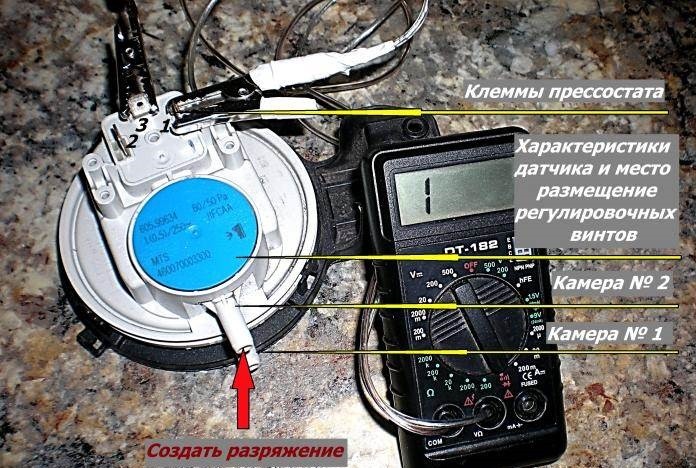
- unscrew the bolts holding the top cover;
- push the cover forward, press the latches and remove the panel;
- find the pressure switch on the right wall;
- release the pressure switch from the fixing bolts;
- remove the sensor together with the tube.
Only original spare parts are purchased for replacement, taking into account the serial number of the Ardo model.
The next step is to inspect the sensor for blockages and damage. If necessary, flush the hose and clean any oxidized contacts. Next, find a tube that's the same size as the fitting and blow out the system. If you hear clicking sounds, everything is working properly.
Repairing a pressure switch isn't cost-effective; it's cheaper and quicker to buy a new one and replace the faulty one. Installation is easy: simply insert the sensor into the slots, secure it, and connect it. After all the steps, reassemble the machine and run a quick cycle. If the washing machine fills with water and starts washing, the problem is solved.
Interesting:



Readers' comments
Headings
Washing machine repair




For buyers




For users


Dishwasher




Add a comment